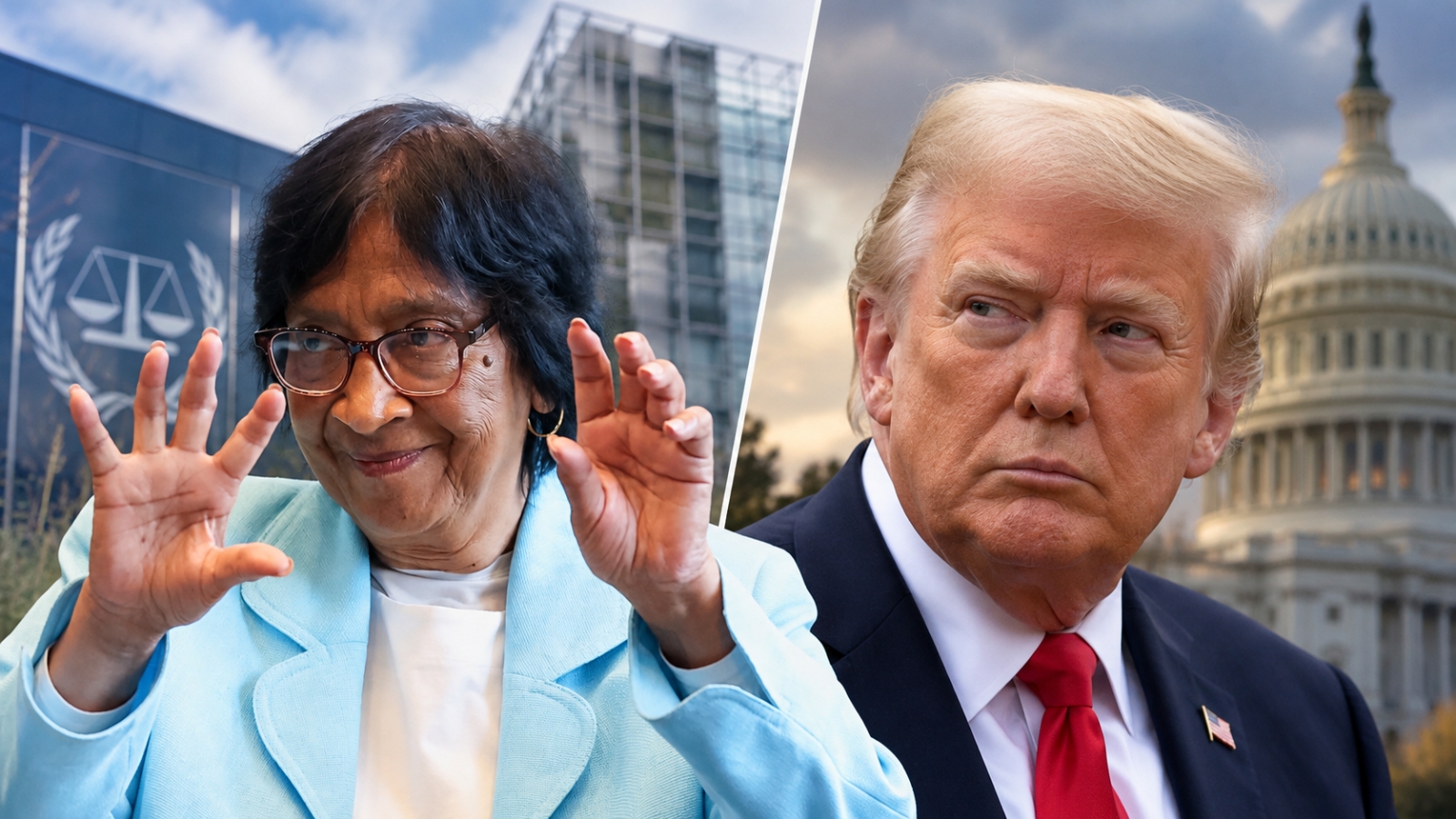
When South African jurist and former International Criminal Court judge Navi Pillay received the 2026 Nobel Peace Prize, Washington did not send congratulations. Instead, the White House hit back immediately. Within hours of the announcement, the United States slapped sweeping sanctions directly onto the ICC, setting off a massive diplomatic firestorm.
Donald Trump didn't hold back his contempt either. He reposted attacks claiming the Nobel committee had shamed itself beyond repair, branding Pillay an "unabashed hater of America and Israel". Secretary of State Marco Rubio made it clear that Washington would never allow an international tribunal to sit in judgment of American or allied personnel.
The Timing That Shocked the Global Stage
Nobody believed the simultaneous timing was an accident. Awarding the prestigious peace prize to a veteran human rights champion who previously scrutinized global war crimes served as a blatant, pointed rebuke to the Trump administration's aggressive foreign policy stance.
Pillay has spent decades prosecuting atrocities, serving as the UN High Commissioner for Human Rights and sitting on the ICC bench. To the Nobel Committee, honoring her was a way to defend international law under immense pressure. To Washington and its allies like Israel, however, her past investigative reports—particularly those addressing actions in Gaza—were deeply controversial and politically motivated.
The reaction from Israeli officials matched the fury coming from the US. Netanyahu labeled her a bigot, while the Israeli foreign ministry issued a blistering statement claiming Nazi propagandist Joseph Goebbels would be applauding her win. Pillay brushed off the severe rhetoric during interviews in Europe, calling the insults hurtful while standing firm on the necessity of impartial global justice.
Why the ICC Sanctions Matter
The newly enacted US measures target the operational backbone of the tribunal, though the Treasury hastily issued general licenses to carve out exemptions for telecommunications, software, and detainee transactions. Despite Washington’s threats to isolate the court further if member states don't rein it in, ICC officials have made it clear they won't back down.
The court currently counts 125 member countries under the Rome Statute. While major powers like the US and Turkey remain outside its jurisdiction, the standoff creates an impossible dilemma for European allies caught between American pressure and their legal commitments to international treaties.
Pillay herself isn't losing sleep over the political fallout. In a characteristically sharp moment during her acceptance celebrations, she joked with associates about sharing the prize with Trump if he clapped hard enough. Jokes aside, her victory cements a bitter ideological trench war over who gets to write the rules of global accountability.


