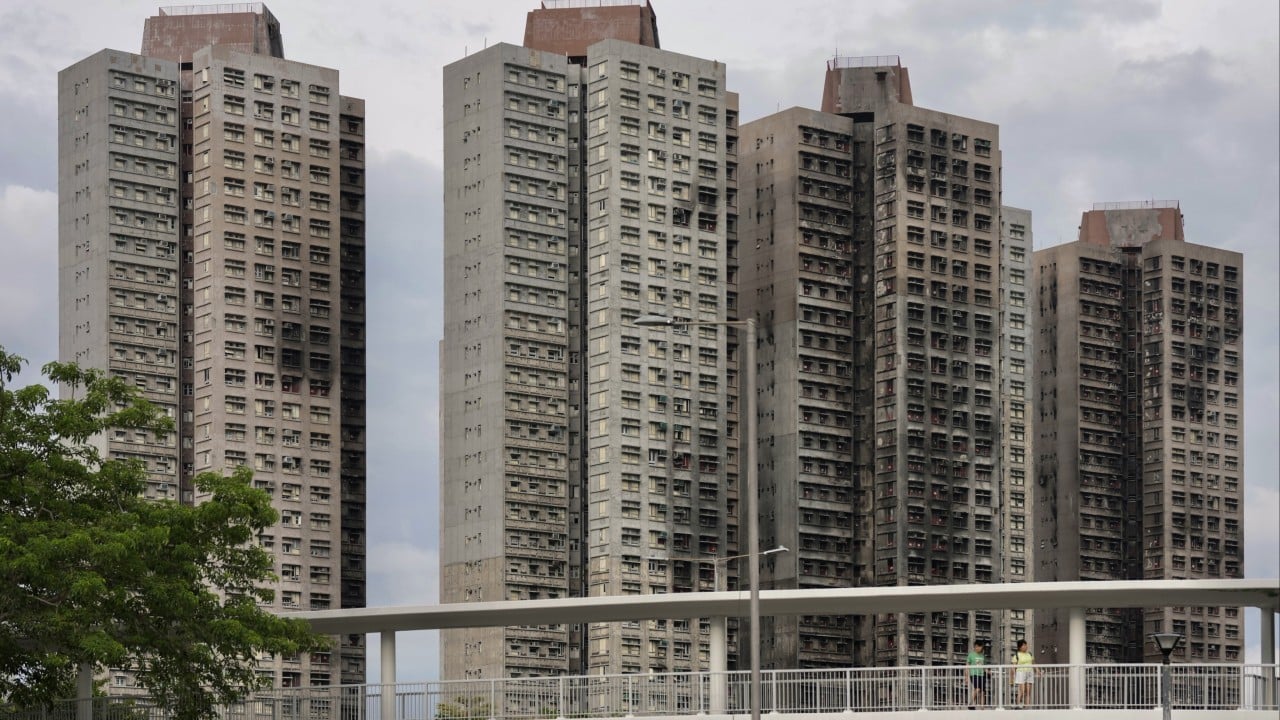
When a catastrophic fire claims 168 lives, you expect the regulatory hammer to drop hard and fast. You expect licenses to be revoked, companies liquidated, and accountability enforced across the board. Yet, months after the devastating inferno at Wang Fuk Court in Tai Po, reality paints a far more troubling picture. Fire service contractors tied to the tragedy are still active, fully registered, and positioning themselves for new contracts.
How is this even possible?
The loophole lies in a fragmented regulatory system where corporate paperwork often outweighs active accountability. Investigations into the Wang Fuk Court disaster exposed severe systemic failures, from flammable polyfoam boards to compromised safety nets. Despite the fallout, firms linked to the project continue operating. Lawmakers are raising red flags about public safety, but current legal frameworks leave doors wide open for these entities to keep trading.
The Reality of Accountability Gaps in Construction
The structural setup of building renovations in densely populated urban centers creates a maze of subcontracting. When projects go wrong, tracing direct blame feels like finding a needle in a haystack. Prime contractors pass duties down to specialized subcontractors, dividing oversight until responsibility evaporates entirely.
Investigations revealed that firms involved in major residential overhauls often operate with histories of minor safety infractions or low-ball bids that barely cover operating costs. When safety margins shrink to win competitive tenders, corners get cut.
- Scaffolding nets fail standard fire-retardant tests.
- Temporary material substitutions bypass official approvals.
- Fire suppression systems get deactivated to ease worker movement.
Yet, when catastrophe strikes, the corporate shell often survives. Directors shift positions, names change slightly, and business goes on.
Why Existing Laws Fail to Stop Active Operators
You would think that an ongoing judicial inquiry or criminal investigation would freeze a company's ability to secure public or private works. It doesn't. Regulatory bodies like the Buildings Department or housing authorities usually rely on formal convictions or explicit statutory disqualifications before pulling a license.
An active investigation or a mounting pile of litigation search results isn't always enough to trigger an automatic ban. This bureaucratic lag means companies facing heavy scrutiny can still pitch for new jobs. Property owners and management committees, often unaware of hidden corporate histories, evaluate bids based on cost and availability rather than past safety records.
Transparency is missing. Unless public registries clearly flag companies under investigation for major safety breaches, the market remains blind to ongoing risks.
What Needs to Change Right Now
Fixing this mess requires more than expressing shock during legislative council meetings. Real reform demands strict legislative teeth.
First, mandatory suspension clauses must apply the moment a contractor is linked to a fatal incident or major safety violation. Waiting for a multi-year inquiry to conclude before restricting business operations puts future residents at continuous risk.
Second, bidding transparency must improve. Property management committees need immediate access to unified databases showing active litigation, safety prosecution histories, and regulatory warnings tied to any contractor or sub-contractor.
Finally, pricing structures for safety-critical maintenance need an overhaul. When bidding practices squeeze profit margins below basic operating costs, corners become inevitable. Regulators must set strict price floors for safety audits and fire system maintenance to ensure firms cannot undercut their way into compromising human lives.
Check the background of any maintenance firm bidding on your building. Demand full disclosure of past project associations, and don't settle for the lowest bidder when safety is on the line.