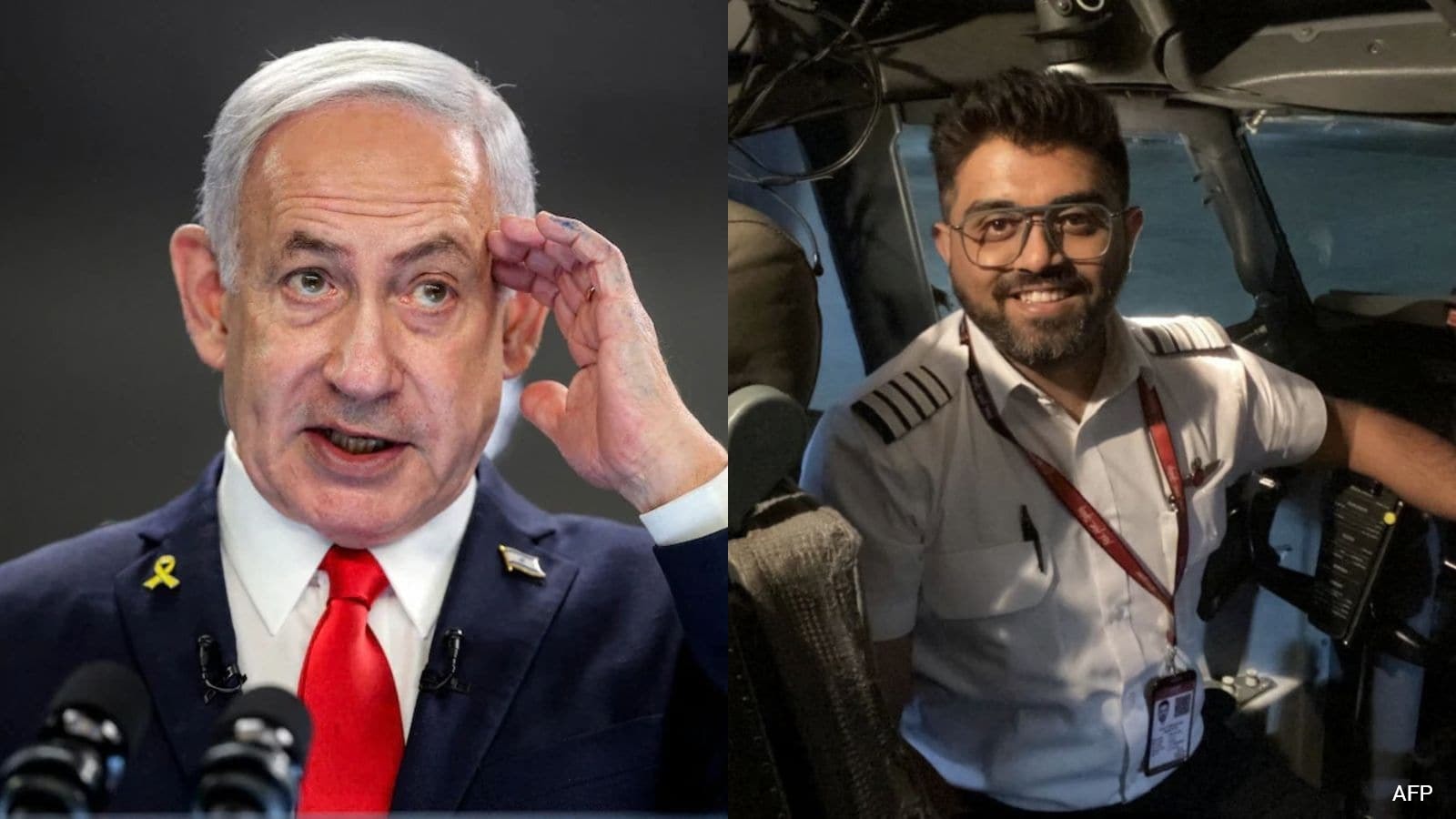
International relations during active regional conflict operate on structural incentives rather than pure altruism. When Israeli Prime Minister Benjamin Netanyahu extended a formal invitation to Indian pilot Captain Smit Machchhar and Prime Minister Narendra Modi to participate in Israel's Independence Day torch-lighting ceremony, the gesture functioned as a high-precision instrument of statecraft. Deconstructing this diplomatic maneuver reveals a calculated intersection of bilateral security integration, crisis narrative management, and domestic political timing.
The Anatomy of the Cockpit Crisis
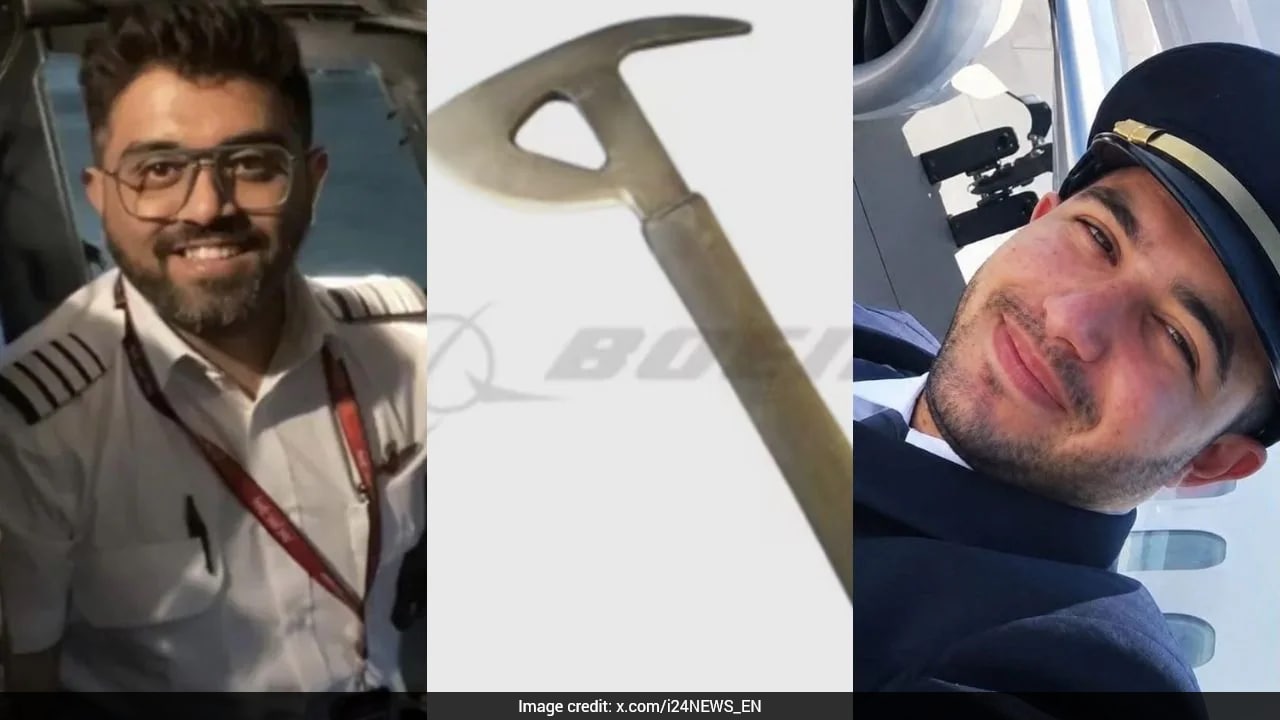
The underlying operational event involved a severe security breach aboard a flydubai flight en route to Tel Aviv, where the co-pilot launched a violent physical assault inside the flight deck. Captain Machchhar sustained a depressed skull fracture during the struggle yet maintained sufficient cognitive and physical function to unlock the cockpit door, enabling cabin crew and passengers to subdue the assailant before the aircraft executed an emergency landing in Saudi Arabia.
From an aviation safety perspective, the incident exposed a vulnerability in multi-crew cockpit trust models when vetting processes fail. The operational success depended entirely on individual resilience under acute physiological trauma. Machchhar's ability to retain motor control despite severe head trauma prevented a catastrophic hull loss, establishing a rare data point in modern civil aviation emergency management.
Strategic Calculus of State Recognition
State actors do not confer civilian honors without strategic returns. The decision by Israeli leadership to elevate an Indian national to a status typically reserved for domestic honorees serves three distinct structural purposes.
First, it reinforces the counter-terrorism axis between New Delhi and Jerusalem. Prime Minister Modi's response explicitly framed the incident within the context of bilateral cooperation against transnational threats. By publicizing this alignment, both governments leverage a shared threat perception narrative that resonates with domestic constituencies.
Second, the timing of the diplomatic outreach coincided with domestic electoral cycles in Israel. High-profile international endorsements and the projection of cross-border solidarity function as effective mechanisms for consolidating political base support during periods of prolonged regional instability.
Third, framing Machchhar as a "hero for the entire world" shifts the media narrative away from regional vulnerabilities toward universal themes of individual heroism, transcending localized geopolitical friction.
Structural Limitations and Diplomatic Friction
While the symbolic value of the recognition is high, it introduces diplomatic friction points across multilateral forums. The involvement of multiple jurisdictions—including the UAE, Saudi Arabia, Oman (the nationality of the co-pilot), India, and Israel—creates a complex web of legal and intelligence disclosures.
Official investigations have classified the event as a deliberate security breach, yet the geopolitical fallout requires careful calibration to avoid aggravating diplomatic relations within the Gulf Cooperation Council states where airlines like flydubai operate. Bilateral hero-making bypasses these multilateral complexities by personalizing the narrative around individual bravery rather than institutional failure.
Strategic Outlook
The convergence of aviation security anomalies and high-level diplomatic signaling demonstrates how modern crises are rapidly converted into strategic assets. Future risk mitigation in commercial aviation will likely demand enhanced psychological monitoring and physical cockpit barrier protocols, independent of the geopolitical narratives constructed around individual survival.
Captain Smit Machchhar recounts the cockpit attack
This interview footage provides primary source context regarding the physical dynamics of the cockpit intervention and the sequence of events during the flight.