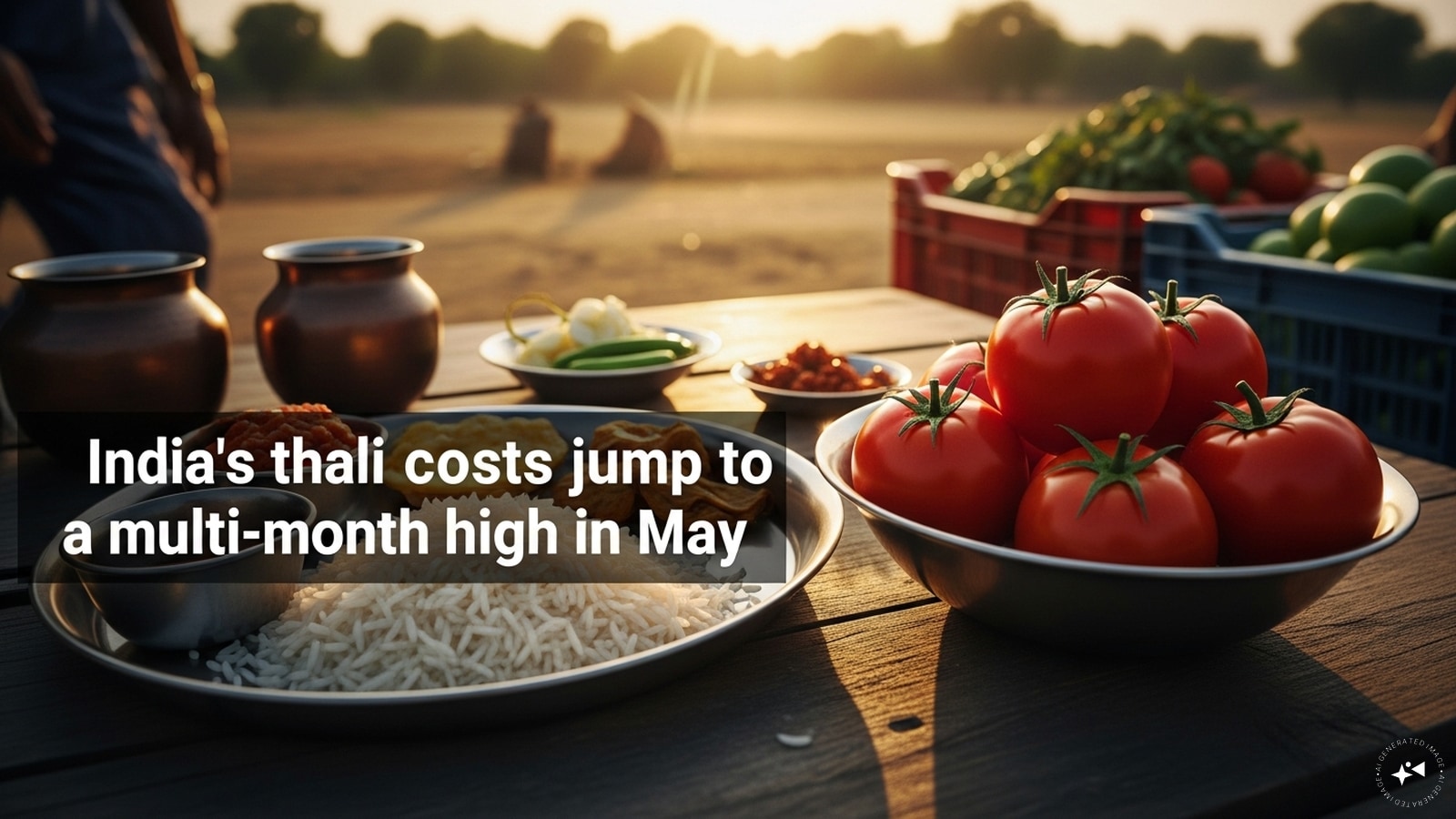
You sit down for dinner, look at your plate, and realize your casual weekday meal just cost a lot more to make than it did last month. If you live in India, you don't need an economist to tell you this. You feel it every time you go grocery shopping. The price of tomatoes, onions, and basic vegetables has gone completely wild.
This isn't a temporary blip. It's the new reality of India food inflation, driven by a brutal combination of extreme heatwaves and chaotic monsoon cycles. When temperatures cross 45 degrees Celsius across major agricultural belts, crops don't just slow down. They burn. The result is a direct hit to the household budget, turning the humble daily thali into a luxury item. You might also find this similar article useful: Inside the Civilian Uprising and Geopolitical Firestorm Over Pakistan Occupied Kashmir.
Understanding why this happens matters because the old ways of predicting food prices are broken. We're looking at a structural shift in how food grows, travels, and sells in a warming world.
The Tomato Crisis Is Just the Warning Shot
Tomatoes are highly sensitive to temperature spikes. When a heatwave hits states like Karnataka, Andhra Pradesh, and Maharashtra—the core of India's tomato production—the flowers drop off the plants before they can even turn into fruit. As extensively documented in detailed reports by The Guardian, the effects are significant.
Data from the Ministry of Consumer Affairs shows how fast this hits consumers. Retail prices regularly rocket from 20 to 30 rupees per kilogram to well over 100 rupees in a matter of weeks when early summer heatwaves compress the harvesting season.
Farmers face a double whammy. First, the heat dries out the soil and kills the yield. Then, the tomatoes that do survive rot at lightning speed during transit because India still lacks a comprehensive cold-chain infrastructure. By the time a truck gets from rural Kolar to a wholesale market in Delhi, half the cargo can be mush.
This isn't just about tomatoes. It's a template for what's happening to potatoes and onions too. These three vegetables form the absolute baseline of Indian cooking. When they spike, everything spikes.
Why Heatwaves Destroy More Than Just Crops
Extreme weather alters the entire supply chain. It changes how farmers think about risk.
Think about the sheer physical reality of farming in extreme heat. Field workers can't labor during peak afternoon hours without risking heatstroke. Irrigation costs skyrocket because water evaporates from reservoirs before it even hits the roots of the plants. Groundwater levels in Punjab, Haryana, and Madhya Pradesh are already dangerously low. Pumping water from deeper underground requires more electricity or diesel, driving up production costs before a single crop even reaches a market truck.
- Pest surges: Warmer winters and sudden heat spikes create perfect breeding conditions for whiteflies, thrips, and bollworms. Farmers end up spending a fortune on pesticides that often fail anyway.
- Quality degradation: High temperatures reduce the nutritional value and shelf life of crops. You pay more at the retail counter for vegetables that spoil within 48 hours of bringing them home.
- Labor shortages: Migrant workers are increasingly avoiding fields during intense heat spells, choosing construction jobs with shade or urban gig work instead.
The Reserve Bank of India keeps a hawk eye on food inflation because it makes up nearly half of the consumer price index basket. When climate shocks hit agriculture, it forces the central bank to keep interest rates high. That means your home loan or car loan stays expensive, all because it didn't rain at the right time in Maharashtra.
The Myth of the Normal Monsoon
We need to stop talking about a "normal monsoon" based purely on total rainfall numbers. The total volume of rain across a four-month season doesn't matter if half of it falls in three days, causing massive flash floods that wash away topsoil and drown young saplings.
In recent years, we've seen prolonged dry spells broken by extreme, destructive downpours. This volatility disrupts the crop cycle entirely. Farmers plant seeds based on traditional calendar dates, but the weather patterns don't respect those dates anymore. If the monsoon arrives late, the sowing is delayed. If it retreats late, it destroys the matured crop right before harvest.
Look at the onion supply shocks. When unseasonal rains hit parts of Nashik and Madhya Pradesh during the harvesting or storage phase, the onions rot in warehouses. India consumes roughly 15 million tonnes of onions annually. When storage facilities get flooded or compromised by high humidity, millions of households suffer the consequences for months.
How Market Speculation Makes Things Worse
Weather starts the fire, but market structures fan the flames. The Indian agricultural supply chain relies heavily on layers of middlemen, commission agents, and local traders.
When news hits that a heatwave has damaged 30% of the tomato crop in a major hub, panic sets in. Wholesalers and hoarders immediately squeeze supply to drive prices higher. The farmer rarely sees the upside of these 100-rupee-a-kilo prices. They usually sell their harvest early to local traders at low, fixed rates just to cover their debt. The massive profit margins happen in the middle of the chain, between the wholesale market Mandi and your local vegetable vendor.
Government interventions like export bans or flash imports offer temporary relief, but they often backfire. When the government abruptly bans onion exports to cool local prices, it destroys India's reputation as a reliable global trading partner and hurts farmers who were counting on international buyers to recover their losses from previous bad seasons.
Practical Shifts for Your Household Budget
You can't change the weather, but you can change how you manage your kitchen economy to protect your wallet from these wild price swings.
Shift your cooking habits away from a heavy reliance on fresh tomatoes and onions during peak summer months. Utilize alternatives like tomato puree, curd, tamarind, or dry mango powder (amchur) to get that essential acidity and depth in curries. Pureed and canned options have more stable price lines because they are processed during peak harvest periods when raw materials are cheap.
Track the seasonal price cycles instead of buying out of habit. Vegetables like gourds (lauki, tori), pumpkin, and leafy greens like spinach often handle heat transitions better or have different regional supply lines, making them far cheaper options when tomatoes cross the triple-digit mark.
Consider growing basic herbs and quick-yielding vegetables at home if you have a balcony or windowsill space. Curry leaves, green chilies, coriander, and mint are highly vulnerable to market price spikes but incredibly easy to maintain in small pots. Reducing your dependence on the local market for these daily essentials creates a surprisingly resilient buffer for your weekly food expenses.