The internet used to feel like a neighborhood park. Now, it resembles a permanent courtroom where the public sits on the jury, shouting over the judge, and the trial never actually ends.
Consider the quiet mechanics of online vitriol. Millions of people log on daily, not merely to consume content, but to dissect the digital lives of creators down to the microscopic level. Out of this obsessive ecosystem grew a specific subculture: the snark subreddit. These digital forums function as localized echo chambers dedicated entirely to cataloging the perceived downfalls, hypocrisies, and missteps of prominent online personalities. To the casual observer, they are bizarre digital curiosities. To the creators trapped in their crosshairs, they are relentless, 24-hour pressure cookers.
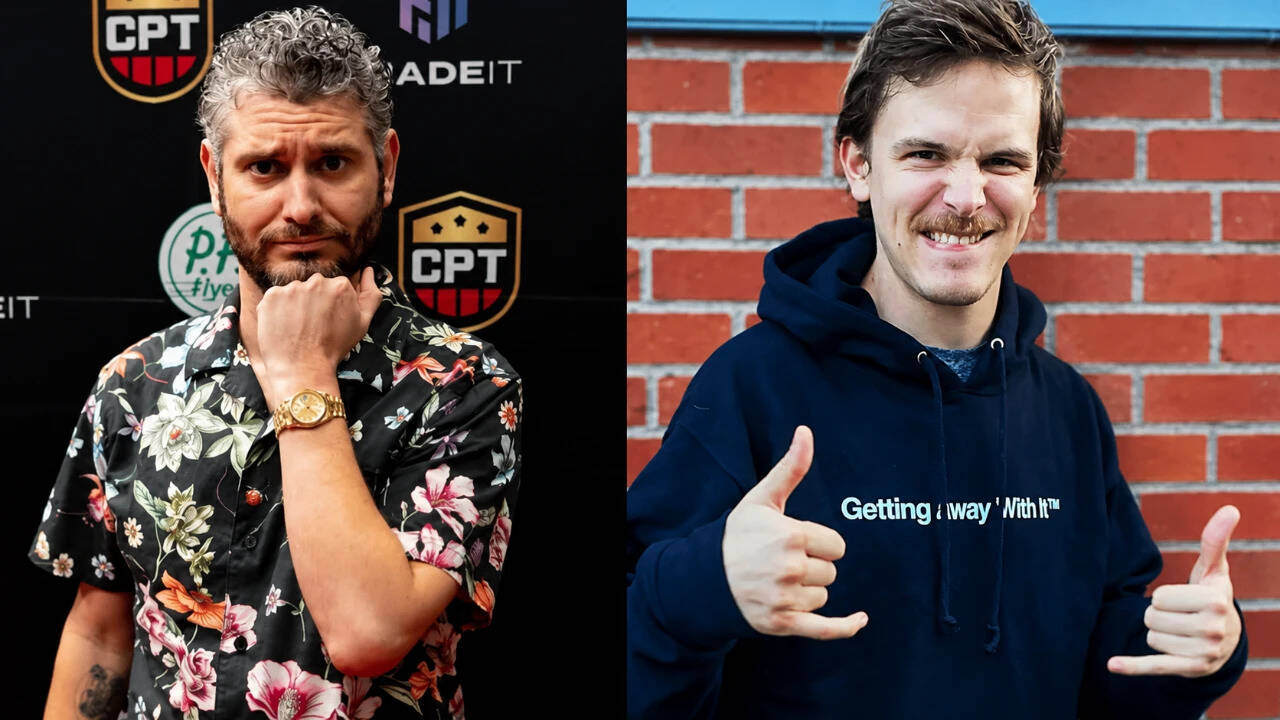
This tension recently crystallized in a high-stakes legal collision between two veterans of early YouTube culture: Ethan Klein and Ian Washburn, better known as iDubbbz.
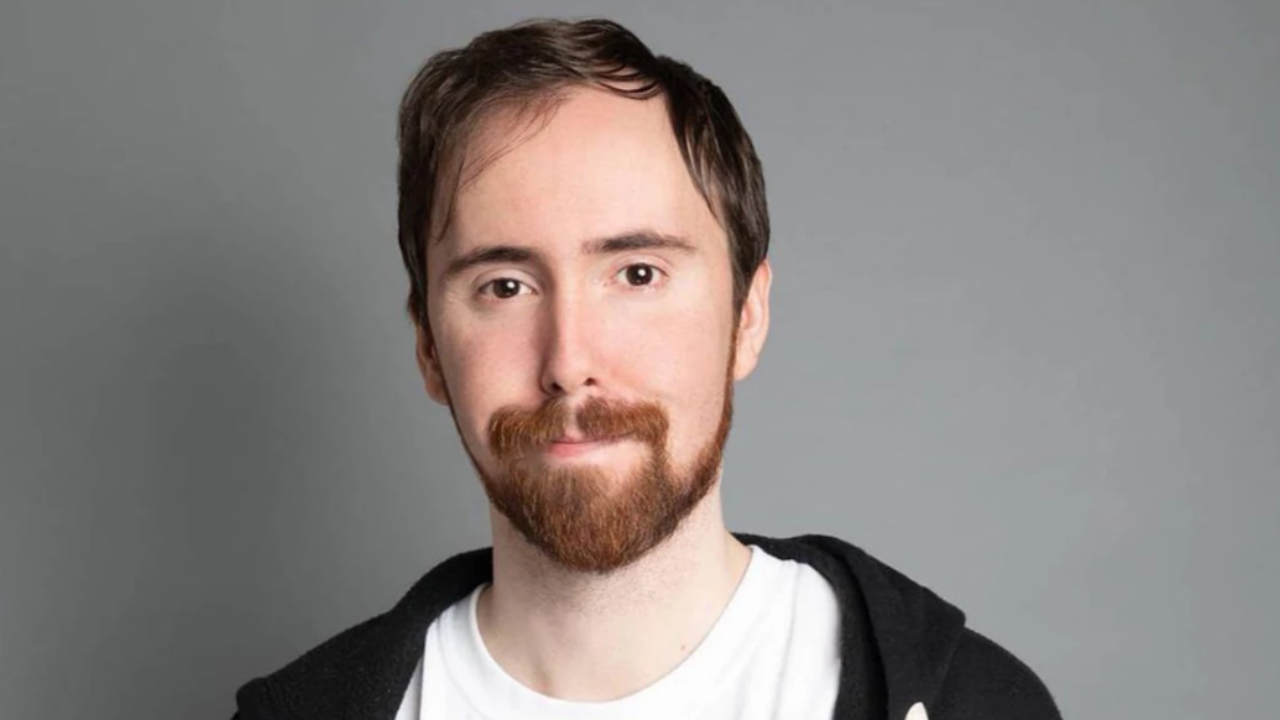
At first glance, the dispute appeared to be a standard defamation case. Court documents brought to light by internet culture investigator Steven Asarch revealed that Klein was pursuing a staggering one million dollars in damages from Washburn. A million dollars. For a livestream that had drawn a relatively modest audience—numbers barely scraping a couple of hundred live viewers. In the traditional financial ecosystem of Hollywood or corporate media, such a figure for such a minor broadcast would be absurd. But the internet operates under an entirely different set of physics, where reputational damage spreads virally and lingers indefinitely.
Yet, money was not the true anchor of the dispute.
When negotiations for a settlement began taking shape behind closed doors, the legal machinery ground to an abrupt, grinding halt over an unexpected sticking point. It wasn't just about financial restitution or a quiet retraction. Klein allegedly wanted conditions attached to the exit. Specifically, he wanted Washburn to issue a public condemnation of the H3 snark subreddit and the broader online snark communities that haunt the periphery of digital celebrity.
This is where the human element breaks through the dry parchment of court filings.
Imagine standing in the center of a crowded room where hundreds of voices are constantly picking apart your character, your choices, and your family. For years, creators like Klein have watched these niche subreddits transform from casual critique boards into organized campaigns designed to impact their livelihoods, their sponsorships, and their mental health. To a creator weathering that storm, a settlement is useless if it leaves the underlying engine of harassment intact. They do not just want an apology for a specific comment; they want validation that the digital mobbing itself is toxic and wrong.
Washburn, however, reportedly balked. The statement he provided fell short of what Klein’s legal team and camp demanded. Washburn was apparently unwilling to cross that specific line and publicly denounce the snark architecture. And just like that, a million-dollar legal bridge collapsed, not over dollars and cents, but over words about a message board.
Critics argue that framing a legal dispute around internet forums is a deflection, a way to paint all legitimate criticism as malicious snark. They point out the asymmetry of the digital landscape—how massive platforms give creators immense reach, but also expose them to unprecedented psychological tolls that traditional legal frameworks were never designed to handle. When a creator tries to use a million-dollar lawsuit to force a peer into denouncing a Reddit community, it exposes a deeper desperation. It highlights a profound vulnerability in an industry built on parasocial relationships.
Neither man is an innocent bystander in the evolution of internet combat. Both helped shape the shock-and-awe comedy era of the platform a decade ago, navigating an ecosystem that rewarded conflict and edge. Now, older and operating under the glaring spotlight of modern scrutiny, they find themselves fighting ghosts of their own making. Washburn, whose current streaming footprint is a fraction of its former peak, finds himself tied up in a heavyweight legal battle over minor broadcast remarks. Klein fights defensively against a digital infrastructure that feels impossible to outrun or silence.
The lawsuit sits frozen in limbo. The settlement remains unsigned. The snark subreddits continue to refresh by the second, churning out new threads, new screenshots, and new arguments.
The screen glows in the dark room, casting a cold, blue light on the face of someone scrolling through a comment thread that will never end.