We live in an era of permanent ink. Ink that does not fade in the sun, does not yellow with age, and refuses to wash out of the fabric of our public lives.
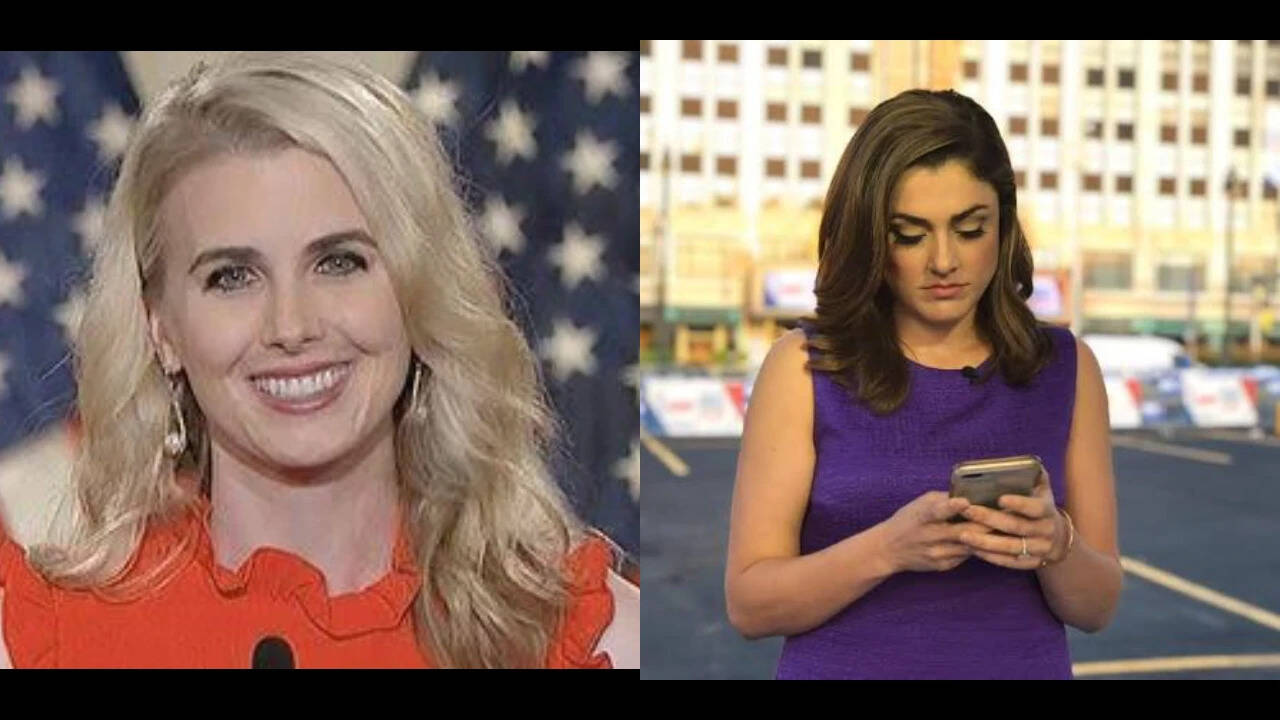
Consider a Tuesday inside the modern West Wing. The air hums with the low, constant vibration of alerts, notifications, and the relentless ticking of a news cycle that never sleeps. Into this room stepped a moment that crystallized the terrifying friction between modern media and personal accountability. Natalie Harp and Kristen Holmes found themselves at the center of a flashpoint involving a sharp, unfiltered rebuke regarding a pointed inquiry. The phrase hung in the air like ozone after a lightning strike: your children will come across your disgusting question.
It sounds like a movie line. It is not. It is the raw reality of modern political combat.
Most of us view the news as a spectator sport. We scroll through headlines on our phones while waiting for coffee, shaking our heads at the latest clash, and then sliding our screens away to check the weather. We forget that the digital record is immortal. Every barbed inquiry, every defensive counter-punch, every calculated leak and emotional outburst is vacuumed up by servers and stored in cold, dark warehouses.
Years from now, those digital footprints will not belong to us. They will belong to the people who bear our last names.
The Architecture of Outrage
The exchange between the press corps and the administration officials did not happen in a vacuum. It was the predictable collision of two unstoppable forces. On one side stands a media corps trained to dig, provoke, and demand absolute transparency under blinding lights. On the other side stands an administration fiercely protective of its narrative, armed with surrogates like Natalie Harp and Kristen Holmes who treat every microphone as a defensive weapon.
When the question was lobbed, it carried a weight that went far beyond standard political sparring. It targeted something visceral. The sharp response that followed—warning the questioner about the legacy they were leaving behind for their own family—was a calculated escalation. It shifted the debate from policy to character.
You could feel the temperature in the room drop.
Why do we do this to each other? Why has public discourse devolved into a bloodsport where the goal is not persuasion, but annihilation?
To understand the mechanics of this clash, we have to look past the political jerseys. We have to look at the human cost of living entirely on the record. Every single day, public figures and reporters alike step onto a stage where the cameras never turn off. They perform for an audience that rewards conflict and punishes nuance. Nuance does not trend. Nuance does not get shared thirty thousand times before lunch.
Anger does.
The Long Shadow of the Archive
Imagine sitting across the kitchen table twenty years from now. Your daughter is a teenager, curious about the world, scrolling through the digital catacombs of the internet. She types your name into a search bar.
What does she find?
Does she find a trail of thoughtful contributions? Or does she find the digital debris of an afternoon spent tearing down an opponent for applause? Does she stumble upon a moment where you traded your dignity for a headline?
This was the core, unspoken warning buried beneath the rebuke delivered in the White House briefing ecosystem. It was a stark reminder that the digital age has erased the statute of limitations on our worst moments. In the past, harsh words spoken in the heat of a parliamentary debate or a press briefing faded into the morning paper, wrapped up in yesterday's trash, and forgotten by the weekend.
Not anymore.
Today, every barb is indexed, cached, and preserved in amber. Google remembers everything. The algorithms do not forgive, and they certainly do not contextualize. They simply serve the content, raw and unvarnished, to anyone with an internet connection and a few minutes of curiosity.
When officials like Kristen Holmes and Natalie Harp push back against the press, they are fighting on two fronts. They are fighting the immediate battle for the daily news cycle, yes. But they are also navigating the broader, more terrifying reality of total exposure. Every word is scrutinized by millions. Every facial expression is clipped into a vertical video and beamed across the globe.
The Weight of the Microphone
Let us strip away the partisan framing for a moment. Forget which administration is in power, which network is asking the question, and which strategist is delivering the reply.
Look solely at the human beings standing under the lights.
Journalism is a noble, brutal calling. To demand answers from power requires a thick skin and a willingness to be unpopular. The reporters who step into that room are doing a job that democracy desperately needs. Without them, power unchecked becomes power abused.
At the same time, those who defend that power are human beings trying to manage an impossible tide of hostility. They go home to families, try to eat dinner in peace, and wake up the next morning to do it all over again.
When the lines blur and the questions cross from rigorous to malicious, something snaps. The armor cracks. The human being inside the official role reacts.
The rebuke about children was not just a rhetorical counter-attack. It was an appeal to a shared, universal fear. We all worry about what our children will think of us. We all want to leave behind a world—and a personal record—that we can look at without wringing our hands in shame.
By invoking the next generation, the speakers did something remarkable. They forced the room to zoom out. They shattered the immediate urgency of the news cycle and dragged everyone present into the cold, sober light of posterity.
The Legacy We Leave Behind
We spend an inordinate amount of time worrying about our financial portfolios, our physical health, and our career trajectories. We plan for retirement down to the penny. We buy insurance to protect against unforeseen disasters.
Yet, we treat our digital reputations like disposable napkins.
We fire off hot takes in the middle of the night. We participate in online pile-ons because it feels good to be part of the mob. We cheer when someone we disagree with is publicly humiliated, forgetting that the tools we use to tear them down today can—and will—be used against us tomorrow.
The clash involving Natalie Harp and Kristen Holmes is a symptom of a much larger cultural sickness. We have built an information ecosystem that monetizes our worst impulses. It rewards the sharpest elbow, the loudest voice, and the most devastating put-down.
And the bill is coming due.
Not tomorrow. Not next week. But years from now, when the children of the questioners and the children of the defenders grow up and start asking questions of their own. They will look at the digital monument we built out of anger, sarcasm, and division.
They will read the transcripts. They will watch the archived video clips.
And they will wonder what on earth we were thinking.
The cameras continue to roll. The alerts keep buzzing. The cycle spins faster and faster, demanding more fuel, more conflict, more outrage. But every once in a while, a moment cuts through the noise and forces us to look in the mirror.
The question is no longer what the politicians said to the press, or how the press responded to the administration.
The question is what you will say when your own child asks you why you spent your life cheering for the fire.