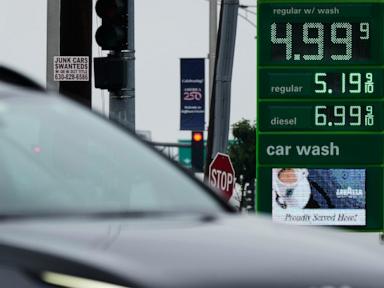
A diplomatic diesel deal sounds great in a morning headline. Yet when global demand sits near 28 million barrels a day, a few extra cargoes won't magically bring calm back to high energy prices.
Look at what happened after the conflict around the Persian Gulf erupted in late February 2026. U.S. retail diesel jumped sharply from under $3.90 a gallon to north of $4.86 within a week, and later climbed past $6 a gallon in autumn 2026 as freight costs, Middle East shipping disruptions, and tight distillate stocks rippled through supply chains. Even with diplomatic moves aimed at freeing up Russian diesel shipments, analysts and energy agencies warn that small, intermittent volumes can't cure a structural middle-distillate squeeze.
I've watched fuel markets long enough to know that headline relief and physical barrel math rarely line up right away. You can waive restrictions or arrange a batch of tankers, and traders might jump for an hour. Still, real-world prices answer to refinery runs, on-land inventory levels, shipping insurance, and how fast freight carriers and factories can adjust.
Why a Diesel Deal Falls Short on Volume
Math has a funny way of spoiling grand energy announcements. When initial shipment batches under the U.S.-Russia diesel arrangement work out to tens of thousands or low hundreds of thousands of barrels per day over a set window, compare that against global diesel consumption of roughly 28 million barrels a day. Even if Russia accounts for only a small slice of global diesel supply—around 2.2% in recent assessments—adding a handful of cargoes doesn't flip a tight global balance overnight.
There's also a practical bottleneck right inside Russia's own fuel system. Refinery strikes and operational disruptions have weighed heavily on Russian diesel output, with the International Energy Agency estimating production dropped by roughly 30%. Moscow had already restricted diesel exports earlier in 2026, so turning the tap back on smoothly—and keeping tankers moving reliably—isn't as simple as signing a waiver.
What Actually Drives High Energy Prices Beyond the Pump
Most drivers only think about diesel when they fill up a pickup or see a station sign creeping higher. Most households don't actually buy diesel directly, though. Freight trucks, rail lines, farm equipment, construction crews, and industrial generators run on it every single day.
When diesel gets expensive, the bill quietly attaches itself to almost everything else. A grocery store doesn't just pay more to chill produce; it pays more to haul grain, packaging, and pallets from port to warehouse to shelf. That's why a spike in diesel acts like a stealth tax across manufacturing and retail long before a consumer ever looks at a fuel receipt.
According to the IEA November 2026 Oil Market Report, global oil supply climbed in October 2026 as Gulf exports pushed higher despite ongoing shipping and infrastructure risks. Sounds encouraging, right? Not so fast. While crude floating on water has risen, inventories stored on land remain severely depleted, and refined middle distillates like diesel and gasoil still face tight balances. Crude oil coming out of the ground isn't the same thing as ultra-low-sulfur diesel sitting in a terminal tank ready for a delivery truck.
Refining Margins, Emergency Stocks, and Geopolitical Tradeoffs
Refiners are caught in a tug-of-war between sky-high margins and real physical constraints. Wide crack spreads and strong refining profitability have pushed U.S. and OECD refiners to keep crude runs elevated against seasonal norms. Yet even with stronger runs, global gasoil and diesel output in late 2026 has trailed prior-year levels, leaving cushion room thin heading into winter heating and transport demand.
Emergency reserves help bridge gaps, not erase them. Coordinated emergency stock releases by IEA member countries—including accelerated product and diesel releases planned through early 2027—buy time and calm panic in regional markets. Honestly, though, strategic stocks are a shock absorber, not a permanent replacement for normal refinery throughput and safe shipping lanes.
Then there's the political friction nobody in a market chat can ignore. Easing sanctions or carving out diesel trade routes to cool domestic prices sparks fierce pushback from lawmakers and allies who worry it hands revenue back to Moscow while the war in Ukraine grinds on. Even senior officials across the region have pointed out that lasting price stability depends heavily on what happens around the Persian Gulf and Strait of Hormuz rather than a single bilateral fuel arrangement.
Common Misconceptions About Fuel Relief Deals
One big myth is that any headline deal on oil or diesel translates into cheaper fuel at the station within days. Physical supply chains have lag times. Tankers take time to load, cross oceans, clear customs, blend, and distribute.
Another trap is assuming crude prices and diesel prices move in lockstep. Because refining bottlenecks and regional distillate shortages can widen spreads, crude can wobble or even ease in spots while diesel stays stubbornly elevated. If you only watch headline crude benchmarks, you'll miss half the story on freight and industrial costs.
Finally, people often treat energy policy as a purely economic lever. In reality, every sanctions waiver or export carve-out carries diplomatic, security, and domestic political costs that can shift just as fast as market prices.
Practical Next Steps for Businesses and Households
If you run a business that relies on freight, deliveries, or heavy equipment, don't build your Q4 or 2027 budget around a quick drop in diesel prices. Look at the EIA Short-Term Energy Outlook and weekly distillate inventory updates rather than relying on cable news headlines.
- Audit fuel surcharges and shipping contracts now so sudden spikes don't wipe out thin operating margins.
- Route consolidation, idle-time cuts, and preventative maintenance can trim fuel burn by a few percent—real money when diesel sits near multi-month highs.
- If you're a household budgeting for higher grocery, parcel, or winter heating costs, pad your monthly cash flow buffer rather than waiting for pump prices to snap back overnight.
A diplomatic diesel deal might shave a little tension off a rough trading week. Real relief still takes steady refineries, rebuilt inventories, and calmer shipping lanes.