Every time someone dumps dish soap into a public fountain or scrawls paint across a granite pillar on the National Mall, the commentariat loses its collective mind. Headlines scream about sacrilege, moral decay, and the death of civic respect. Pundits demand iron gates, heavier policing, and draconian penalties for anyone who dares touch sacred stone.
They are missing the entire point of public architecture. You might also find this connected article insightful: Japan Quietly Ditches Pacifism While Beijing Prepares for War.
A monument that cannot survive contact with the living public is not a memorial. It is a mausoleum. When the World War II Memorial gets hit with bubbles and graffiti, it stops being a sterile photo-op for tourists holding selfie sticks and momentarily becomes what it was always supposed to be: a living arena where contemporary life collides with historical memory.
The Myth Of The Untouchable Monument
We have built a civic religion around preservation. The standard playbook for public art and historical sites relies on velvet ropes, armed guards, and the illusion of permanence. We treat granite and bronze as if they possess intrinsic moral value, completely ignoring the fact that monuments are dead matter until the public interacts with them. As highlighted in recent reports by The Guardian, the results are significant.
I spent a decade managing urban revitalization projects in major metropolitan cores. I've watched millions of dollars get poured into pristine plazas that immediately died because the design treated citizens like threats rather than participants.
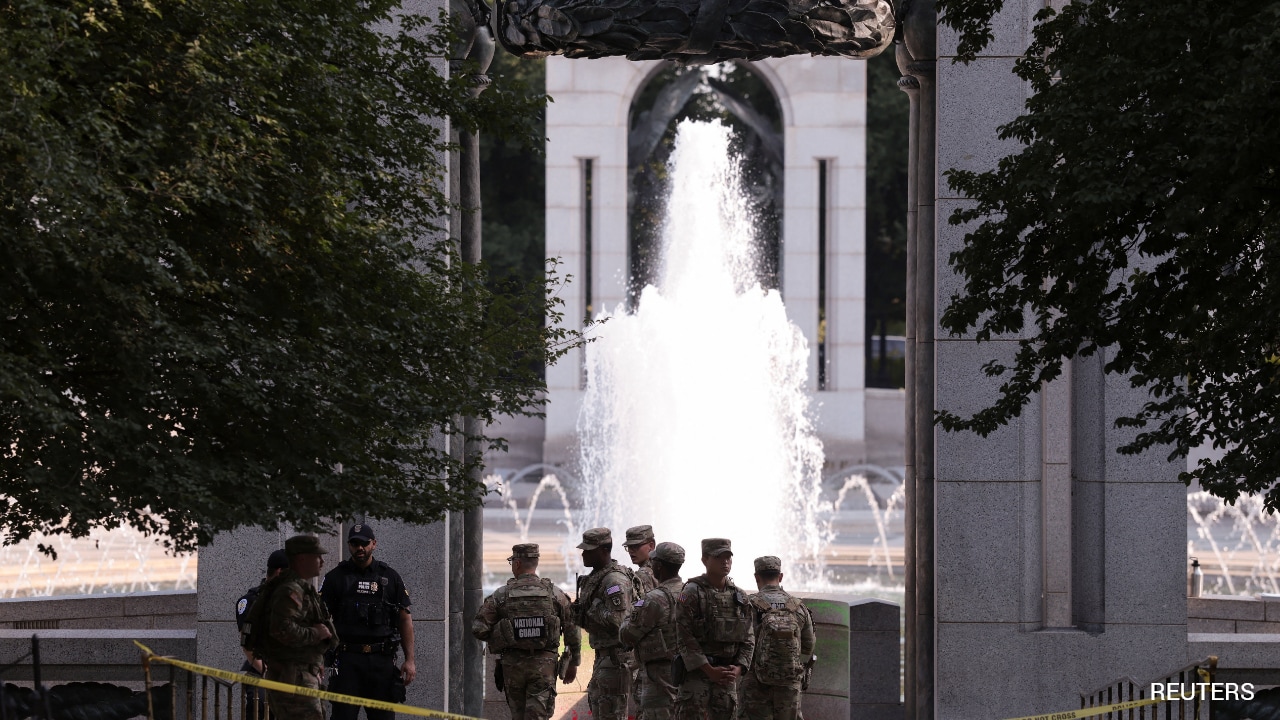
When a vandal dumps soap into the World War II Memorial's central fountain, creating a mountain of suds, the knee-jerk reaction is absolute outrage. But let us look at the mechanics of what actually happens. Soap washes away. Granite does not dissolve in Dawn dish liquid. The stone remains. The water cleanses itself. What changes is the psychological distance between the citizen and the state.
For a brief, shining window, a solemn war memorial stops being a bureaucratic monument managed by the National Park Service and becomes a canvas. That friction is where authentic civic culture lives.
Why Fountains Were Never Meant To Be Museums
Let us define what a fountain actually is in urban design. It is not a silent statue. It is a kinetic, dynamic water feature designed to move, splash, and invite human engagement.
Roman fountains were laundries, meeting spots, and gathering points. Renaissance plazas used water as an interactive centerpiece. Modern American public architecture, however, sanitizes public space into open-air museums where touching anything is a minor misdemeanor.
When citizens turn a memorial fountain into a giant bubble bath, they are instinctively rebelling against the sterilization of public space. They are reclaiming a piece of federal real estate that was designed by committee to evoke somber quiet rather than vibrant life.
Consider the alternative. A pristine monument guarded by cameras and security personnel is a dead space. It communicates that history is finished, categorized, and locked behind glass. Soap and spray paint are messy, irritating reminders that the people whose sacrifices are supposedly being honored did not fight for a nation of librarians enforcing strict interior design codes on public parks. They fought for a free society—and freedom is messy.
The Economics Of Outrage
Why do the media and preservationists blow these incidents out of proportion? Because outrage is a cheap business model.
Every time a headline breaks about vandalism at a national monument, advocacy groups launch fundraising campaigns, cable news brings on disgruntled historians to shake their fists at generation Z, and government agencies request budget increases for enhanced security infrastructure. It is a closed-loop economy built entirely on pearl-clutching.
Let us look at the actual cost. Power-washing a granite wall or flushing a soapy fountain takes a maintenance crew a few hours. The financial impact is a rounding error in a federal budget. Yet the cultural panic makes it sound like the civilization is collapsing.
This is the fragility trap. When a society becomes so fragile that a bucket of soapy water on a war memorial triggers a national existential crisis, the problem is not the person with the soap. The problem is a culture that has lost all confidence in its own resilience.
What Real Memorialization Looks Like
If we actually cared about honoring the generation that fought World War II, we would look at how they lived. They were practical, cynical, resourceful, and deeply unimpressed by pompous formality. They didn't survive the Ardennes or the Pacific theater so future generations could turn memorials into untouchable relics.
Imagine a scenario where the National Park Service leaned into the chaos instead of calling the riot squad. Imagine a public space robust enough to handle human eccentricity without calling for federal indictments every time someone acts out.
Instead, we double down on hostile architecture. We add more cameras, more fences, more signs telling people what they cannot do. We transform spaces meant to celebrate liberty into maximum-security zones.
The next time someone throws paint on a pillar or turns a reflecting pool into a foam party, stop and ask a different question. Instead of asking how we can punish the perpetrator more severely, ask why our public spaces feel so alienating that people feel compelled to deface them just to leave a mark.
True public art invites dialogue, adaptation, and even disruption. If your monument cannot withstand a little soap, it deserves to be washed away.