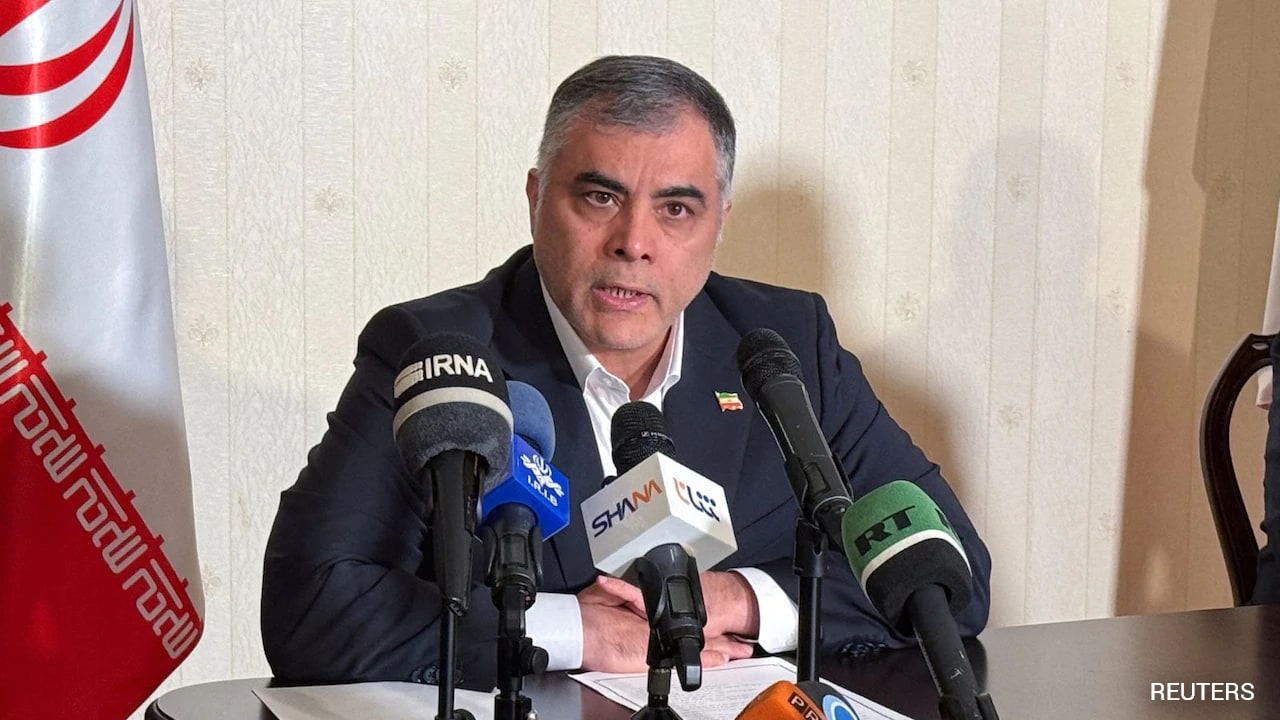
The headlines back in October 2026 called it a standard resignation for personal reasons. But when Iran's Oil Minister Mohsen Paknejad stepped down, anyone watching Tehran's energy sector closely knew reality was far messier. Officials pointed to quiet departures and internal fatigue, yet the timing coincided with a severe economic crunch, plummeting export volumes, and tightening Western blockades.
Let's look past the diplomatic pleasantries. When a high-ranking energy official leaves office in the middle of a systemic export crisis, it tells you a lot about the pressures facing state-run economic management.
The Pressure Behind the Exit
Mohsen Paknejad took the helm of Iran's oil ministry in August 2024 with big expectations to keep state revenues flowing despite heavy international restrictions. By late 2026, however, the landscape had fractured. Between intense naval blockades, infrastructure damage from regional conflicts, and mounting domestic inflation, keeping crude moving through underground channels became an uphill battle.
Reports inside Tehran pointed to sharp disagreements over how to manage sanctioned oil sales, disputes involving intermediary trading networks, and political friction regarding key petrochemical board appointments. When billions of dollars hang in the balance, policy disagreements turn personal very quickly. Paknejad insisted on stepping down, and President Masoud Pezeshkian's administration accepted the exit to install an industry insider.
Enter Hamid Bovard
To steady the ship, Tehran appointed Hamid Bovard as acting oil minister. Bovard isn't a career politician parachuted into a technical role. He previously served as the chief executive of the National Iranian Oil Company (NIOC) and managed major regional subsidiaries like the Iranian Offshore Oil Company.
This appointment signals a clear shift toward operational triage. The government didn't look for a diplomat; they picked a corporate technician who understands extraction, logistics, and field management. But changing the captain doesn't stop the storm. Bovard immediately inherited a massive infrastructure deficit—including tens of millions of cubic meters of lost daily gas production—alongside aggressive financial isolation campaigns from Washington.
The Real Crisis in Energy Logistics
The core problem facing Iran's oil apparatus isn't just who sits in the ministerial chair. It's the mechanics of survival under maximum pressure.
- Export Bottlenecks: Enhanced naval enforcement and tighter tracking of tanker fleets have choked off traditional shipping lanes.
- Revenue Tracking: Relying on private intermediaries and complex trustee systems to collect oil money creates high-stakes domestic political friction when funds get delayed or trapped.
- Domestic Deficits: Beyond exporting crude, local fuel consumption strains domestic infrastructure. The government faced tough choices regarding petrol pricing quotas to combat daily supply deficits.
When you squeeze the primary financial lifeline of a nation, the strain manifests instantly at the top. Paknejad's departure is a symptom of a deeper structural squeeze that no single ministerial appointment can easily fix. Bovard's tenure will be judged entirely on whether he can plug the leaks in a system under siege.