Online hate speech kills. It starts with a click, turns into a viral trend, and ends with real-world violence. We are seeing this exact script play out in Malaysia right now. A massive online petition demanding the expulsion of Rohingya refugees recently swept across digital platforms, racking up tens of thousands of signatures before it was pulled down.
Human rights groups are sounding the alarm. This isn't just about a digital document. It is a flashpoint for an escalating wave of xenophobia that threatens vulnerable people. If you think online vitriol stays online, you are wrong.
Why the Rohingya Petition in Malaysia is a Ticking Time Bomb
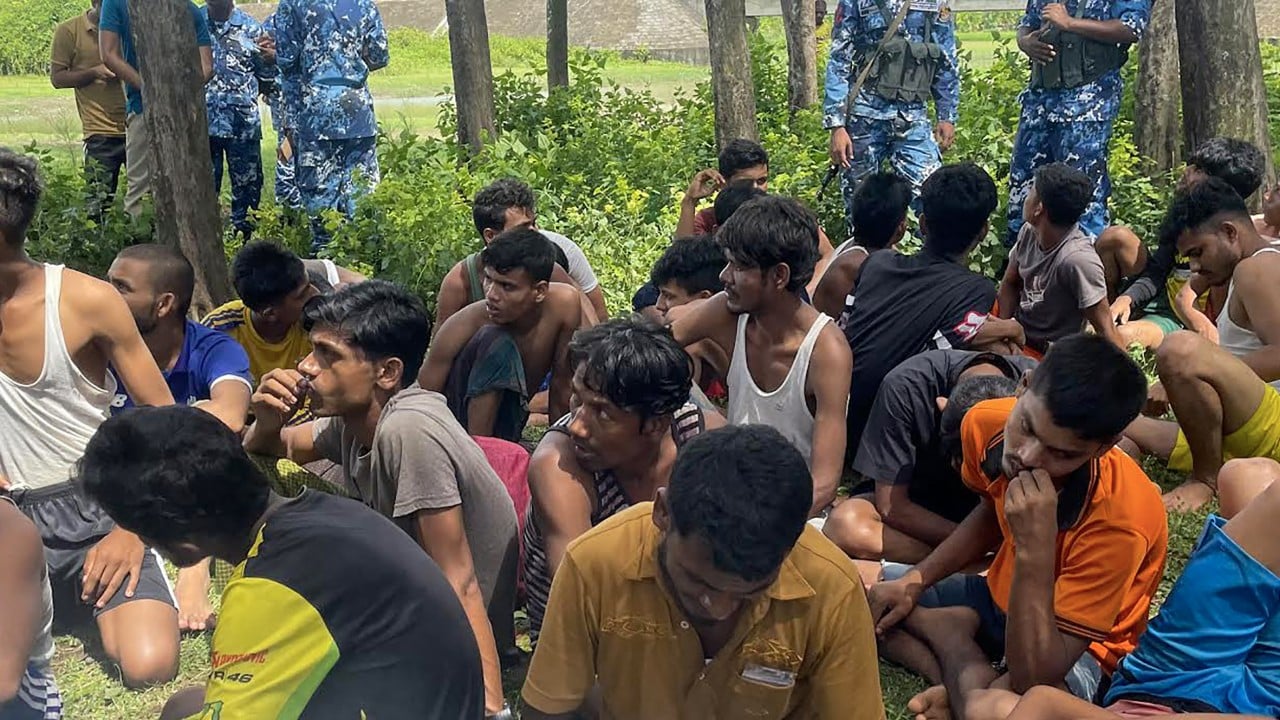
The petition targeted Rohingya refugees living in Malaysia, explicitly calling for their deportation. Before change.org removed it for violating hate speech policies, the numbers exploded. That sudden surge shows how deeply anti-refugee sentiment has penetrated mainstream digital spaces in the country.
Activists from organizations like Fortify Rights and the Asia Pacific Refugee Rights Network have pointed out that these campaigns do not happen in a vacuum. They are fueled by economic anxieties, misinformation, and political scapegoating. When living costs rise, minority groups usually get blamed.
Human rights defenders face immediate danger because of this rhetoric. When an online campaign labels an entire ethnic group as a threat, anyone standing up for them becomes a target too. Activists report receiving death threats, doxed personal information, and relentless harassment.
The Anatomy of Modern Digital Xenophobia
How does a petition like this gain traction so fast? The mechanics are simple but devastating.
- Algorithmic amplification: Social media platforms reward outrage. High engagement means more visibility.
- Coordinated inauthentic behavior: Troll farms and automated bots often kickstart these petitions to make hatred look mainstream.
- Dehumanizing language: Posts frequently label refugees as criminals or invaders. This language removes empathy.
Look at what happened in Myanmar in 2017. The United Nations explicitly found that Facebook played a determining role in fueling genocide against the Rohingya through unchecked hate speech. Malaysia is not Myanmar, but the digital patterns are terrifyingly similar.
Beyond the Screen
The real worry is what happens when this sentiment spills onto the streets. Malaysia is not a signatory to the 1951 UN Refugee Convention. This means refugees lack legal status, cannot legally work, and cannot access formal education. They live in a permanent state of limbo.
Because they exist in the shadows, they are easy targets. When public anger peaks, immigration raids intensify. Detention centers fill up. Hate speech directly informs policy decisions because politicians look at viral petitions and mistake targeted bigotry for the will of the entire population.
How to Combat Coordinated Hate Campaigns
Stopping this trend requires moving past thoughts and prayers. Tech platforms must enforce their community guidelines strictly in local languages, not just English. Human moderators who understand Malaysian cultural context are desperately needed to catch these campaigns before they go viral.
Media literacy matters now more than ever. Before sharing a sensationalized post about refugees, check the source. Verify the statistics. Most viral claims about refugee crime rates or government handouts are flat-out fabrications designed to make you angry.
Support local civil society organizations that do the actual work on the ground. Groups like Tenaganit and Beyond Borders Malaysia need resources to counter disinformation and provide legal protection to targeted communities. Speak up in your own social circles when you hear casual xenophobia. Silence is compliance.