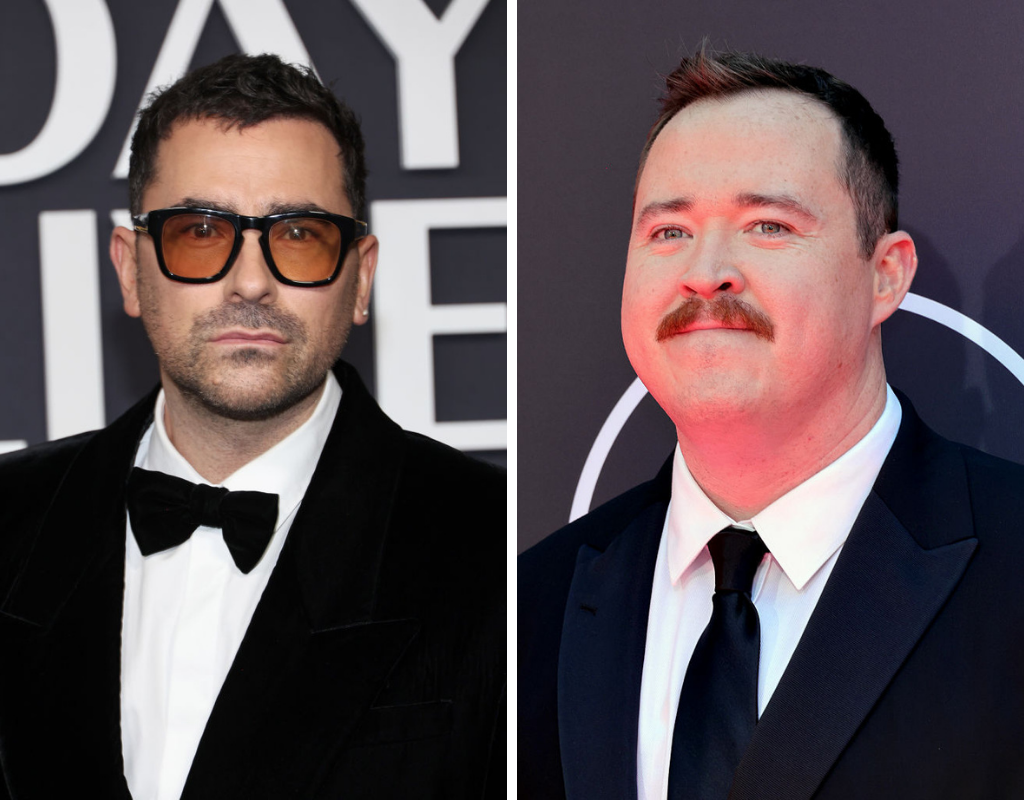
One punchline about gym shorts was all it took to turn a routine Saturday Night Live monologue into a full-blown cultural flashpoint. When Shane Gillis hosted in October 2026, his opening set mocked women's workout attire using a derogatory slur. Days later, Dan Levy stepped into the fray on Instagram, calling the bit misogynistic and arguing that casual objectification feeds a broader culture of complacency around harassment and assault.
Honestly, this wasn't just two entertainers trading jabs on the internet. It exposed a real rift in how people judge stand-up comedy right now, especially when a live broadcast lands in the middle of heavy national headlines. Some viewers heard a crude riff meant to poke fun at social media awkwardness. Others heard a word they felt crossed a line on network television.
What Happened in the Shane Gillis Monologue
During his October 10, 2026 opening monologue on SNL, Gillis riffed on returning to the gym and joked about the cut and bright colors of women's workout shorts, using a slur to describe how women dress there while adding a punchline about men not being allowed to look. The segment quickly drew pushback online from viewers who felt the wording went past edgy observational humor into plain disrespect.
It didn't happen in a vacuum, either. That same broadcast included other jarring moments, including a joke about hair loss and politics and a later sketch parodying Dr. Seuss where Gillis accidentally dropped an F-word live on air and apologized afterward.
For fans tracking the night, the gym-shorts line stood out because of what was happening off-screen in the news cycle. Coverage surrounding the civil lawsuit and campus protests tied to the alleged gang-rape at Cornell University was already dominating social feeds. To many critics, calling women names over their clothes on national TV felt tone-deaf given how fiercely people were debating victim-blaming and campus accountability.
Why Dan Levy Stepped In and What He Said
Plenty of internet commentators argue about comedy every weekend. What made Levy's response hit harder is that he's a fellow SNL host with mainstream credibility who chose to put his own name and face behind a direct rebuke.
In his Instagram reel, Levy pushed back on the premise of the joke outright, stating that wearing short shorts to work out doesn't make women whores—it makes the men using that word misogynists. His point wasn't just about hurt feelings in a comment section. He argued that normalizing objectifying language in pop culture helps build a climate where sexual assault and harassment get treated as a debate rather than a crime.
Levy also aimed his message straight at men. He said more men need to push back instead of shrugging it off, calling objectification an everybody issue rather than something women have to fight alone. If you've ever watched a room go quiet—or laugh out of obligation—when a guy makes a demeaning joke about women's bodies, you know that dynamic well. Staying silent often reads as co-signing.
How Shane Gillis Responded Weeks Later
Gillis didn't immediately fire back at Levy's video, instead addressing the broader SNL backlash a few weeks later when he appeared on The Joe Rogan Experience in mid-November 2026. Sitting down with Rogan and fellow comics Mark Normand and Ari Shaffir, Gillis clarified that he doesn't actually have a problem with how women dress at the gym.
His defense centered on two points:
- No pre-approval from the show: Gillis said stand-up hosts don't hand over their sets for sign-off the way non-comics might rely on writers for a monologue, though he acknowledged SNL could shut material down if it chose to.
- Context and self-deprecation: He argued the bit was tied to feeling awkward around people filming at the gym and spending long stretches roasting himself, while Rogan dismissed the outrage as people looking to get upset over a joke.
The fallout even echoed back onto SNL itself. When NBC skipped Gillis's episode in its repeat lineup later that fall—following a pattern of keeping certain controversial segments on streaming and YouTube while leaving them off the broadcast rerun rotation—host Inde Navarrette still managed to reference the "whore outfit" line in her own monologue before hitting the gym for a X-Men role.
The Bigger Divide Behind "It's Just a Joke"
Watch enough of these dust-ups and you start noticing a pattern. One side treats stand-up like a stress-test for taboo words and uncomfortable observations, insisting that intent and punchline mechanics matter more than literal phrasing. The other side looks at the megaphone—live network TV reaching millions of households—and asks what kind of language gets treated as normal entertainment.
In my experience covering and following pop-culture blowups, both sides talk past each other when they treat comedy as either sacred ground or a moral referendum. A comic can intend a riff about social anxiety or gym filming culture and still land on a word that alienates half the room. Equally, calling out a specific joke doesn't automatically mean wanting a comic erased from existence—even though online threads love turning every disagreement into a binary war.
There's also a practical reality about live television that gets lost in the noise. Even if producers don't micromanage every word a seasoned stand-up writes, a broadcast network still carries editorial weight the moment a clip goes out on air and gets sliced into social media reels.
What's Debatable vs. What's Clear
Not every detail of this controversy is settled fact, and keeping that distinction straight helps make sense of the reaction:
- What's clear: Gillis used the slur during his October 10 monologue while talking about women's gym shorts, Levy publicly criticized the remark as misogynistic and tied objectification to complacency around assault, and Gillis later said on Rogan's podcast that he has no issue with women's gym wear and doesn't submit his stand-up set for formal approval.
- What's debated: Whether the joke was harmless observational humor about gym awkwardness or genuinely demeaning, whether SNL bears blame for airing it, and how much weight individual jokes carry in shaping broader culture.
Practical Next Steps If You're Following the Story
If you want to judge the debate for yourself rather than relying on secondhand hot takes, start with the primary clips. Watch the full monologue on Saturday Night Live's official channels and listen to the full podcast segment rather than stopping at a ten-second quote out of context. Pay attention to how the setup, delivery, and audience reaction actually play out from start to finish.
Next, compare how different voices frame the issue—from Levy's argument about male accountability and media framing to stand-up defenders talking about comic autonomy and live pacing. Notice where people agree on the facts and where they simply hold different standards for what belongs on a mainstream comedy stage.