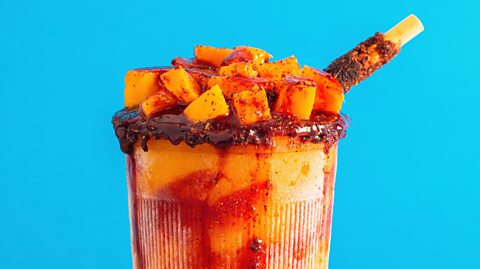
The packaged food industry thrives on a manufactured lexicon, and this summer, its chosen word is fricy.
A portmanteau of "fruity" and "spicy," the term has been aggressively deployed across supermarket press releases, trend forecasts, and social media feeds to describe the combination of fresh fruit profiles with sharp chili heat. Corporate product developers are betting millions that you will spend the hot months consuming mango-chili chips, chamoy-infused beverages, and hot-honey-drizzled melon bowls.
But behind the sudden surge of the fricy label lies a massive miscalculation by Western consumer packaged goods brands. They are treating a centuries-old global culinary foundation as a fleeting, Westernized seasonal novelty.
By hyper-processing a flavor profile that relies inherently on fresh, volatile ingredients, mass-market food manufacturers are creating products that fail to replicate the very magic that made the combination famous. The current corporate rush to colonize the sweet-heat space is fundamentally detached from consumer reality, setting up the industry for a costly autumn hangover when the trend cycle abruptly turns.
The Chemistry of Contrast
To understand why the commercialization of fricy is stumbling, one must understand why the combination works in a kitchen. It is a matter of neurobiology, not just marketing.
When human taste receptors encounter the compound capsaicin—the chemical that makes chilis hot—they register a sensation of burning. The brain responds by releasing endorphins and enkephalins, natural painkillers that induce a mild, euphoric rush.
When you pair that physiological fire with the natural sugars and organic acids found in fresh fruit, a complex sensory interaction occurs.
The Flavor Matrix
The success of this combination depends on three distinct pillars working in perfect equilibrium.
- Thermal Masking: The cooling, water-heavy nature of fresh fruit physical lowers the perceived intensity of the capsaicin burn, preventing it from overwhelming the palate.
- Acidic Brightness: Natural fruit acids, such as citric or malic acid, activate salivary glands, which helps cleanse the palate of heavy capsaicin oils.
- Volatile Aromatics: The short-chain esters responsible for fruity aromas provide a complex olfactory backdrop that simple refined sugars cannot mimic.
This balance is why street vendors across Mexico have successfully sold mango, cucumber, and watermelon doused in lime juice and Tajín for generations. It is why Thai street food relies so heavily on som tam, a green papaya salad that weaponizes birds eye chilis against sour lime and palm sugar.
These traditions do not rely on a marketing buzzword. They rely on the structural synergy of fresh, living ingredients.
The Industrial Sabotage of Real Flavor
The fundamental problem arises when industrial food processing attempts to scale this delicate interaction. Large food conglomerates are not using fresh, ripe fruit and authentic, hand-ground chilis. Instead, they rely on highly stabilized shelf-stable alternatives.
Consider a hypothetical mass-market snack brand attempting to launch a fricy potato chip. To achieve a mango-habanero flavor profile that can sit on a grocery store shelf for nine months, developers cannot use real mango juice. The natural sugars would scorch during the industrial frying process, and the bright fruit notes would oxidize into a stale, metallic aftertaste within weeks.
Instead, industrial chemists turn to a combination of dehydrated fruit powders, maltodextrin, silicon dioxide to prevent caking, artificial flavorings, and citric acid for a synthetic punch.
The result is a product that completely lacks the volatile aromatics and hydrating qualities of real fruit. Instead of a refreshing interplay of heat and moisture, the consumer is left with a dry, cloying, aggressively artificial sweetness followed by a harsh, chemical throat-burn.
Industrial processing strips away the exact elements that make the flavor profile desirable in the first place, leaving behind a hollow caricature.
The Ghost of Swicy Past
The corporate obsession with the fricy label is a direct reaction to the runaway success of swicy (sweet and spicy) products over the last few years. Hot honey, chili crisp, and gochujang-infused condiments proved that Western consumers were finally ready to embrace complex heat profiles.
However, mainstream brands have learned the wrong lesson from the swicy boom. They assumed that consumers simply wanted any combination of sugar and heat.
What they missed was that hot honey and chili crisp succeeded because they are fat-based condiments. Fat acts as an excellent carrier for capsaicin, coating the tongue and slowing down the release of heat, creating a rich, luxurious sensory experience.
Fruit, by contrast, is water-based. It relies on immediate freshness and evaporation to deliver its flavor notes.
When a brand tries to force a water-based flavor profile into a shelf-stable dry snack or a heavily preserved carbonated beverage, the structural integrity collapses. The market is currently being flooded with products that feel deeply unsatisfying because they are trying to apply a shelf-stable blueprint to an inherently fresh culinary style.
The Cultural Extraction Problem
There is also a deeper, structural cynicism to the way the food industry handles these trends. Mainstream grocery brands frequently treat deep-seated regional food cultures as a goldmine for free intellectual property, repackaging ancient traditions as "the next big thing."
When a major supermarket chain launches a line of pre-packaged fruit cups with a generic chili-lime seasoning and slaps a trendy label on it, it isn't innovating. It is merely sanitizing and upcharging for a product that immigrant communities have been making perfectly for decades.
This corporate sanitization often ruins the actual product. Authentic chamoy, for instance, is a complex, fermented condiment made from pickled fruit like apricots or plums, seasoned with chilies and lime juice. It possesses a salty, funky, deeply umami undertone born of fermentation.
When a corporate beverage brand attempts to create a chamoy-flavored seltzer, that funk is entirely erased in favor of a clean, sanitized, and ultimately boring sweetness that alienates the very demographics that understand the flavor best.
Navigating the Market Over-Saturation
The food industry operates on an incredibly aggressive timeline. Once a flavor trend is identified by market research firms, there is a mad scramble to get products on shelves before the summer season peaks. This rush inevitably leads to terrible product development decisions.
| Product Category | The Authentic Inspiration | The Industrial Execution | The Common Flaw |
|---|---|---|---|
| Beverages | Fresh mangonadas, spicy grapefruit mezcal cocktails. | Carbonated water with natural flavors, high-fructose corn syrup, and capsicum extract. | Artificial chemical burn with zero fruit body or real juice texture. |
| Salty Snacks | Fruit carts serving fresh melon with chili powder and salt. | Corn or potato chips coated in monosodium glutamate, citric acid, and fruit powders. | Overly salty, dusty mouthfeel that clashes with the promised refreshing fruit note. |
| Dairy / Desserts | Spicy mango sorbets, chili-infused dark chocolate. | Ice creams or yogurts featuring shelf-stable fruit ribbons infused with mild chili extracts. | The cold temperature of the dairy suppresses the fruit aromas, leaving only a lingering, awkward throat heat. |
The market is already showing signs of fatigue from these half-baked executions. Consumers who buy into the hype expecting the vibrant, refreshing experience of a street-side fruit cup are instead meeting a wall of synthetic citric acid and industrial heat.
The Path Forward for Genuine Innovation
If the sweet-heat movement is going to survive past the end of August, brands need to abandon the gimmick and focus on manufacturing processes that actually respect the ingredients.
This means moving away from dry, shelf-stable snack aisles and focusing heavily on the perimeter of the grocery store—specifically the refrigerated and fresh produce sections.
High-pressure processing (HPP) presents a viable path forward for beverages and sauces. By using cold pressure instead of high heat pasteurization, manufacturers can preserve the fragile, volatile flavor compounds of fresh mango, passion fruit, and lime juice while maintaining shelf life.
Furthermore, product developers must stop fearing the authentic components of these flavor profiles. If you are going to market a product based on global flavor traditions, you cannot strip out the salt, the lime, or the genuine heat just to appease a hypothetical consumer who finds real food too challenging.
The summer will undoubtedly see an explosion of products bearing the fricy tag, driven by heavy corporate marketing spend and short-term novelty purchases.
Yet, as the season wanes, the brands left standing will not be the ones that invented a clumsy new word to put on a bag of mass-produced tortilla chips. It will be the businesses that understood that real flavor cannot be engineered in a corporate lab through artificial shortcuts.