Suspending fraternity parties doesn't fix a broken system. It just buys breathing room.
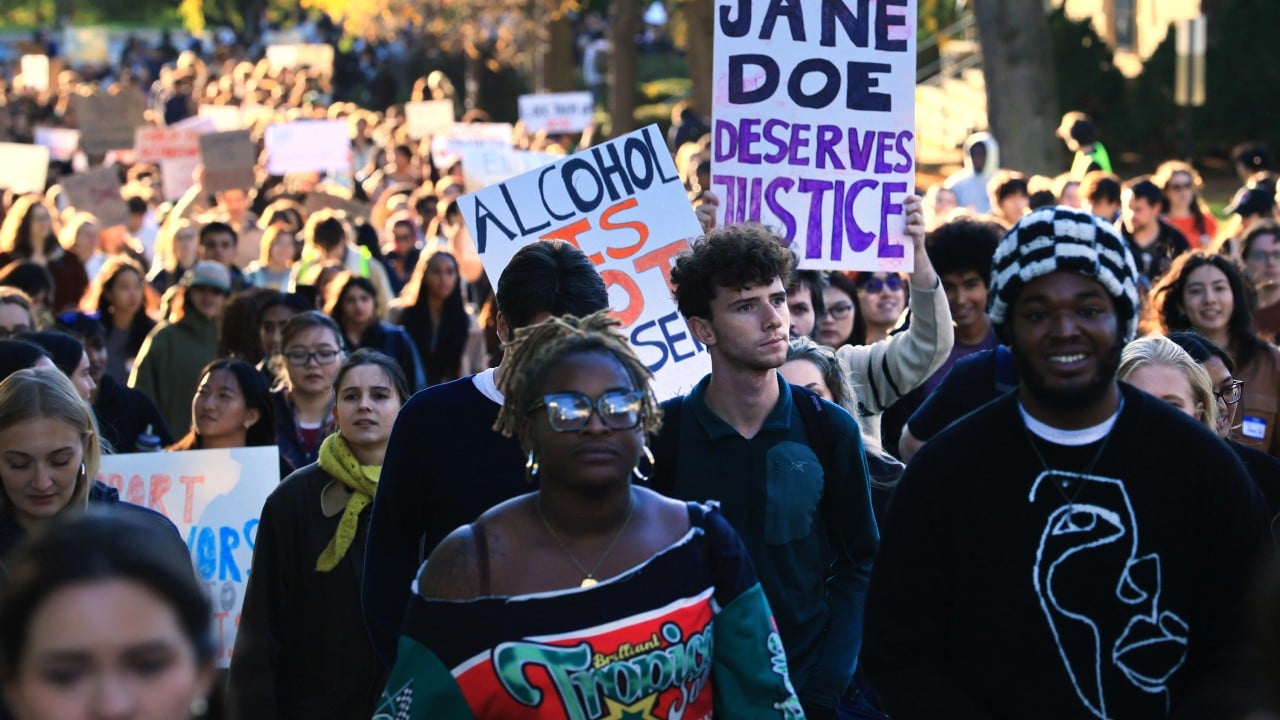
When Cornell University announced in October 2026 that fraternities couldn't host parties for the rest of the academic year, the move looked decisive on paper. It came in the middle of fierce protests, a high-profile civil lawsuit over an alleged 2024 gang rape at the Chi Phi house, and a wave of public outrage that reached New York's highest political offices. President Michael Kotlikoff also brought New York State Police into campus sex-crime investigations and tapped former acting U.S. Attorney General Sally Yates to review how the university handles sexual misconduct.
Yet a party freeze alone is a band-aid on a much deeper wound. You can lock the basement doors on a Saturday night and still leave untouched the institutional blind spots, slow reporting timelines, and conflicting legal standards that let a crisis spiral for two years.
Why Cornell Suspending Frat Parties Became a Flashpoint
To understand why Cornell took such a sharp step in October 2026, you have to look at what happened between autumn 2024 and fall 2026. A former student, identified in court filings as Jane Doe, alleged that she was sexually assaulted by multiple men at the Chi Phi fraternity house in October 2024 after drinking alcohol and being pressured into taking ketamine. She reported the incident to Cornell University Police on November 8, 2024, and gave lengthy interviews to campus police a week later.
At first, the public barely heard about it. Local prosecutors declined to bring criminal charges after reviewing a condensed police summary. Cornell moved to suspend the Chi Phi chapter and took disciplinary actions against students—some expelled or suspended, others given lighter sanctions—but the broader campus didn't see a full reckoning until September 2026, when Doe filed a civil lawsuit against Cornell and seven men.
Once that lawsuit hit the courts, everything changed fast. Tompkins County District Attorney Matthew Van Houten announced his office would reopen the criminal probe. Days later, on October 1, 2026, Governor Kathy Hochul appointed New York Attorney General Letitia James as special prosecutor to lead the criminal investigation, citing serious questions about how Cornell campus police and local prosecutors handled the original inquiry. Students staged sit-ins and rallies, faculty members passed a vote of no confidence in school leadership over sexual assault response, and Cornell eventually launched a broader review of Greek life's future and housing ties on campus.
Party bans stop gatherings. They don't automatically rebuild trust when students feel the system failed a survivor at multiple checkpoints.
🔗 Read more: The Debt Trap Disguised as Ukrainian Victory
The Gap Between Criminal Proof and Campus Accountability
One of the hardest things for non-lawyers to grasp in cases like this is why prosecutors, Title IX panels, and civil courts can look at the same set of events and reach completely different conclusions. It isn't necessarily because someone is lying—though memories, intoxication, and conflicting accounts are fiercely contested in litigation. It's often because the legal thresholds are worlds apart.
In a criminal prosecution, the state has to prove guilt beyond a reasonable doubt under New York penal law. District Attorney Van Houten argued in 2026 that Doe's 2024 sworn statement, as summarized for his office, didn't establish lack of consent or involuntary drugging under criminal standards, whereas news outlets and Doe's legal team pointed to details in the full transcript and disputed what the six-page summary left out. Forensic timing matters too. When a report comes in weeks after an alleged incident—here, Doe contacted police in early November 2024 regarding an October event—substances like alcohol and ketamine have long cleared the body, leaving investigators to rely heavily on witness accounts, messages, and timeline reconstruction rather than acute toxicology.
Campus disciplinary processes and civil lawsuits operate differently. Universities weigh code-of-conduct or Title IX violations using lower evidentiary standards than criminal trials, while civil plaintiffs sue for damages over negligence or intentional harm. When those tracks collide publicly, people often mistake a lack of early criminal charges for total inaction, or mistake a party ban for a verdict on every legal claim. Both readings miss how messy the mechanics actually are.
What Party Bans Miss About Fraternity Culture and Campus Safety
Honestly, banning frat parties is the classic administrative reflex whenever a campus scandal peaks. It's visible. It's immediate. And it lets administrators say they did something bold without immediately overhauling residential life, alumni power, or off-campus social spaces.
From watching how universities handle Greek life crises over the years, a few predictable problems show up every time:
- Parties move off the radar. Tell a bunch of college students they can't host big social events at recognized houses, and gatherings often shift to off-campus apartments, private rentals, or informal smaller settings with even less oversight.
- Over-reliance on alcohol and drugs goes deeper than event permits. When allegations involve substances like ketamine or heavy drinking, a calendar freeze doesn't touch peer pressure, substance norms, or how quickly friends and bystanders step in.
- Institutional conflicts of interest linger. When campus police investigate serious crimes involving students or registered organizations, questions about transparency, reporting lines, and survivor support inevitably follow—which is why bringing in New York State Police and an independent reviewer like Sally Yates became central demands.
There is also a fair debate about Greek life itself. Critics argue that fraternity houses concentrate social power, alcohol, and peer loyalty in ways that repeatedly put students at risk. Defenders counter that punishing every chapter for the alleged misconduct of one group treats thousands of students collectively, and point out that university oversight can actually help set rules when chapters are recognized rather than driven underground. Both sides have real points, which is why Cornell's November 2026 review of Greek life's place in student housing and campus life is a much bigger test than a party suspension.
Practical Steps for Students, Parents, and Campus Advocates
If you're a student at Cornell or another college watching this unfold—or a parent trying to figure out how to talk to your kid about campus safety—don't wait for university press releases to figure out how the rules work. Here are concrete steps that actually matter:
- Know the reporting options before a crisis hits. Save contact info for independent victim advocacy groups, off-campus legal aid, and medical centers, not just campus offices. Ask how confidentiality works so you aren't surprised by mandatory reporting rules.
- Preserve evidence early if safe to do so. If an assault or drugging is suspected, seek medical care right away and keep texts, ride-share receipts, location data, and notes while details are fresh. Time erodes physical evidence fast.
- Read the actual policies, not just the headlines. Look up your school's Student Code of Conduct, Title IX procedures, and amnesty policies for underage drinking or drug use during medical emergencies. Knowing whether a school protects reporters from minor policy violations changes whether people speak up.
- Push for structural metrics, not just temporary crackdowns. When administrators announce reviews or task forces, track concrete deliverables—timelines, independent oversight, public reporting dashboards, and housing rules—rather than short-term bans that expire at the end of a semester.
A suspended party schedule might quiet a weekend in Ithaca. Real accountability takes years of follow-through.