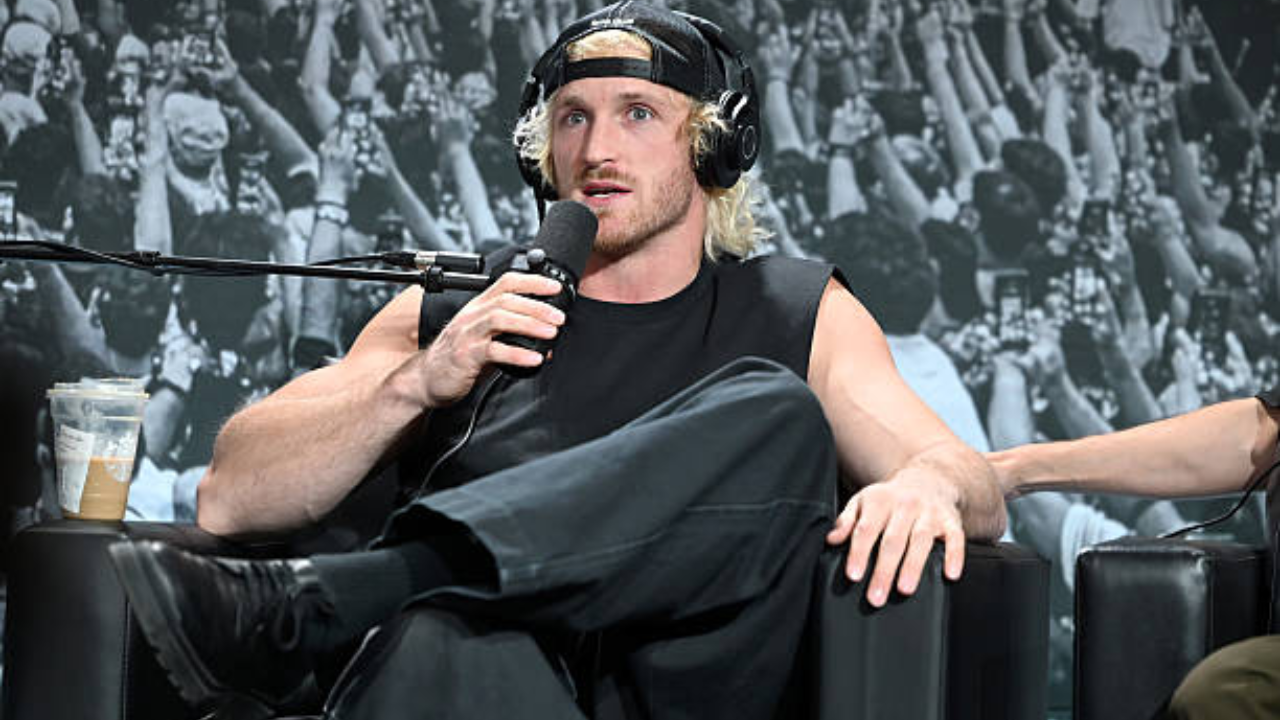
The mainstream media loves a predictable arc. When fitness influencer Conor Murphy tragically drowned in Thailand after a highly publicized mental health crisis, the tabloids immediately rushed to paste their boilerplate template onto the story. They gave you the sensationalized play-by-play: the erratic behavior, the pursuit by local authorities, the sudden, grim end in a tropical paradise. Then came the sanitizing wave of fan tributes, turning a profound psychological collapse into a tragic, romanticized martyrdom for the "Giga Chad" era.
They are all missing the point.
The lazy consensus treats this as an isolated case of a public figure losing his footing, a freak accident born of personal demons. It frames the fitness community's reaction as genuine grief. It is not. It is collective guilt wrapped in a protective blanket of denial.
We do not need another round of hollow digital eulogies. We need to dismantle the entire system that creates, exploits, and ultimately discards men like Conor Murphy. The real tragedy isn’t just how his life ended; it’s how the attention economy structurally guarantees that stories like his will keep happening.
The Illusion of Absolute Control
The core promise of the modern fitness industry is a lie. It tells young men that total dominion over the physical body equates to total dominion over the mind. If you can track every macro, hit every PR, and sculpt an elite physique, you are supposed to be bulletproof.
I have spent over a decade embedded in the high-stakes world of content creation, athletic branding, and influencer management. I have watched the machinery operate from the inside. I have seen creators with millions of followers, individuals who look like Greek gods on camera, completely disintegrate when the lens is turned off.
The industry breeds a hyper-fixation on external validation while ignoring basic psychological resilience. Conor Murphy’s early brand was built on extreme physical perfection and social experiments that played on status and attraction. When a creator’s entire self-worth is tied to an unattainable, constantly shifting digital identity, the mental foundation becomes incredibly brittle.
When that foundation cracks, the pivot is rarely toward standard clinical help. In the influencer ecosystem, traditional therapy is boring. It doesn't generate views. Instead, creators are pushed toward radical self-optimization, extreme isolation, or unmonitored spiritual and psychedelic quests in foreign countries, looking for a fast track to fix a deep-seated clinical issue.
The Audience is Not Mourning, They Are Consuming
Let’s be brutally honest about the "tributes" flooding social media. The vast majority of the commentary surrounding Murphy’s death is just another form of content consumption.
The algorithm rewards tragedy. The same audience that watched his erratic behavior for entertainment—treating a clear, documented mental health crisis as "edgy content" or "giga chad behavior"—is now using his death to farm engagement.
- Step 1: Watch a human being unravel in real-time for the shock value.
- Step 2: Leave comments debating whether it's a stunt or real.
- Step 3: Post a somber edit with slow-reverb music once the worst happens.
This is a parasitic loop. The creator feeds the audience extreme behavior to maintain relevance; the audience demands higher stakes; the creator pushes past their psychological breaking point to deliver.
We saw this coming. Anyone who understands the psychological toll of the creator economy saw this coming. When a person is experiencing a manic episode or a severe psychotic break, they do not need an audience cheering on their "awakening." They need immediate, involuntary medical intervention. But in the attention economy, intervention is bad for business.
The Danger of the Spiritual Pivot
There is a highly specific, dangerous trend among male fitness influencers who outgrow their physical primes or burn out on bodybuilding. They pivot from physical optimization to spiritual optimization.
They swap steroids and chicken breasts for ayahuascan retreats, extreme fasting, and unguided esoteric philosophies. They try to apply the same aggressive, obsessive, "all-or-nothing" mindset that built their bodies to the fragile mechanics of the human psyche.
This is where the real danger lies. You cannot brute-force your way through a psychological break using the same grit that gets you through a heavy set of squats. When you mix undiagnosed mental illness with absolute isolation in a foreign country, away from a real support network, the results are catastrophic. Thailand isn't just a destination for these creators; it has become a geographic coping mechanism for men fleeing the realities of their lives.
Dismantling the Preconceptions
People frequently ask how the fitness community can prevent these tragedies. The question itself is fundamentally flawed because it assumes the "fitness community" is a real, cohesive support structure. It isn't. It is a loose collection of fragmented algorithms designed to maximize watch time.
If you want a real solution, you have to accept a few uncomfortable realities:
1. Physical health has zero correlation with mental stability.
Stop looking at a six-pack as a sign of a well-adjusted life. Often, extreme physical dedication is a coping mechanism masking profound internal chaos.
2. De-platforming during a crisis saves lives.
Platforms need to stop monetizing and algorithmically boosting individuals who are clearly detached from reality. When an influencer starts posting content that indicates a severe mental break, the correct response isn't to let it trend under the guise of "free speech" or "entertainment." It needs to be flagged and suppressed to cut off the oxygen of public attention that fuels the mania.
3. True support is private, boring, and offline.
If you actually care about a creator going through a dark time, stop commenting on their videos. Stop sharing their breakdowns. Reach out to their management, report the content for self-harm or wellness checks, and force the reality of the situation into the open.
The Cost of the Contrarian Life
Taking this stance makes you unpopular in the fitness space. It requires admitting that the lifestyle we sell is often toxic at its core. It requires admitting that the "grindset" mentality can be a form of socially acceptable self-destruction.
The contrarian approach to mental health in the digital age isn't about giving people more self-help tips or telling them to meditate more. It’s about demanding absolute, unvarnished accountability from the platforms that profit from the descent, and the audiences that watch it like a spectator sport.
Conor Murphy’s death wasn't an inspirational tragedy or a poetic end to a wild life. It was a stark, ugly reminder of what happens when a human being becomes completely swallowed by their own digital avatar, chasing answers in the dark while the world watches and clicks like.
Stop looking for a profound lesson in the wreckage. Turn off the tribute videos. Delete the edits. Recognize the machine for what it is, and refuse to be another passive viewer in the next man's public undoing.