Dust has a specific weight when it settles on your tongue. It tastes of old brick, scorched earth, and a history you never asked to inherit. For years, that taste was the baseline of exile. You wake up in a city of gray rain or unfamiliar neon, and your mouth still remembers the red earth of Khartoum. You learn to speak a new tongue, to navigate the subterranean arteries of foreign transit systems, to fold yourself into the margins of a society that acknowledges your presence only with polite, averted eyes.
Then comes the day you look at your hands.
They are hands that have mixed mortar, smoothed wet cement, and calculated the load-bearing thresholds of structures meant to weather decades of merciless sun. They are the hands of a builder. And they are itching for a wall that needs to rise rather than a wall that keeps you out.
Consider the geography of displacement. We talk about refugees in columns of numbers, as shifting geopolitical tides or statistical anomalies measured in relief tents and border crossings. We strip away the vocational dignity of the human being. We forget that a civil war does not just shatter families; it fractures the physical lexicon of a civilization. When artillery chews through a neighborhood, it destroys the schools where children learned fractions, the hospitals where mothers gave birth, the apartment complexes where old men played chess on plastic stools until dusk.
When the shooting stops, the real work begins.
The political negotiations get the headlines. The peace accords are signed with expensive fountain pens on polished mahogany tables in neutral European capitals. Cameras flash. Diplomats shake hands. But peace on paper is a ghost. A treaty cannot pour a foundation. A ceasefire cannot reinforce a buckled steel beam.
That requires calluses.
Enter the returning architect.
Imagine standing on a stretch of cracked asphalt where your childhood home used to stand. The roof is gone. Two walls are scarred by shrapnel. The neighborhood smells of stagnation and municipal failure. Most people see an ending. A man who has spent a decade in diaspora staring at blueprint schematics in a foreign architectural firm sees a blank canvas.
This is the quiet rebellion of return.
For years, the brain drain from conflict zones has been treated as a permanent fiscal hemorrhage. The doctors, the engineers, the builders—they flee. They find safety in London, in Cairo, in Toronto. They build other people's skylines. They engineer bridges that span rivers they did not fish in as boys. It is an act of survival. No one has the right to judge a father who chooses a quiet, boring safety for his daughter over a hero's grave in a contested street.
Yet something shifts in the marrow over time. The safety begins to feel like a cage made of glass. You can see through it, you can breathe inside it, but you cannot touch anything real. Every skyscraper you help design in the West feels like an abstraction, a monument to a life you are only half-living.
So you pack a duffel bag. You buy a one-way ticket. You return to a city with rolling blackouts, erratic water mains, and a currency that bleeds value by the hour.
Why?
Because of the architecture of belonging.
When a Sudanese refugee trades the predictable comfort of exile for the blistering heat of reconstruction, he is not driven by naive romanticism. He knows the electricity grid fails. He knows the bureaucracy is a labyrinth designed by Kafka. He goes anyway because building a wall in your own land is an act of profound reclamation. It says: I am here. The past did not erase me.
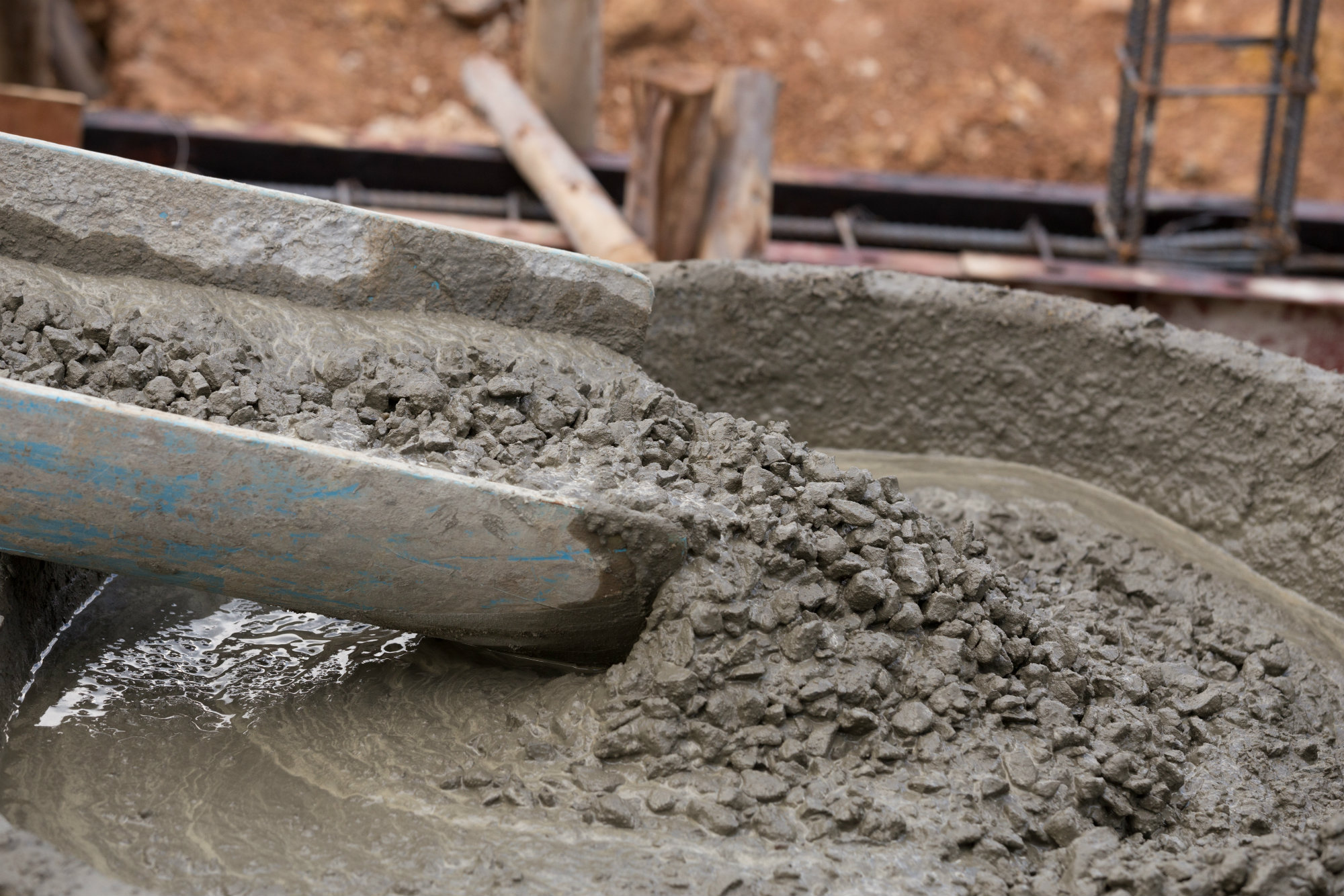
Look at the logistics of rebuilding a shattered metropolis. It is a grueling orchestration of scarcity. Cement is expensive. Heavy machinery is often requisitioned or broken. Skilled labor is scarce because the young men either left or died. Every brick laid is a minor miracle of improvisation. You learn to use what is at hand. You adapt foreign techniques to local realities. You teach twenty-year-olds who have never held a trowel how to lay a true course.
In doing so, you are not just constructing buildings. You are reconstructing social cohesion.
Architecture is community made visible. When a school rises from the rubble under the direction of an engineer who knows what it means to be stateless, that building holds a different kind of strength. It is engineered to withstand more than seismic tremors; it is engineered to withstand despair. The children sitting in those classrooms are looking at steel beams hauled by someone who walked the same thorny path they did. The message is silent, absolute, and indelible: We can make things stand up again.
The international community loves stories of rescue. We prefer our refugees to be victims waiting for a savior, objects of charity who weep gratefully into television lenses. We are deeply uncomfortable with the refugee who refuses to stay rescued, who packs up his expertise and walks back into the fire not to die, but to construct.
That discomfort stems from our addiction to narrative neatness. We want wars to have clear endings and migrations to be permanent losses. Reality is messier. History is cyclical, messy, and stubbornly human. The people who fled the violence are often the exact ones equipped with the technical fluency required to heal the scars left behind.
Consider the sheer psychological weight of returning. Your old friends look at you with a mixture of admiration and quiet bewilderment. You left safety? You came back to this chaos? They are tired. They have lived the daily grind of survival while you were away studying foreign building codes and modern urban planning. There is friction. There is the inevitable cultural disconnect between the diaspora and those who stayed.
You have to earn your place back in the dust. You cannot simply drop Western solutions onto a fundamentally different socio-economic ecosystem. Pride is a liability on a construction site. You listen. You sweep the floors. You drink bitter coffee with local contractors until dawn, figuring out how to source materials when supply chains are fractured.
Gradually, the friction turns into mortar.
The building goes up. One story. Two stories. A concrete skeleton taking shape against the copper sky of the Sahel.
When the first roof is finally sealed, the neighborhood gathers. There are no speeches. No ribbon-cutting ceremonies with politicians in pressed suits. Just a few neighborhood elders, some young apprentices wiping sweat from their foreheads, and an engineer running his palm over a cool, solid column of reinforced concrete.
It is straight. It is level. It will hold.
Out in the wider world, stock markets fluctuate, borders tighten and loosen, and pundits pontificate endlessly on the global migration crisis. They draw maps with red arrows pointing this way and that, treating human lives like spilled ink.
Meanwhile, down on the ground, the real work is happening. The bricks are being laid. The foundations are sinking deep into the bedrock. The exiles are coming home, not to weep over the ruins, but to measure them, clear them, and build something better out of the dust.