Natural disasters test governments in ways campaign trails never quite capture. Freshly inaugurated Colombian President Abelardo de la Espriella found himself staring down an absolute catastrophe just days into his term. A powerful 7.4-magnitude earthquake ripped through western Colombia, flattening thousands of homes, killing nearly 300 people, and leaving local economies gasping for air.
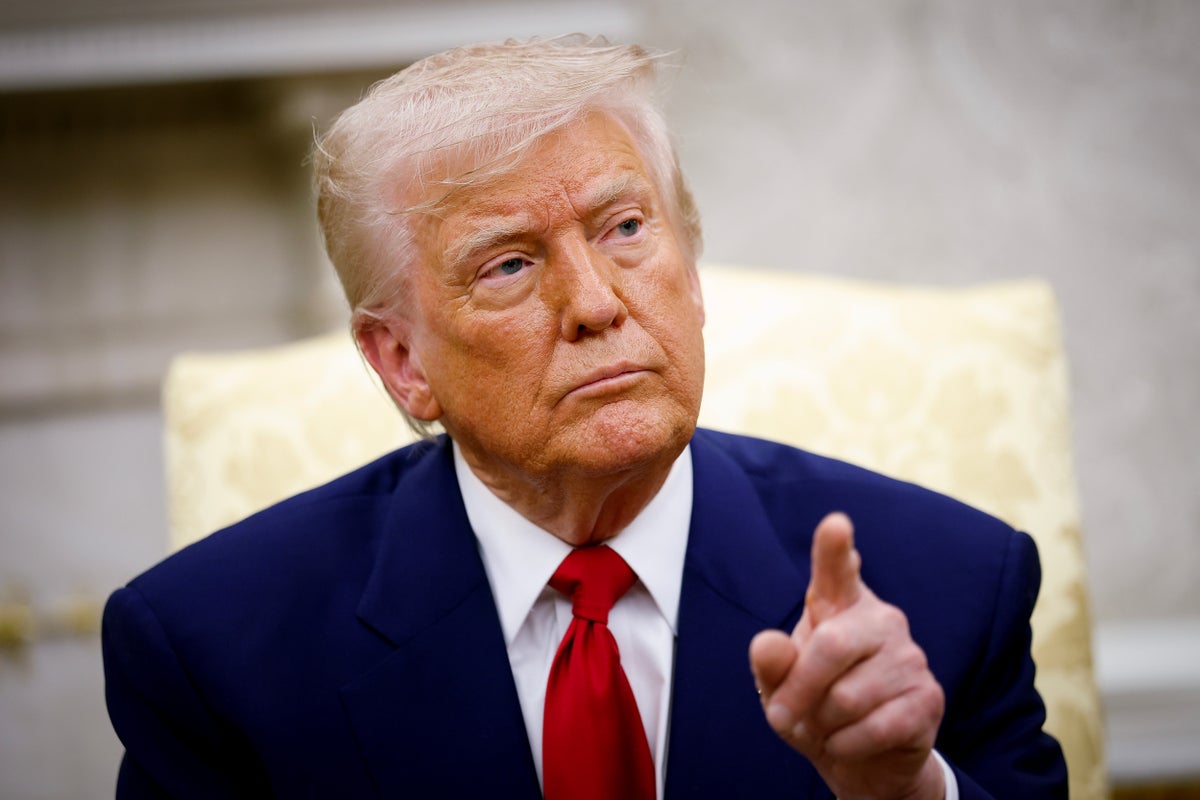
Facing an apocalyptic financial recovery effort, de la Espriella picked up the phone and called U.S. President Donald Trump. His mission was direct: press the White House to pause punishing trade tariffs that are bleeding Colombian businesses dry when they can least afford it.
The Trade Pressure Crushing Local Businesses
The timing couldn't be worse. Back in late July, U.S. tariffs on Colombian goods jumped from 10% to 12.5%. While commodities like oil and coffee retained certain exceptions, the broader import levies hit countless local manufacturers and exporters under Section 301 provisions.
De la Espriella didn't mince words about the stakes. During a ten-minute phone call that he described as warm and cordial, he laid out the grim economic reality on the ground. Business owners are trying to salvage operations amid shattered infrastructure. Adding a 12.5% tax wall on exports straight into their primary foreign market creates an uphill battle that threatens to choke off recovery before it even starts.
You have to look at the political chess board here, too. De la Espriella secured office riding a wave of conservative momentum, heavily backed by Trump during a tense runoff election. Unlike his predecessor Gustavo Petro, whose anti-establishment rhetoric kept Washington at arm's length, de la Espriella aligned himself directly with U.S. regional strategy, joining the anti-cartel "Shield of the Americas" alliance.
Ground Zero in Western Colombia
The raw numbers behind the disaster paint a brutal picture. The epicenter struck deep within Chocó, ranking among the poorest departments in the nation. From there, shockwaves devastated urban centers like Cali, Pereira, and Quibdo.
- Nearly 300 lives lost
- Close to 4,000 individuals injured
- Over 14,000 homes completely destroyed
- More than 81,000 structures damaged
Rescue workers spent frantic days digging through rubble in Cali, chasing the fading window to find survivors. While the U.S. State Department stepped up with $26.5 million in immediate humanitarian aid—supplying food, emergency shelters, and medical gear—cash-strapped local enterprises argue that real relief requires structural economic breathing room, not just temporary aid packages.
What Happens Next for Trade and Diplomacy
Trump offered standard condolences during their conversation, but the White House has yet to issue a formal policy response regarding the tariff suspension request. Suspending trade penalties would require political capital and a willingness to carve out specific exemptions that run counter to the administration's aggressive protectionist posture.
Yet, diplomacy is built on alliances. De la Espriella staked his political identity on being Washington's reliable partner in South America. Now, he's cashing in that political capital immediately to save his country's commercial backbone. Whether the White House views this tragedy as a valid reason to pause trade enforcement will test the actual value of those high-level political friendships.
Stop treating trade policy as a sterile spreadsheet exercise. When entire cities collapse into dust, rigid economic rules either bend or break under the weight of human need.