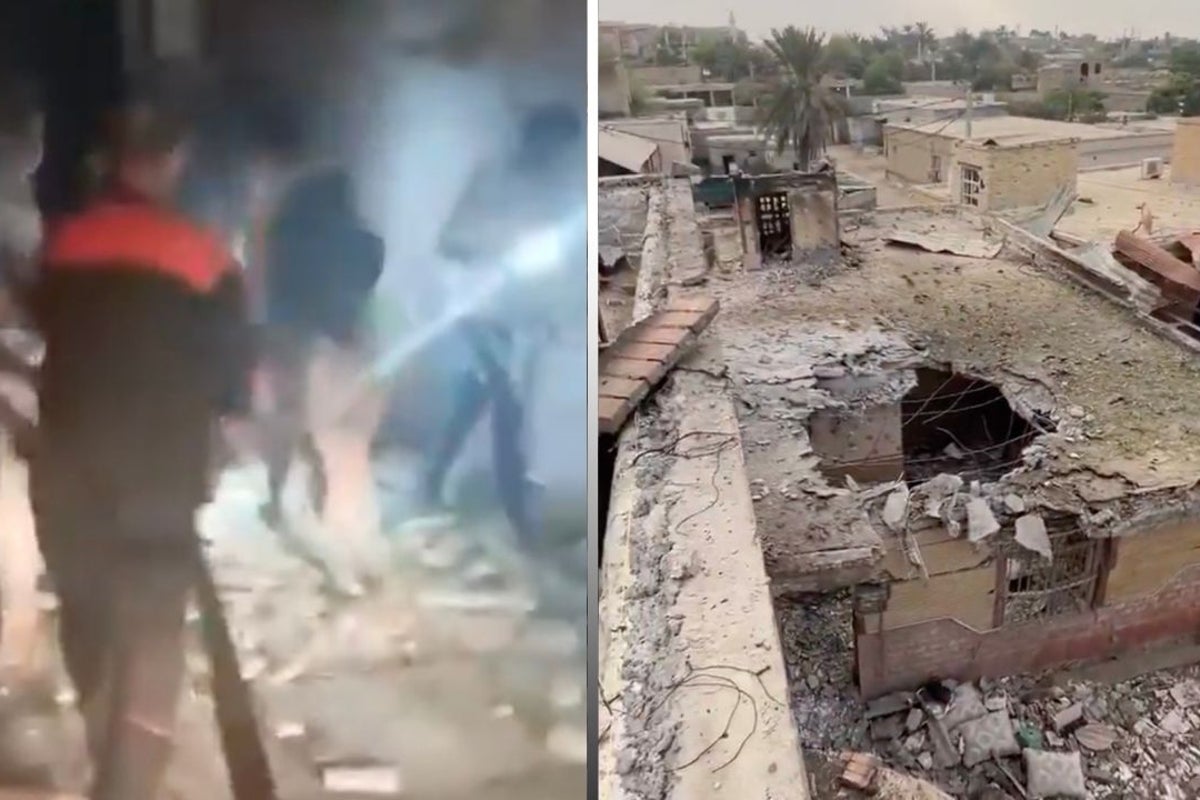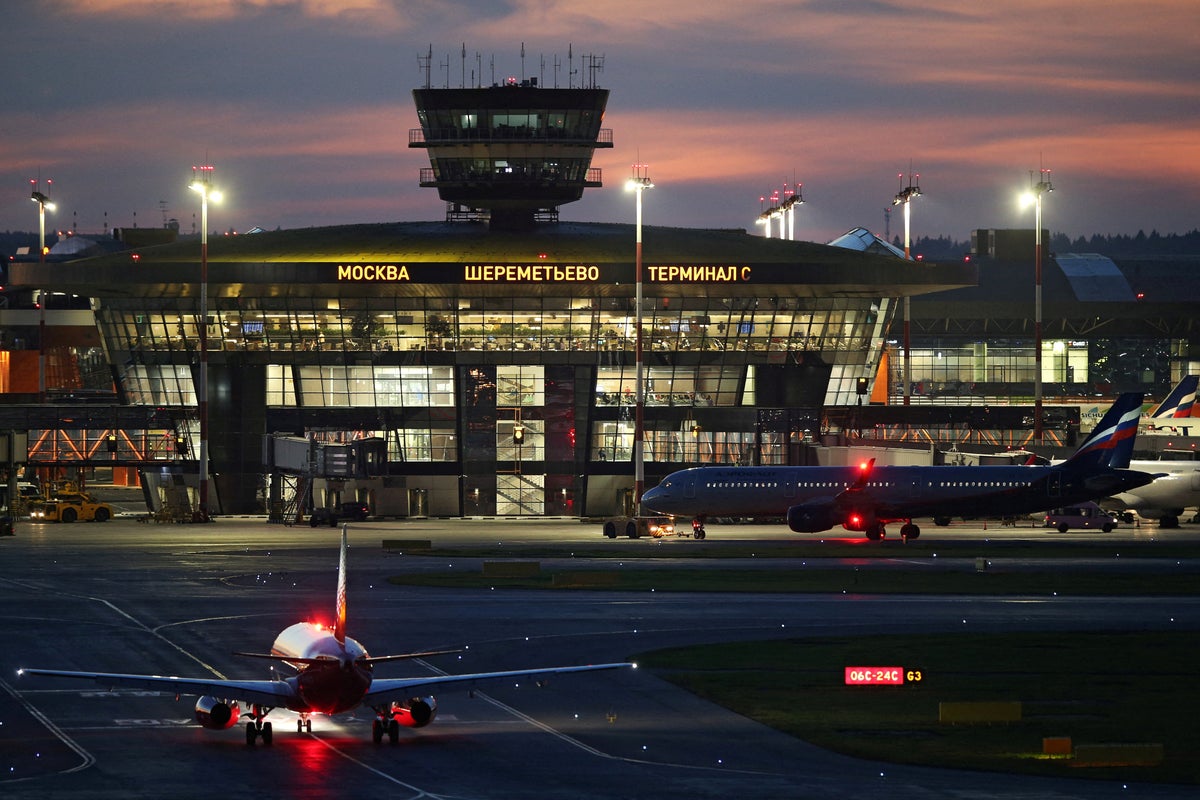
The headlines scream about airspace threats, grounded commercial jets, and tactical retaliations. Every mainstream outlet treats Kyiv asserting dominance over Russian flight corridors as a strategic turning point. They want you to believe that pinching civilian aviation routes and threatening flight paths will somehow choke the Kremlin into submission.
It is lazy analysis wrapped in wartime theater.
If you think a few cancelled domestic routes or tit-for-tat airspace restrictions change the fundamental calculus of this conflict, you are watching the scoreboard while missing the game entirely. I have spent years tracking how logistics and industrial capacity dictate the lifespan of modern states, and I can tell you right now that commercial flight disruptions are mere static. They do not alter supply chains, they do not starve military treasuries, and they certainly do not shorten the timeline of a war built on attrition.
Let us dismantle the core misconception driving current commentary: the idea that civilian inconvenience equals strategic pressure.
The Illusion of Aviation Leverage
Mainstream military analysts love to talk about airspace sovereignty as if drawing a red line on an aeronautical chart automatically stops an economy. When restrictions hit, commentators point to the immediate economic friction—rerouted cargo, burnt jet fuel, bruised national pride—and mistake it for structural damage.
It is a profound misunderstanding of how a wartime command economy operates.
Russia does not run on commercial tourism or frequent flyer miles. Its fiscal engine is subterranean and metallurgical. Oil flows through subterranean pipelines to tankers skirting sanctions in international waters. Rare earths, grain, and heavy machinery move by rail across sprawling Eurasian land corridors that care nothing for the altitude restrictions of commercial airliners.
When domestic flights are cancelled or redirected, citizens experience frustration, but the state apparatus rolls forward. To believe that denying passenger planes a corridor forces a regime change is to misunderstand the resilience of a nation that treats its populace as an acceptable shock absorber.
The Logistics Reality Nobody Wants to Print
Let us look at the data that actually matters. Modern industrial war is a math problem involving steel, propellant, microelectronics, and body count.
Imagine a scenario where every single commercial aircraft in Western Russia is permanently grounded tomorrow. Does a single artillery shell fail to roll off a factory line in Izhevsk? Does a single barrel of Ural crude stay trapped in the wellhead? No. The domestic transport network pivots. Rail lines absorb the overflow, trucks burn subsidized diesel, and the war machine keeps feeding.
We saw this playbook during the Cold War, and we see it now. Centralized states operating under severe sanctions do not collapse because their citizens have to take a twelve-hour train ride instead of a two-hour flight. They adapt by doubling down on domestic supply chains and accepting higher frictional costs.
The media focuses on the airspace because it is visible, dramatic, and easily captured in a 30-second broadcast loop. But the real war is fought in logistics nodes thousands of miles away from passenger terminals, in factories operating twenty-four hours a day without regard for international aviation treaties.
The Cost of Tactical Distraction
By focusing on the theater of airspace skirmishes, allied planners risk falling into a classic trap: treating symptoms while ignoring the pathogen.
When political leaders trade threats about closing skies, they consume precious diplomatic capital on symbolic victories. Every hour spent negotiating flight bans or analyzing retaliatory route closures is an hour stolen from addressing the fundamental industrial mismatch of this conflict.
The blunt truth is that industrial capacity outproduces diplomatic pressure every single time. If one side can manufacture artillery shells faster than the other can secure long-term supply lines, airspace declarations are nothing more than expensive posturing.
I have watched companies and governments blow millions on symbolic gestures designed to look decisive on evening news broadcasts while ignoring the slow, unsexy work of structural reinforcement. It feels good in the moment. It plays well to domestic audiences desperate for signs of immediate progress. But it changes nothing on the front line where mud, metal, and mortar dictate reality.
The Question Nobody is Asking
People keep asking when the airspace restrictions will force a breakthrough. That is the wrong question entirely.
The right question is whether the coalition backing Ukraine possesses the industrial stamina to outlast a adversary that measures success in decades rather than election cycles.
If your strategy relies on civilian inconvenience causing a political uprising inside a heavily policed state, your strategy is built on a fairy tale. Real pressure requires denying the adversary access to hard currency and industrial inputs at scale, not clipping the wings of domestic airlines.
Stop looking at the flight tracker apps. Stop treating every cancelled route as a strategic earthquake. Look at the balance sheets, look at the factory outputs, and look at the raw material flows. Until those numbers shift decisively, everything else is just noise designed to keep you distracted while the grinding match continues unabated.