You walk into your local pub, order a pint of dry craft cider, and notice the price has crept up again. You probably figure it's just inflation or corporate greed. It's actually much worse than that. Orchard owners across major cider-producing regions are dealing with severe weather anomalies, and the raw fruit supply has cratered. When extreme weather hits heritage orchards, the entire supply chain fractures.
We aren't just looking at a bad harvest year. We are looking at a structural crisis in the cider industry that will change what you drink for the next decade.
The Brutal Reality Of Orchard Management
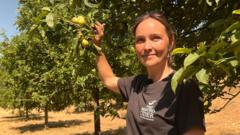
Growing cider apples isn't like growing supermarket dessert apples. You can't just water them heavily or pump them full of synthetic fertilizers and expect good results. Real cider fruit requires specific chill hours, precise soil composition, and mature trees that take decades to bear fruit with the right tannins and acidity.
Last year's brutal droughts and erratic spring frost patterns destroyed huge swaths of crop yield. When trees experience severe water stress, they drop their fruit prematurely to survive. The apples that do hang on often lack the sugar content and chemical balance needed for a clean fermentation.
Farmers aren't complaining for the sake of it. They're watching centuries-old trees die from cumulative drought stress.
- Root systems can't reach receding water tables.
- Unseasonal warm snaps trick trees into blooming too early.
- Late frosts wipe out the fragile blossoms before bees can pollinate them.
It takes years to establish a new orchard. You can't just plant a seed and harvest cider apples next autumn. That means supply deficits stretch out for years, not months.
Why Mass Market Brands Are Panicking
Big industrial cider makers have options. They can source juice concentrate from overseas, dilute their recipes with cheap water, or load the liquid with artificial acids and flavorings to mimic the taste of real fruit.
Small craft producers don't have those safety nets. They rely on local orchards, heirloom varieties like Dabinett and Kingston Black, and traditional pressing methods. When local farmers harvest barely any apples, independent cideries face an impossible choice. They can either triple their bottle prices or shut their doors entirely.
Most consumers don't realize how fragile this ecosystem is. We've been spoiled by cheap, mass-produced alcohol that treats agricultural ingredients like interchangeable widgets. Real cider is agricultural. It depends entirely on sky, soil, and weather.
If you want to understand why your favorite small-batch producer keeps selling out or disappearing, look at the weather reports from the growing regions. The math is brutal.
How To Adapt Your Drinking Habits
You need to change how you buy and drink cider if you want the good stuff to survive. Stop treating craft cider like a cheap backyard beverage. Treat it like natural wine.
Pay attention to vintage dates. Just like grapes, apple quality fluctuates wildly year to year. A 2024 vintage might taste completely different from a 2025 vintage because of weather shifts.
Support local orchards directly. Buy bottles from makers who own their land or have direct, long-term contracts with regional growers. Avoid brands that rely on mystery juice imports from anonymous bulk brokers.
Drink dry, traditional ciders. They require actual juice and real fermentation expertise, unlike the sweet, sugary commercial alternatives that rely on corn syrup and flavor packets.
The industry is shrinking, but the quality of what survives will define the future. Pay more, drink less, and appreciate the fact that you're holding liquid history in your glass.