The foreign policy commentariat loves a clean narrative. They want a neat little story where a newly elected leader flips a switch, pivots away from the second-largest economy on earth, and runs straight into the arms of Washington. It makes for great television. It also happens to be complete nonsense.
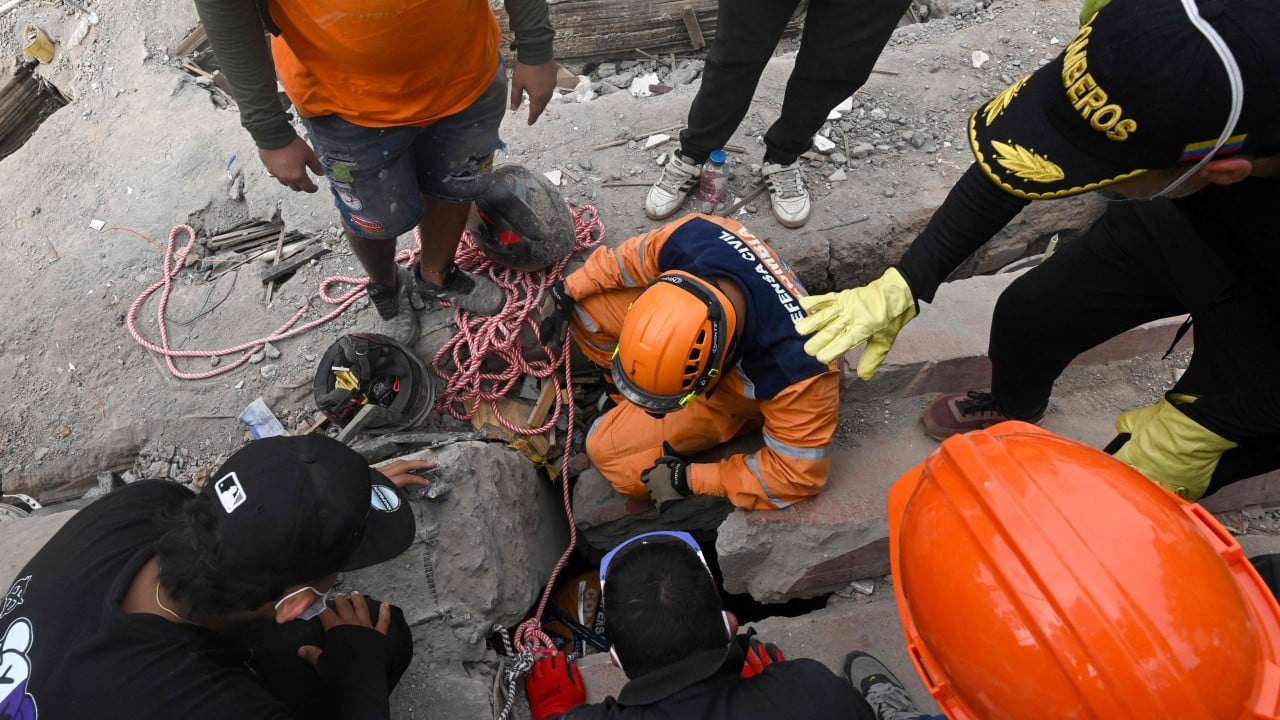
When disaster strikes a country, and a foreign rival steps in with humanitarian aid, the mainstream pundits immediately sound the alarm bells of geopolitical theater. They look at Beijing sending earthquake relief to Bogotá and spin a yarn about desperation, loss of influence, and a frantic scramble to stay relevant while a new administration recalibrates its foreign policy.
They have it entirely backwards.
I have watched diplomats panic over press releases while actual trade infrastructure gets bolted down in concrete. The lazy consensus assumes that foreign policy is a high school romance where you break up with one partner to hold hands with another. Real sovereign states do not operate on playground logic. They operate on balance sheets, commodity flows, and pragmatism.
The Myth of the Zero Sum Foreign Policy
Let us dispense with the amateur hour framing that a nation must choose between Washington and Beijing. Sovereign governments in Latin America are not waiting around to see which superpower gets their stamp of approval. They are playing a multi-vector game.
When a quake hits, aid is not a strategic chess move designed to rescue a floundering diplomatic strategy. It is standard operating procedure for any global player with a stake in regional stability. Beijing does not need Colombia to pledge eternal allegiance because of a few plane loads of emergency supplies. They understand a far more cynical reality that Washington’s think tanks refuse to admit: economic gravity wins every single time.
You can tour Western capitals and talk about values all day long, but when your country needs heavy machinery, infrastructure financing, and a voracious buyer for your agricultural exports, lectures do not pay the bills. The narrative that a change in the executive mansion in Bogotá instantly rewires decades of ports, roads, and supply chain integration is born of pure ignorance.
Follow the Balance Sheet Not the Press Releases
Let us look at what actually happens on the ground versus what makes it into morning briefings.
Pundits love to hyperventilate over rhetorical shifts. A leader gives a speech hinting at a recalibration of international partnerships, and Wall Street analysts start writing panic notes about abandoned bilateral treaties. This is amateur hour. While the talking heads argue on cable news, cargo vessels keep moving through deep-water ports.
I have seen companies blow millions trying to second-guess geopolitical noise while ignoring the dull, unsexy mechanics of logistics. Countries do not sever commercial ties because a new administration prefers a different flavor of rhetoric. Colombia needs capital. China has capital looking for yield. That transaction does not care who is sitting in the presidential palace.
When foreign ministries deploy disaster relief, they are maintaining a baseline presence. It is risk mitigation. To frame this as a desperate bid to win back a straying partner is to misunderstand the sheer scale of modern statecraft. Beijing plays a multi-decade game. They are not sweating a four-year political cycle.
The Real Danger of Washington Exceptionalism
The most damaging delusion in foreign affairs is the belief that everyone wants to copy your political model. Western observers look at international aid through a lens of moral validation. We help, therefore we influence. We lecture, therefore we lead.
This is a dangerous trap.
When you assume that a nation's foreign policy is entirely derivative of its relationship with you, you miss the actual levers of power. Colombia’s foreign policy is not an appendage of Washington's strategic desires, nor is it a wholly owned subsidiary of Beijing's Belt and Road initiative. It is fiercely independent, transactional, and relentlessly focused on domestic survival.
If a government faces a natural disaster, accepts help from anyone willing to fly a plane in, and simultaneously pursues diplomatic talks with Western allies, that is not hypocrisy. That is competence. The expectation that developing nations must pass ideological purity tests to receive assistance belongs in the last century.
Why the Pivot Narrative Sells
Why does this lazy narrative persist? Simple. It keeps the foreign policy apparatus in business.
If you convince editors and readers that every single diplomatic gesture is an existential battle for regional supremacy, you create perpetual demand for analysis. Every tremor is an omen. Every handshake is a betrayal. Every humanitarian mission is a Trojan horse.
It is exhausting, and it is wrong.
Real geopolitical competition is boring. It looks like standard trade negotiations, bureaucratic wrangling over customs standards, and quiet financing deals finalized in windowless rooms. It does not look like a dramatic cinematic showdown between democratic values and authoritarian capital.
The next time you read a breathless dispatch about a country caught between superpowers, ask yourself who benefits from making the situation look like a crisis.
Stop looking for dramatic pivots where none exist. Look at the balance of trade. Look at the infrastructure investments. Look at the debt ledgers. Everything else is just noise designed to fill column inches.
The sooner we accept that emerging economies are driving their own buses rather than riding shotgun for Washington or Beijing, the sooner we can stop writing fairy tales and start dealing with the world as it actually is.


