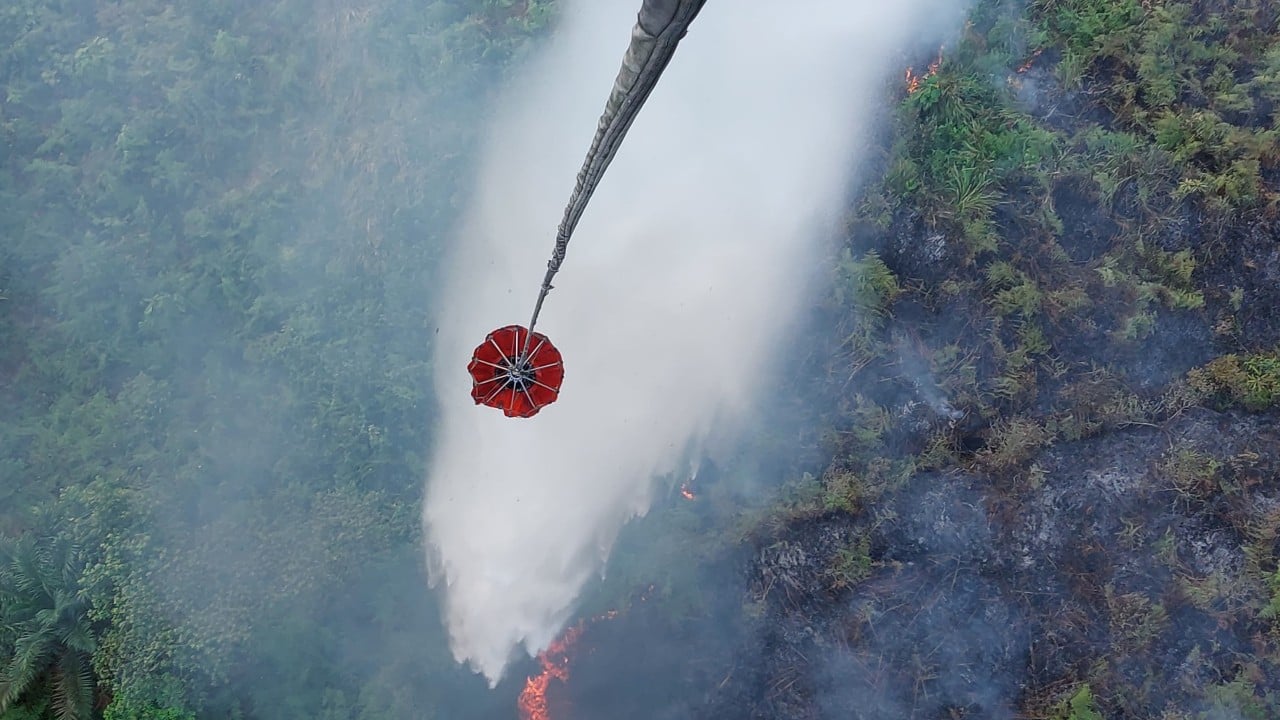
Tens of thousands displaced. Entire neighborhoods swallowed by murky brown water. Millions of dollars in infrastructure erased in a matter of hours. The harrowing scenes emerging from southern China are a stark reminder of an escalating ecological emergency. Heavy seasonal rainstorms have triggered catastrophic flooding across the Pearl River basin and surrounding provinces, paralyzing supply chains and forcing massive emergency evacuations. Yet treating this disaster as a mere act of God misses the structural reality. The floods in China's south are not just a meteorological anomaly. They are the predictable intersection of extreme weather patterns and decades of relentless, concrete-heavy urban expansion that has systematically stripped the land of its natural capacity to absorb water.
Behind the dramatic rescue footage of boats navigating submerged city streets lies a complex economic and engineering crisis. When rapid industrialization meets unyielding geography, the consequences ripple far beyond local provincial borders. Factories halt production. Agricultural yields face severe degradation. Global logistics networks feel the immediate shockwaves of regional port disruptions and rail line closures. Understanding how southern China arrived at this precarious juncture requires looking beneath the surface of official disaster reports to examine the friction between modern economic ambitions and ecological limits.
The Engineering Failures Beneath the Surface
For decades, local governments across Guangdong, Guangxi, and neighboring provinces pursued economic growth through aggressive land conversion. Wetlands were drained. Natural floodplains were paved over to build manufacturing hubs, massive housing complexes, and sprawling transport networks. Planners relied heavily on conventional drainage engineering, assuming that bigger concrete channels and higher seawalls could permanently tame seasonal monsoons. That assumption has officially expired.
Extreme rainfall events are defying historical statistical models. When millions of gallons of water drop onto impervious urban surfaces in a matter of hours, the drainage infrastructure simply cannot cope. The water has nowhere to go. It backs up through storm drains, overflows riverbanks, and turns major thoroughfares into raging torrents.
Traditional flood control relied on keeping water out through sheer structural force. Levees, dams, and concrete embankments alter natural river dynamics, often creating a false sense of security that encourages even more development in high-risk zones. When those barriers fail, the destruction is catastrophic precisely because the built environment has eliminated natural buffer zones.
Economic Fallout and Supply Chain Tremors
The human toll of these displacements is devastating, but the economic collateral damage is equally profound. Southern China serves as a central engine for global manufacturing and export. When cities like Guangzhou, Shenzhen, or regional manufacturing centers experience severe inundation, global supply chains feel the tremors immediately.
Factory floors sit under feet of water. Raw materials are ruined. Electrical grids suffer catastrophic failures, cutting power to industrial parks that supply everything from consumer electronics to heavy machinery. Transport arteries face severe bottlenecks. Highways wash out, rail links suspend operations, and regional ports experience significant handling delays as vessel traffic is restricted or halted altogether.
International corporations that spent years optimizing their logistics around just-in-time delivery models are discovering the vulnerability of concentrated manufacturing geography. Diversification has become an urgent priority, yet shifting complex supply chains away from established industrial clusters is neither fast nor cheap. Every time severe weather paralyzes southern manufacturing hubs, the hidden costs of geographic concentration are laid bare for global markets to absorb.
The Shift Toward Sponge Cities and Its Limits
Recognizing the unsustainability of traditional concrete-heavy flood management, regional planners have increasingly turned to alternative methodologies. The most prominent among them is the sponge city initiative. This urban design framework aims to capture, store, infiltrate, and purify rainwater naturally using ecological patches like permeable pavements, rooftop gardens, urban wetlands, and restored retention basins.
The theory is sound. Instead of fighting water with concrete, cities should absorb it like a sponge, releasing it slowly back into the environment. Several pilot programs in various urban centers have demonstrated notable success in reducing localized street flooding during moderate storms.
Scale remains the ultimate bottleneck. Retrofitting sprawling, densely populated megacities with ecological infrastructure is an astronomical undertaking. You cannot easily tear up established transit lines, high-rise foundations, and underground utility grids to recreate natural wetlands. While sponge city principles offer a viable roadmap for future expansion, they represent a drop in the bucket compared to the millions of hectares of impermeable surfaces already locked into place across southern China.
The Climate Reality Check
Meteorological data confirms that monsoon seasons are growing more erratic and intense. Rising global temperatures increase the atmosphere's capacity to hold moisture, turning standard rainstorms into torrential downpours with alarming frequency. Southern China sits squarely in the crosshairs of these shifting atmospheric dynamics, facing a future where historical flood baselines are rendered entirely obsolete.
Governments at every level are forced to rethink risk mitigation. Evacuation protocols are improving, and early warning systems provide critical hours of lead time that undoubtedly save thousands of lives. Yet early warnings do not prevent property destruction. Relocation strategies, land-use zoning reforms, and massive capital investments in resilient infrastructure are now matters of immediate economic survival rather than long-term policy debates.
The waters will eventually recede from the streets of the south, leaving behind layers of mud, structural damage, and staggering financial tallies. Rebuilding exactly as before is no longer an option if the region hopes to withstand the next inevitable deluge. The true test for policymakers will be whether they possess the political will to prioritize ecological resilience over rapid, unchecked expansion when the emergency headlines fade from view.