When a visiting delegation of US congressional advisers packed their bags for Beijing recently, they likely expected the usual corporate handshakes and polished PR talking points. Instead, they hit a brick wall. China's top artificial intelligence firms gave them the cold shoulder, turning down requests for meetings and leaving foreign observers scrambling to decode the snub.
This isn't just standard geopolitical posturing. It’s a loud signal that Beijing's approach to tech diplomacy has shifted from open curiosity to defensive caution. As Washington debates sweeping restrictions on open-weight models and hurls accusations of industrial-scale data distillation, Chinese tech giants are pulling up the drawbridge. For an alternative perspective, check out: this related article.
The Closing Doors of Beijing
For years, exchange programs and fact-finding delegations operated as a routine valve for releasing pressure between the world's two superpowers. American policy advisors could tour campuses, chat with lead developers, and gauge the velocity of foreign innovation firsthand.
Those days are effectively over. By refusing to sit down with US congressional staffers, domestic tech firms are aligning closely with Beijing's tightening grip on national security. When frontier algorithms become matters of state survival, welcoming foreign investigators starts looking less like diplomacy and more like an unnecessary risk. Further reporting on this trend has been shared by MIT Technology Review.
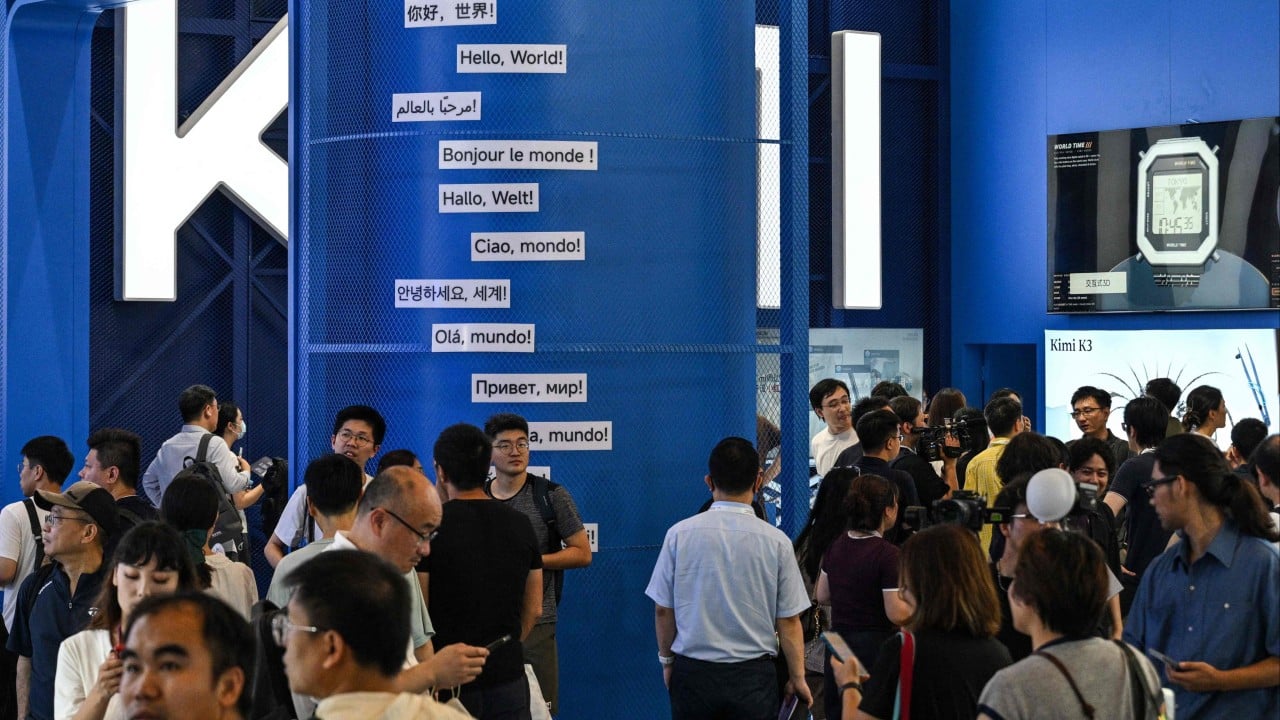
You can't separate this cold shoulder from the broader regulatory war playing out across the Pacific. Washington is actively weighing how to choke off American adoption of Chinese models like DeepSeek or Moonshot's Kimi K3, with officials warning about code theft and covert training practices. When American policy circles talk openly about weaponizing regulations to create fear, uncertainty, and doubt, you shouldn't be surprised when Chinese executives stop returning phone calls.
Caught in the Crossfire of Model Wars
The irony is thick. While tech executives in Silicon Valley scream about government overreach, Chinese labs are battening down hatches to protect proprietary breakthroughs. Nearly two hundred US startups recently petitioned the White House not to outlaw Chinese open-weight software, warning it would crush domestic competition. Yet, at the exact same time, high-ranking officials in Washington are accusing those same Chinese creators of illicit model distillation.
Beijing sees this hostility and responds with calculated isolation. If every technical exchange gets weaponized as a counterintelligence threat or a copyright violation hearing on Capitol Hill, domestic firms have zero incentive to play tour guide.
This defensive posture risks sealing both nations inside separate technology echo chambers. When communication channels shrink, misunderstandings multiply. Safety standards that require cross-border collaboration—like managing the risks of recursive self-improvement or autonomous cyber threats—become nearly impossible to negotiate.
What This Means for the Global Market
If you're building software or managing enterprise infrastructure, this diplomatic freeze has immediate practical consequences. The friction between Washington and Beijing guarantees that software supply chains will stay volatile. Relying blindly on any single jurisdiction's toolset is a gamble.
Smart engineering teams are diversifying their architectures right now. They aren't waiting for politicians to sort out trade summits or security briefings. They are building localized fallback systems, auditing their open-source dependencies, and planning for a future where cross-border tech sharing dries up entirely.
The cold shoulder in Beijing isn't a temporary tantrum. It’s the baseline reality of a fractured digital landscape. Treat your tech stack accordingly and stop expecting diplomatic breakthroughs to save your deployment strategy.