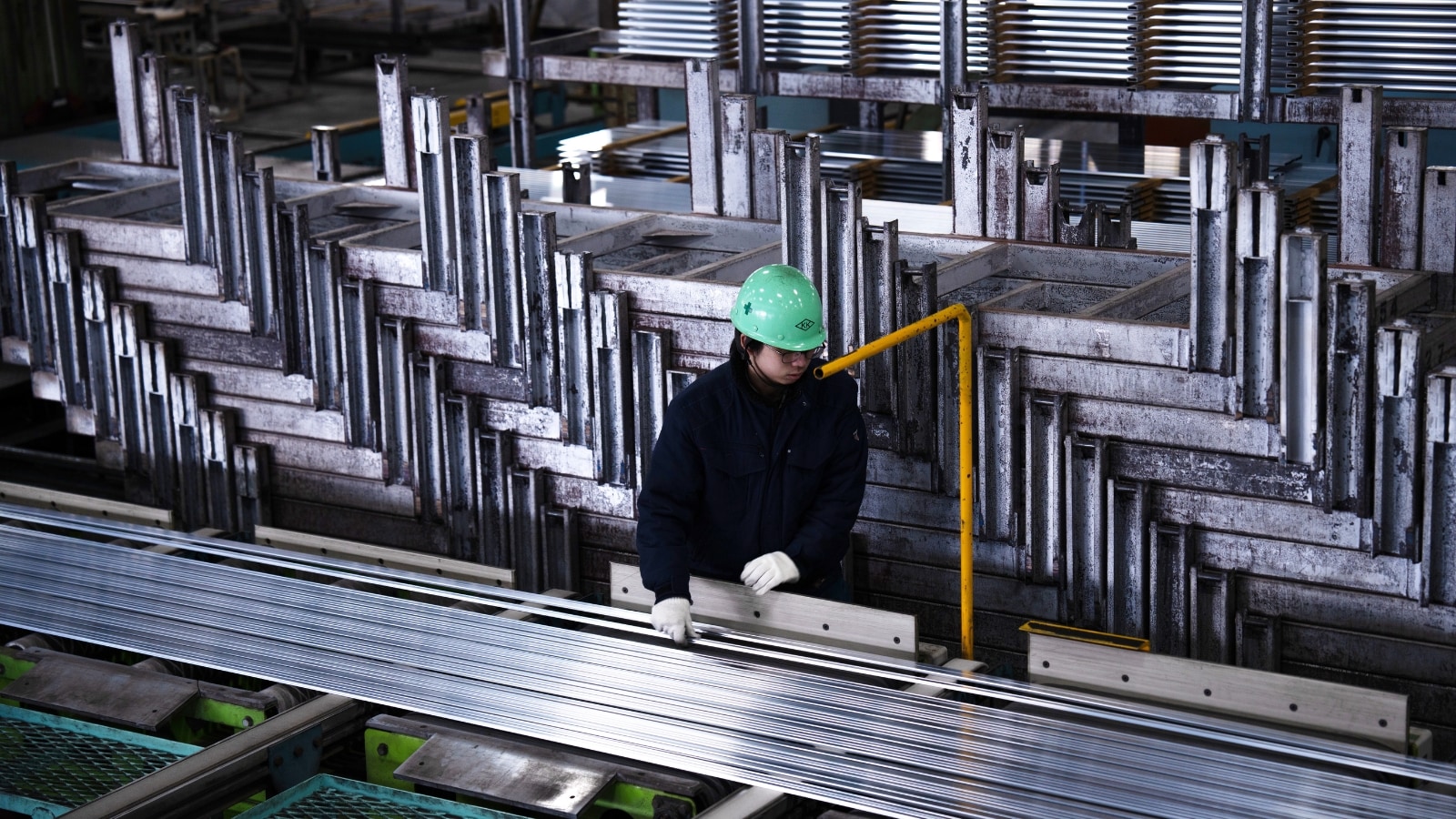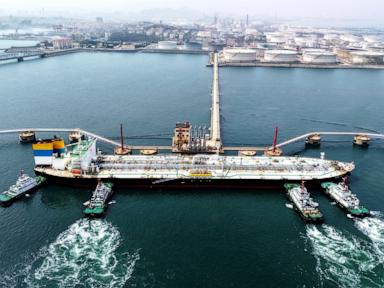
China’s industrial machine is doing something nobody expected. While the Middle East burns and the Iran war enters its seventh week, the world's second-largest economy just posted its second straight month of factory expansion. You'd think a global energy shock and a shuttered Strait of Hormuz would've flatlined Chinese manufacturing by now. It hasn't.
Actually, the latest numbers show a weirdly resilient picture. The official manufacturing Purchasing Managers' Index (PMI) hit 50.3 in April. Sure, it’s a tiny dip from March’s 50.4, but in the world of economic data, anything above 50 is a win. Even more surprising? Private data from S&P Global and RatingDog—which focuses on the smaller, scrappier export firms—shot up to 52.2. That’s the fastest growth since late 2020.
But don't get it twisted. This isn't a "business as usual" situation. Under the surface, China's factories are frantically adjusting to a world where oil is expensive and shipping is a nightmare.
The Secret Driver Behind the Expansion
If you’re wondering how factories stay busy while fuel costs spike, the answer is "front-loading." Buyers in Europe and the U.S. are scared. They’ve seen what war does to supply chains, so they’re placing massive orders now to get goods out before shipping lanes get even more chaotic or prices climb higher.
- New Export Orders: This sub-index hit 50.3, the highest in two years.
- Production Speed: The production sub-index actually rose to 51.5.
- Green Tech Boom: Ironically, the war-driven oil spike is a gift for China’s green energy sector. Global demand for solar panels, EVs, and wind turbines has exploded as countries try to ditch fossil fuels.
Basically, the "Fear Factor" is currently keeping the assembly lines moving. But "panic buying" isn't a long-term economic strategy. Eventually, those warehouses will be full, and if the Iran war keeps dragging on, that export demand is going to hit a wall.
High Costs and Slim Margins
I've got to be honest—the cost side of this data is ugly. Input prices are through the roof. The gauge for raw material prices is sitting at a staggering 63.7. When oil and chemicals get this expensive, it eats the profits of every factory from Shenzhen to Shanghai.
Manufacturers are trying to pass these costs on to you. For the first time in years, we’re seeing output prices rise at their fastest rate since 2021. But they can’t pass it all on. If a toy factory in Guangdong raises prices by 30%, their American buyer might just cancel the order. It’s a high-stakes game of chicken with inflation, and many smaller shops are already feeling the squeeze.
Where the Cracks are Showing
It’s not all sunshine and rising PMIs. While big state-owned factories are holding steady, the rest of the economy is wobbling:
- Consumer Slump: While factories are humming, the people inside them aren't spending. Retail sales are underperforming.
- Job Market Blues: Employment isn't recovering. Factories are cautious about hiring. They’d rather make their current staff work overtime than add new names to the payroll while a war is raging.
- Services Slump: The non-manufacturing PMI—which covers things like construction and services—actually dropped into contraction territory at 49.4.
The Trump Factor and the Trade Truce
There’s another layer to this story that the mainstream headlines are missing. China's export resilience is getting a temporary boost from a very unlikely source: the U.S. legal system. A recent Supreme Court ruling against previous broad tariffs has effectively lowered the barrier for Chinese goods entering the States.
Plus, there’s a big meeting on the horizon. Trump is headed to Beijing next month to talk to Xi Jinping. Markets are betting on an extension of the trade truce, which is giving manufacturers just enough confidence to keep the lights on for one more quarter.
What This Means for Your Portfolio
If you’re looking at these numbers and thinking it’s time to go all-in on Chinese manufacturing, you’re missing the forest for the trees. The current expansion is a reaction to a crisis, not necessarily a sign of a healthy, growing consumer economy.
Here’s what you should actually watch:
- Inventory Levels: Keep an eye on "finished goods inventory." If that starts climbing while new orders drop, the expansion is over.
- Energy Security: Beijing is obsessed with it right now. Expect more state money poured into coal and renewables to insulate factories from Middle East volatility.
- The May Day Holiday: Data will be thin for the first week of May. Use that time to look at the divergence between the "official" PMI and the "private" PMI—that gap tells you everything you need to know about how small businesses are really faring.
China has proven it can weather the initial shock of the Iran war. But relying on export-led growth while your own citizens aren't buying is a risky bet. The next few months will determine if this expansion is a genuine recovery or just the last gasp of a model that's running out of steam.
Stay focused on the export data. If those "front-loaded" orders start to dry up before domestic consumption kicks in, the 5% growth target for 2026 is going to look like a pipe dream. Don't let the 50.3 headline fool you—the real work for China's economy is only just beginning.