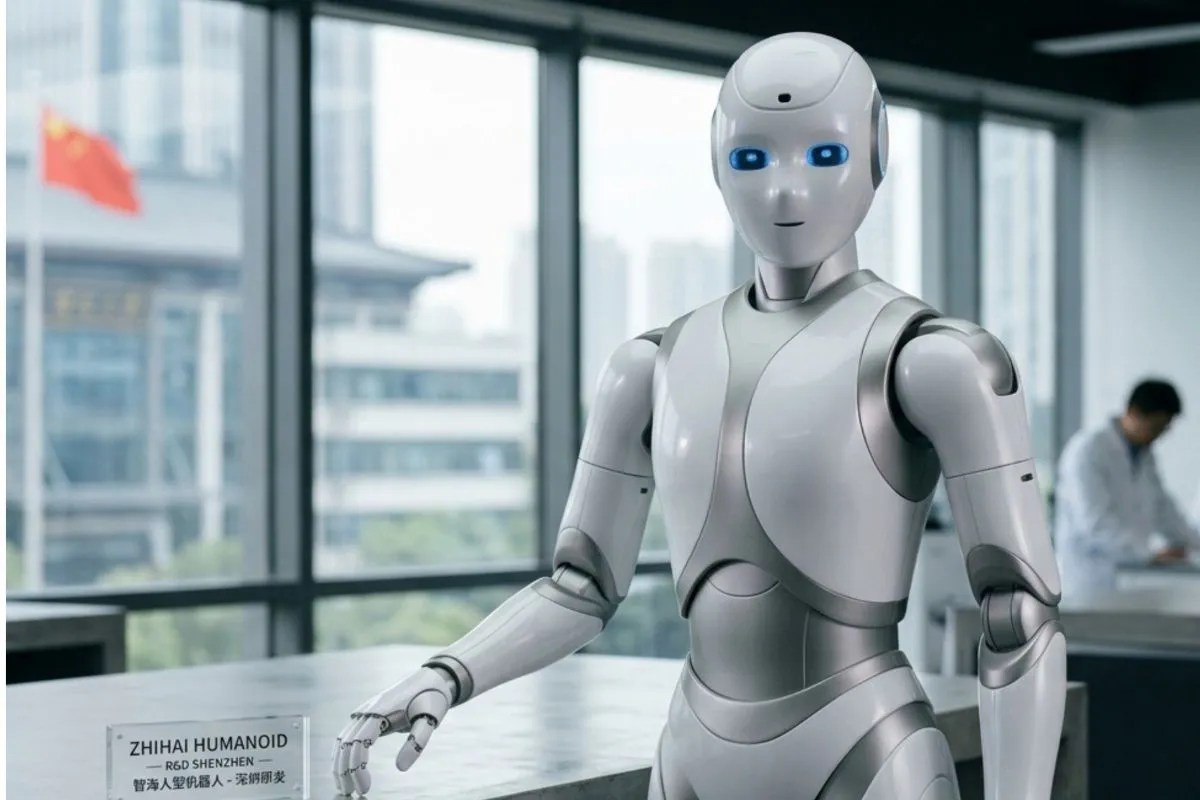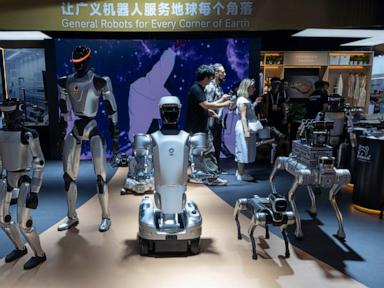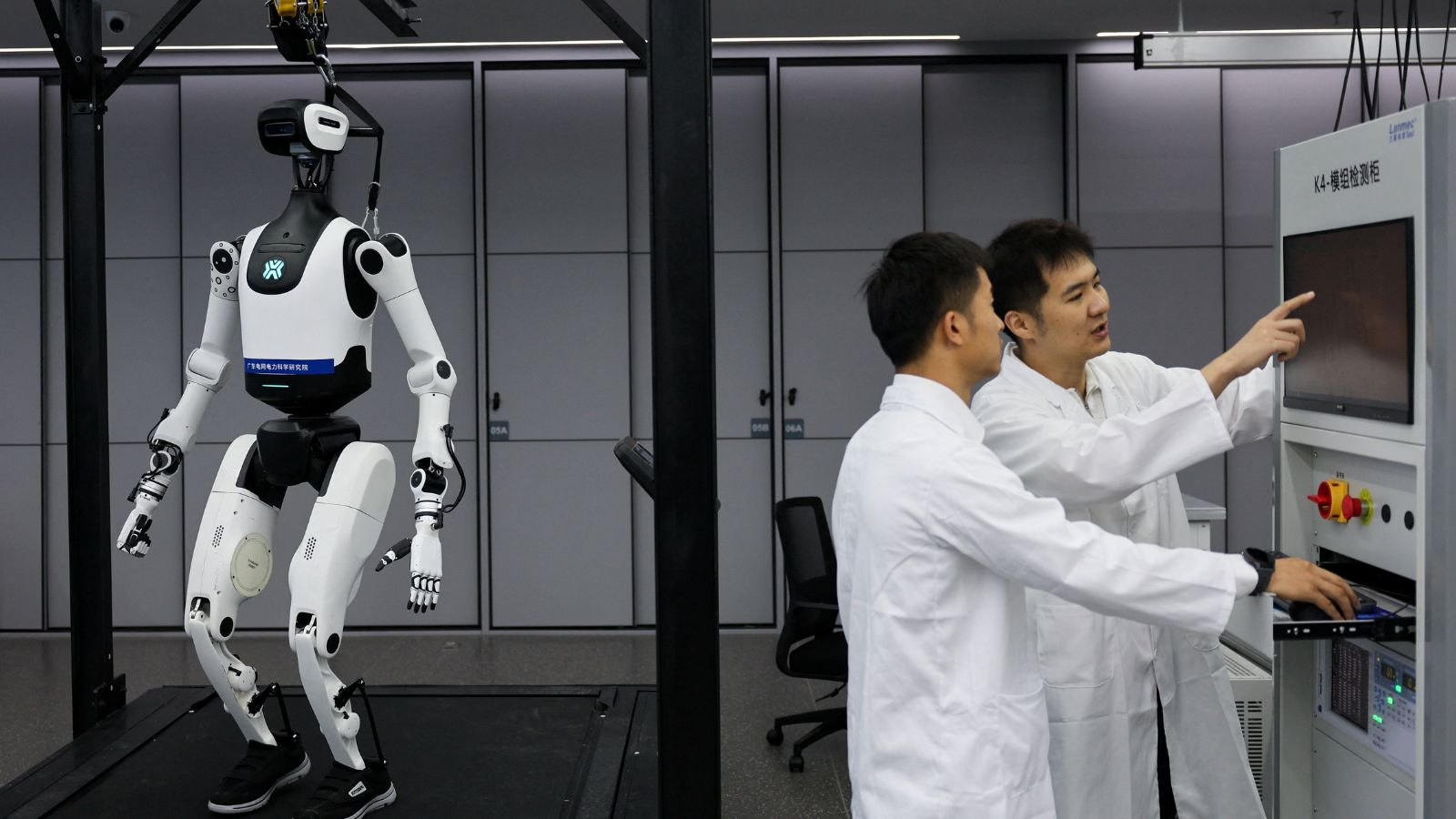
Everyone in tech talks about Western startups building flashy AI demos, but the real hardware shift is happening quietly on factory floors across Asia. Recent industry reports show that China now houses six of the world's ten most innovative humanoid robot start-ups. If you're only paying attention to Silicon Valley, you're missing half the story.
When you look at the raw shipment data, the gap widens. Companies like AgiBot and Unitree Robotics aren't just building prototypes for YouTube videos. They're scaling production lines, driving down unit costs, and placing thousands of units into commercial pilot programs.
The Power of a Integrated Hardware Ecosystem
Why are Chinese robotics startups moving so fast? Honestly, it comes down to geographic density and supply chain velocity.
If you need a custom-milled actuator or a specialized sensor array in Shenzhen, you don't wait three months for overseas shipping. You drive two hours down the road. The Yangtze River Delta packs research labs, component makers, and final assembly plants into a tight ecosystem.
Western startups often struggle with long component lead times and high prototyping costs. Chinese firms iterate on hardware designs weekly because the manufacturing infrastructure right outside their door makes it possible.
Moving From Lab Demos to Real Factory Floors
Let's address what these machines actually do. Critics love to point out that humanoid robots are still clumsy, lack human-level dexterity, and struggle with unpredictable environments. That's true. But the strategy isn't about replacing human workers overnight.
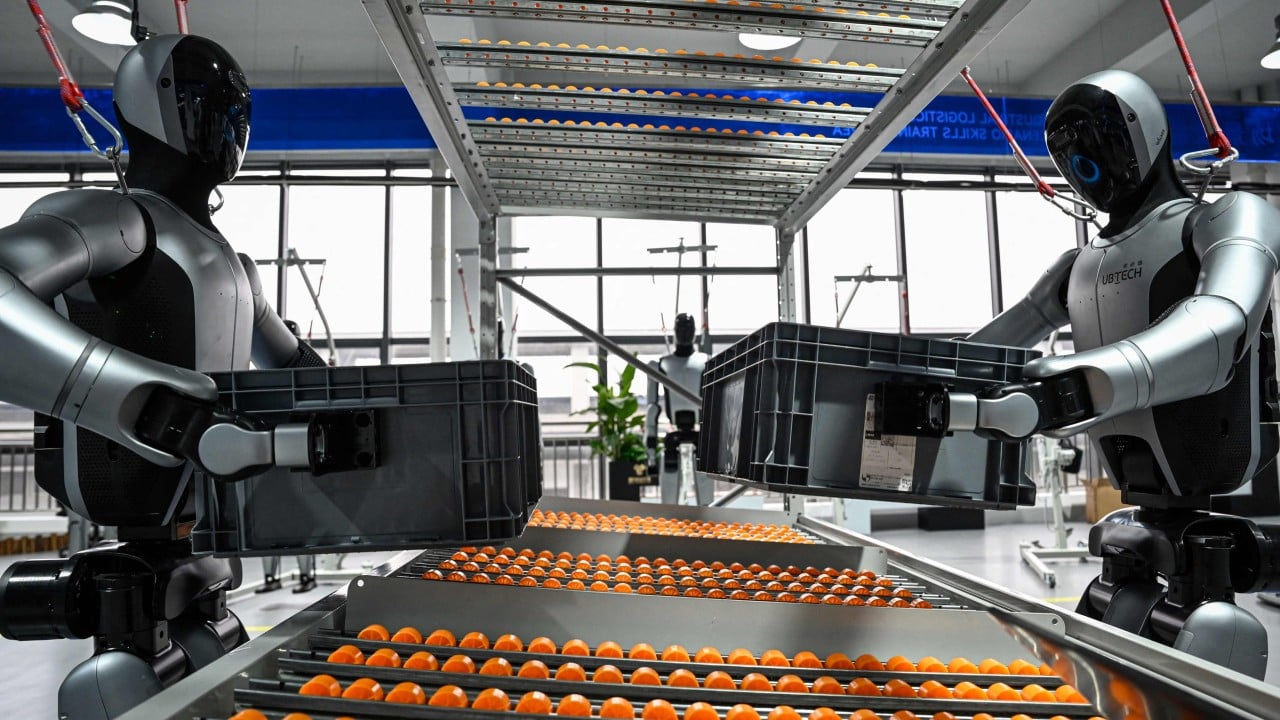
Domestic giants like BYD and CATL provide massive internal demand. They are testing units like Kepler's K2 and UBTech's Walker series in controlled environments like electric vehicle plants. These robots handle simple logistics tasks, transport materials, and perform repetitive sorting.
They don't need to be perfect. They just need to be cheap enough and reliable enough to handle basic, low-risk chores while the underlying AI models mature.
What the West Keeps Getting Wrong
People often assume that China's robotics surge relies entirely on cheap labor or state subsidies. While government backing through initiatives like the Ministry of Industry and Information Technology's robot programs certainly helps, financial muscle isn't everything.
The real advantage is engineering pragmatism. Chinese startups focus heavily on mass-manufacturability from day one. They use aggressive pricing strategies to force rapid adoption, accepting lower margins early to secure market share and real-world training data.
Practical Takeaways for Tech Observers
If you're building in the robotics space or tracking global tech trends, ignoring this shift is a mistake.
- Look past the software: Hardware integration speed matters just as much as large language models.
- Watch the supply chain: Prototyping proximity dictates how quickly a company can fix design flaws.
- Track real shipments: Ignore press releases and look at actual factory deployments and unit sales volumes.
The humanoid robot race won't be won by the most eloquent pitch deck. It belongs to whoever can build, ship, and iterate the fastest. Right now, that momentum belongs to the East.