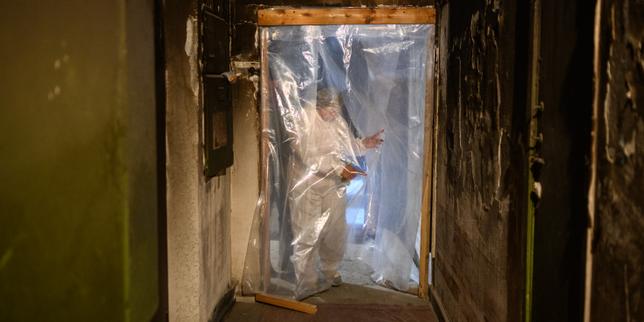
History has a cruel way of repeating itself for the people of Ukraine. Decades ago, liquidators and residents faced an invisible radioactive threat that fell silently from the sky in 1986. Today, those exact same survivors are ducking for cover from Russian artillery and air strikes in Kyiv. The irony is brutal. The ghosts of the world's worst nuclear disaster are now sharing bomb shelters with current air raid sirens.
When the reactor at Chernobyl blew up, you couldn't see, taste, or smell the poison until it was too late. It was a phantom enemy. Modern war is different. It screams overhead, shatters windows, and leaves smoking craters in residential courtyards. Yet for the elderly men and women who cleaned up radioactive graphite decades ago, waking up to explosions brings back a terrifyingly familiar sense of helplessness. If you found value in this article, you should read: this related article.
The Long Shadow of 1986
Most survivors of the Chernobyl catastrophe are aging. Many carry chronic health conditions tied directly to their exposure doses during the cleanup operations. They thought the hardest battle of their lives ended in the exclusion zone. They retired to Kyiv, trying to find quiet lives away from the reactor's shadow.
Then came the invasion. For another angle on this story, check out the recent coverage from NPR.
Hearing artillery fire isn't just frightening; it triggers deep psychological trauma. Medical professionals working with displaced persons in Kyiv note that Chernobyl veterans often experience compounding post-traumatic stress. You survived one catastrophe that altered the continent, only to watch your apartment building shake from missile impacts in your golden years.
Invisible Radiation Versus Visible Destruction
Survivors often draw direct comparisons between the two crises, and their insights cut deep.
Radiation didn't make a sound. You walked past red-marked trees and abandoned villages wrapped in an eerie silence. War shatters that silence instantly. It announces itself with sirens, sonic booms, and the sickening thud of intercepted drones.
- Chernobyl taught people how to distrust their senses because the air itself was dangerous.
- Modern conflict forces residents to trust their instincts in fractions of a second to find a basement or a metro station.
- Both disasters share a common thread: ordinary citizens paying the ultimate price for decisions made by distant political authorities.
The mental load is exhausting. People who survived thyroid cancers and cardiovascular issues from radiation exposure now manage hypertension spikes triggered by nightly rocket barrages.
Life Inside Kyiv Shelters
Down in the underground metro stations, the demographics skew older than you might expect. Young families manage to flee or find private spaces, but many pensioners stay put. They have nowhere else to go, and their pensions won't cover rent in safer European capitals.
Sitting on cold concrete benches, wrapped in woolen blankets, these veterans talk quietly. They compare notes on pharmacy lines and air defense tracking apps. Resilience here isn't a motivational poster quote. It's a stubborn refusal to let fear win, born from decades of living through institutional failure and ecological ruin.
When the all-clear sounds, they climb back up the stairs. They sweep up shattered glass from their balconies, check on their neighbors, and plant flowers in courtyard patches that somehow survived the shockwaves.
The war hasn't broken their spirit, but it has added a bitter chapter to lives that already paid more than their share of history's toll. They remain right where they have always been, enduring the unimaginable with quiet dignity while the world watches from afar.


