The headlines rolled out with a sigh of relief. Forty years after the world cracked open at reactor number four, researchers studying Chernobyl fuel particles found something unexpected. The fuel is stable. The radioactive fallout remnants left trapped in the sarcophagus and the surrounding exclusion zone are not dissolving into groundwater or mutating into aggressive plumes of doom as fast as doomsday models predicted.
Take a breath. Put down the champagne. Don't forget to check out our previous coverage on this related article.
The lazy consensus taking root across science journalism is that we have somehow mastered spent fuel durability because a handful of hot particles weathered four decades in the mud without turning Ukraine into a glowing soup. This is a dangerous misreading of chemistry, physics, and geology. We are not looking at a triumph of material science. We are looking at a localized anomaly, and treating it as a green light for global nuclear expansion is pure self-delusion.
Let us define what these particles actually are. We are talking about fuel matrices composed of uranium dioxide, mixed with zirconium cladding fragments, structural steel, and melted concrete that cooked together at temperatures exceeding two thousand degrees Celsius during the initial 1986 excursion. This concoction formed a ceramic-like lava known as corium. Ceramic materials resist weathering. That is a baseline fact of materials science. If you bake uranium into a synthetic rock at hellish temperatures, it takes a long time to break down. If you want more about the history of this, Engadget provides an in-depth breakdown.
Here is what the cheery write-ups ignore. The stability of these particles is strictly a function of their specific local environment. They sat in a unique chemical soup characterized by specific pH levels, mineral interactions, and restricted oxygen access. Drop those exact same fuel particles into a different hydrological basin with higher dissolved oxygen, active organic acids, or fluctuating water tables, and the matrix degradation rates spike exponentially.
I have watched policy wonks and technocrats look at a single data point and build an entire architectural philosophy around it. It is the same hubris that built Chernobyl in the first place.
To understand why this forty-year stability metric is a statistical mirage, we have to look at the difference between laboratory chemistry and deep geological reality. A fuel particle sitting in an oxidizing groundwater environment does not stay put. Uranium dioxide oxidizes to uranium trioxide, which is soluble. It dissolves into water, migrates through porous rock, and enters the biosphere. The only reason the Chernobyl fragments look stubborn is that much of the immediate environment is chemically buffered and oxygen-starved in specific ways that slowed down the oxidation front.
Pretending this means long-term high-level waste disposal is solved is like driving a car into a brick wall at twenty miles per hour, walking away with a bruised shin, and concluding that automobiles are indestructible.
The nuclear industry loves to lean on the word "proven" when talking about containment, but spent fuel management remains an ongoing engineering gamble. We are dealing with timescales that mock human civilization. Forty years is a blink. It is a rounding error. A radioactive isotope like Plutonium-239 has a half-life of over twenty-four thousand years. Iodine-129 takes fifteen million years to decay away. Measuring material stability over four decades and extrapolating a clean bill of health across millennia is not science. It is wishful thinking wrapped in a lab coat.
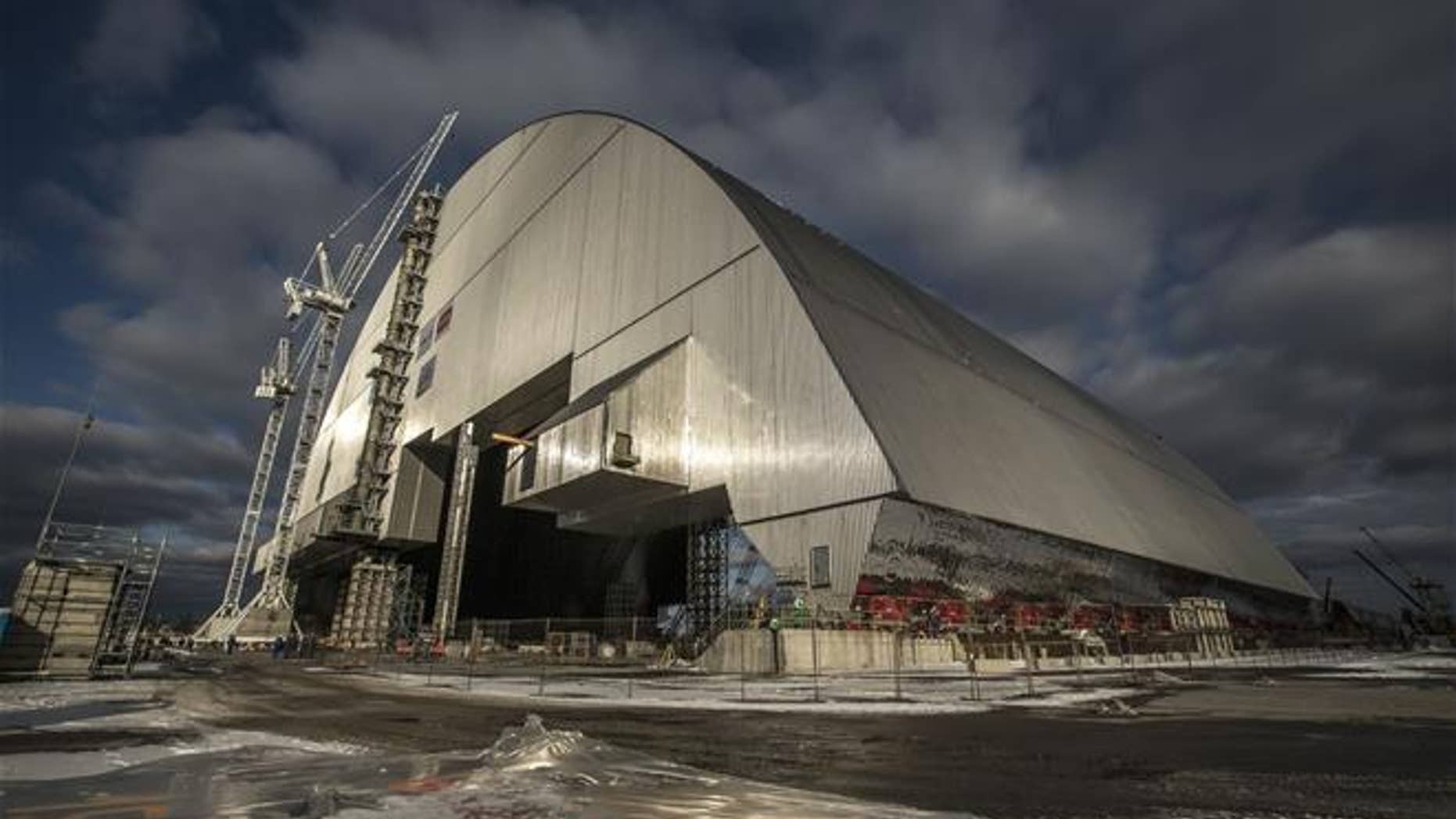
Let us dismantle another recurring myth while we are at it. People often ask whether Chernobyl proves that abandoned nuclear sites will naturally heal themselves if humans just step away. Look at the Red Forest. Look at the groundwater monitoring wells around the New Safe Confinement structure. Nature is not healing; it is adapting around the poison. Organisms survive by mutating, shorter lifespans, and genetic selection pressure. The ecosystem is functioning, but it is a distorted, hyper-accelerated laboratory of genetic attrition. Calling that a success is like praising a chemotherapy regimen because the patient’s hair grew back weird.
The hard truth about nuclear power is that the physics are brilliant and the waste logistics are a political football we keep kicking down the road because nobody wants to pay the bill or tell the truth about permanence. We generate spent fuel, drop it into cooling pools that require active power and maintenance, and hope that future generations are smart enough not to trip over our toxic legacy millions of days from now.
Finding out that a few chunks of melted uranium ceramic held together in a Ukrainian basement for forty years does not mean we have conquered the atom. It means the atom was merciful this time. Relying on mercy as an engineering standard will eventually get us killed. Stop celebrating the anomaly. Start planning for the failure modes we refuse to name.