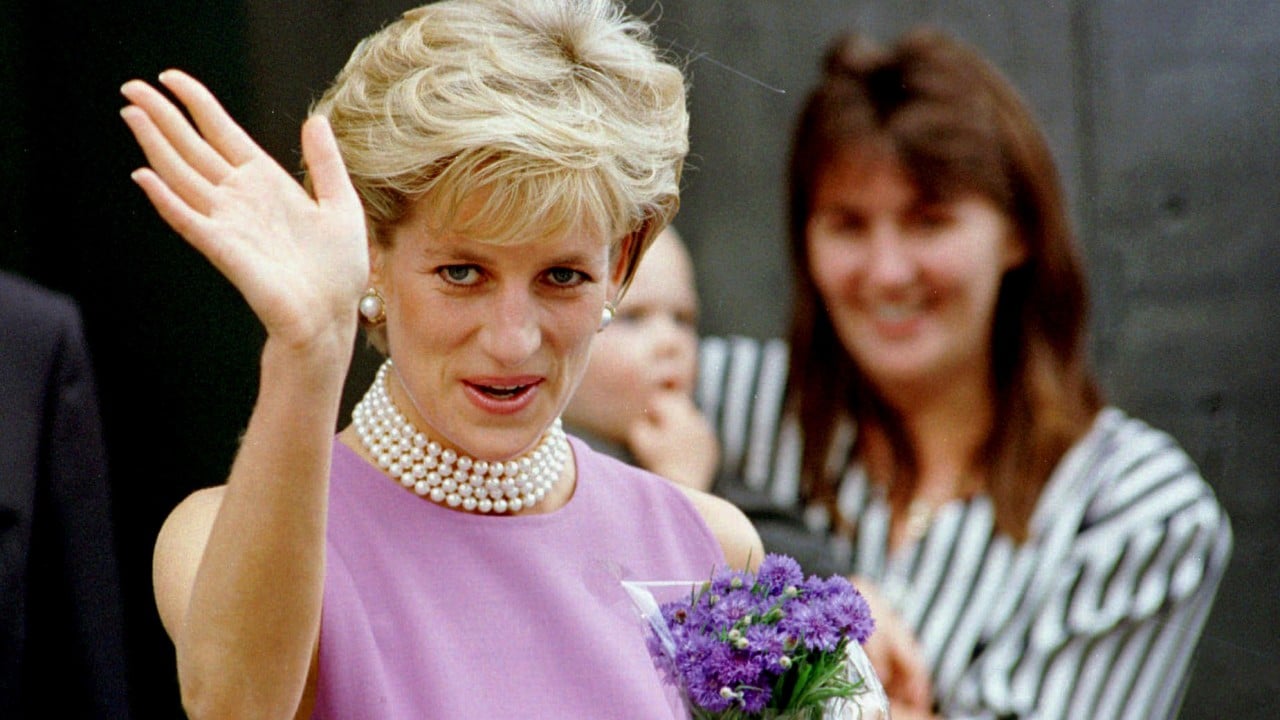
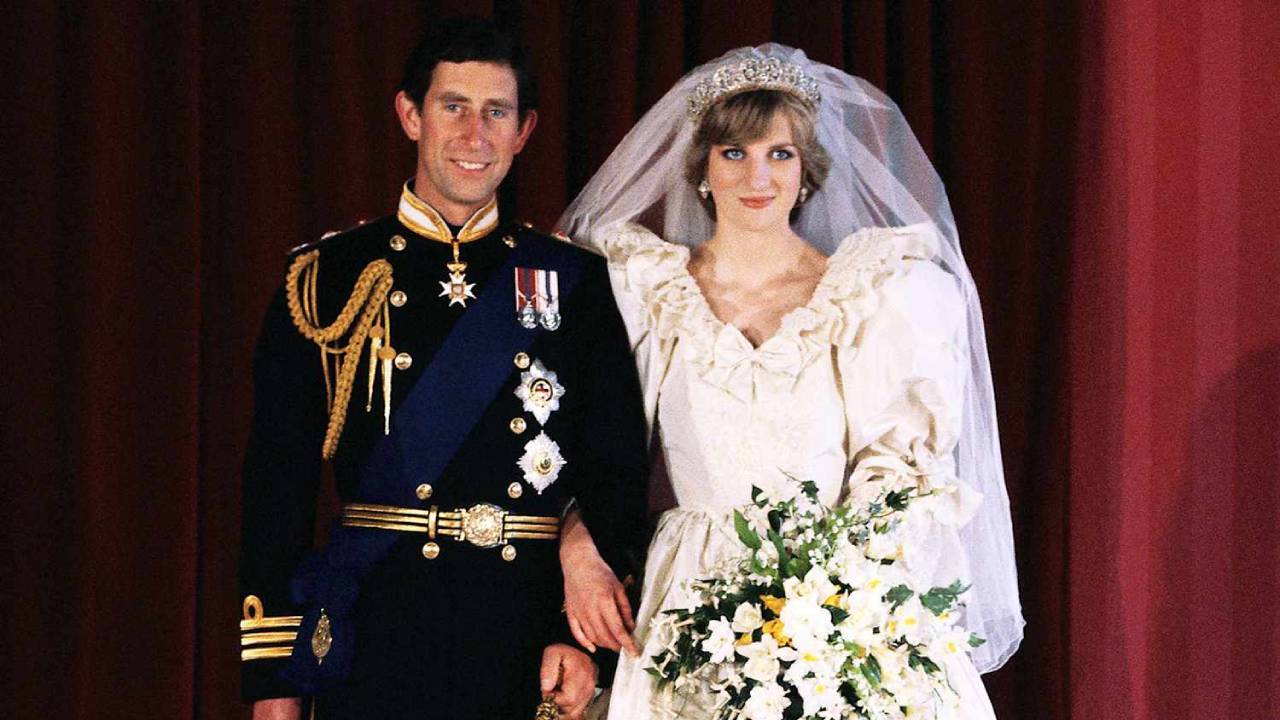
Nearly thirty years have passed since the tragic death of Princess Diana, yet the royal family's past remains an open battleground. Charles Spencer, Diana's younger brother, released a memoir titled Swan Song: Diana, My Sister, and it immediately detonated inside the media landscape. Buckingham Palace rarely responds to tell-all books. They usually stick to their age-old playbook of dignified silence. This time, they broke protocol. The palace forcefully denied one of the book's most explosive assertions, and the fallout has exposed deep, lingering fractures.
If you want to understand why this book matters, you have to look past the tabloid headlines and examine the actual claims. Spencer wrote that shortly after Diana's death in 1997, the then-Prince Charles told him that Diana would "soon be forgotten enough". Buckingham Palace hit back immediately, flatly denying the remark ever happened. Spencer fired back on morning television, claiming the palace basically has to gaslight the public to protect its image. For another view, read: this related article.
The Trouble With Memoir Memories
Memoirs are tricky territory. Human memory is notoriously fragile, especially when forged in the furnace of sudden national grief. Spencer insists he only had two phone conversations with the current king around that time, making the alleged comment unforgettable. Yet, critics and royal historians quickly pointed out factual errors elsewhere in the text.
Take the high-profile feud with broadcaster Piers Morgan. Spencer's book claimed Morgan was editing the Daily Mirror when intrusive gym photographs of Diana were published in November 1993. Morgan didn't actually join the paper until October 1995. Confronted with the public blunder, Spencer issued an apology, admitting his assumption was incorrect. Related coverage on this matter has been published by BBC.
When a high-profile author drops basic dates, public trust fractures. If a foundational timeline detail is wrong, readers start questioning what else in the narrative was embellished for dramatic effect.
Why Buckingham Palace Broke Silence
Silence is usually the weapon of choice for the monarchy. Responding to a book usually just fuels oxygen to the fire, turning a minor literary grievance into a global news cycle. So why did they break decades of tradition to swat down Spencer's claim?
The stakes are entirely different now. King Charles sits on the throne, and the monarchy operates under intense public scrutiny regarding its historical empathy and internal coldness. Allowing a narrative to stand that paints the King as dismissive of a grieving brother right after Diana's death is toxic for public relations. The palace had to draw a hard line. They couldn't let a direct quote attributed to the sovereign go uncontested, even if engaging with the book risks giving it more attention.
The Motive Behind the Memoir
People are asking a blunt question: why now? Why dredge up three-decade-old trauma, family arguments, and private phone calls nearly thirty years later? Spencer claims his goal is to celebrate Diana and remind the world how fabulous she was before her life was cut short.
Detractors see it differently. Critics, including some former royal aides and commentators, argue that family members cashing in on Diana's enduring legacy has become an exhausting genre of its own. Every few years, a new voice emerges with intimate recollections, keeping the wounds fresh while driving book sales. When family members air private grievances publicly, it forces the public to pick sides in a decades-old tragedy where nobody really wins.
Accuracy matters when you write history. When memoirs blur the line between emotional truth and verifiable facts, they stop being historical records and start looking like settled scores. Check your sources, question the motives behind late-in-life tell-alls, and remember that grief is rarely a reliable narrator.
Watch the discussion on Spencer's book claims and the royal response
This report breaks down the explosive claims made by Charles Spencer in his memoir and the swift pushback from Buckingham Palace regarding private conversations following Princess Diana's death.