Veterinary care has gotten ridiculously expensive. If you own a cat or a dog, you already know the dread of walking into a modern animal hospital. A minor cough or a slight limp can easily set you back hundreds of dollars after the mandatory blood tests, X-rays, and specialized consultation fees.
In China, this financial strain has reached a breaking point for young urbanites. The country's urban pet population hit a massive 126 million animals, yet wages aren't keeping pace with skyrocketing medical costs for domestic animals.
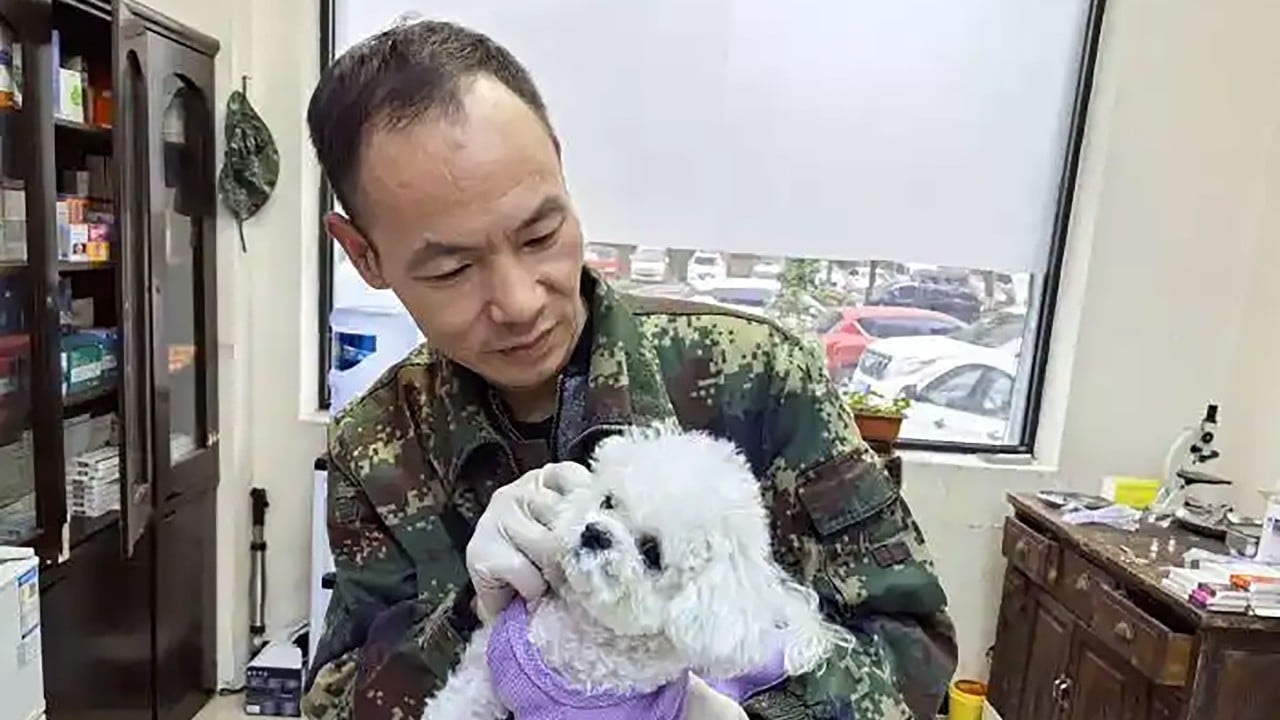
That squeeze explains the meteoric rise of Qian Yong. Known online simply as "Lao Qian," this retired military dog handler has built an empire of five million social media followers. He didn't do it by building a high-tech facility with ambient lighting and premium organic treats. He did it by running a no-frills clinic in Tangshan that treats sick pets for just a few dollars, proving that the corporate vet model might be overcharging you.
From Elite Canines To Rural Livestock
Lao Qian spent eight years in the Chinese military training elite service dogs. When you manage high-value working animals under intense conditions, you learn to spot illnesses fast and treat them with direct efficiency. There's no room for unnecessary diagnostic padding.
After his military service, Qian didn't immediately jump into the lucrative urban pet market. He spent three years formally studying animal medicine and then spent over a decade working as a rural veterinarian.
Rural veterinary work is a brutal, practical school of hard knocks. You're treating large livestock—cows, pigs, sheep—where the economic value of the animal dictates the cost of treatment. Farmers won't pay a premium for corporate bedside manner or redundant lab panels. If a cure costs more than the animal is worth, it's a non-starter. Qian brought that exact same radical cost-efficiency to the domestic pet space.
When he opened his Tangshan clinic, he brought these two worlds together: elite military discipline and rural practicality.
The Cheap Treatment Formula That Went Viral
In mid-2025, Qian started posting his daily clinic routine on Douyin, the Chinese version of TikTok. His content format is aggressively simple. Videos usually open on a literal row of cats and dogs lying completely still, hooked up to IV infusions in a modest, crowded room.
Qian moves down the line like an assembly line mechanic for living creatures. He diagnoses a lame cat from a neighborhood brawl, cleans the wound, and bills the owner a tiny fraction of standard corporate rates. When a puppy comes in with deadly canine parvovirus, a condition that usually triggers a mandatory, budget-busting hospitalization stay at high-end clinics, Qian checks the temperature, assesses the virus strength, gives two direct injections, and sends the owner home with strict instructions to withhold food and water.
His methods are fast, blunt, and highly effective. His followers grew by over 760,000 in a single month because he demystifies the entire healing process. He stripped away the corporate theater of veterinary medicine. Pet owners watch his videos and realize they don't necessarily need a thousand-dollar setup to save their animal's life; they just need someone who actually understands pathology and animal behavior.
Why Shiny Corporate Vet Clinics Keep Tricking You
The traditional pet clinic business model relies heavily on your anxiety. When a pet gets sick, owners panic. Corporate clinics leverage this emotional vulnerability by recommending a battery of tests before offering a basic diagnosis.
- The Diagnostic Trap: Standard corporate vets often won't prescribe a basic antibiotic or anti-inflammatory without running a complete blood count (CBC) or a digital X-ray first. While diagnostics have their place, they're frequently used as defensive medicine or pure profit drivers.
- The Overhead Subsidy: When you pay a $150 consultation fee, you aren't just paying for medical expertise. You're paying for the prime commercial real estate, the slick marketing, the front-desk receptionists, and the high-end design elements of the clinic.
- The Overtreatment Bias: Multi-day hospitalizations are massive revenue generators. Practical handlers like Qian show that many stable animals recover far better at home in a familiar environment once the proper medication is administered.
Qian's viral success is a massive cultural protest against this system. People are traveling from distant provinces to Tangshan not because they want an elite luxury experience, but because they want an honest practitioner who treats their pet like an animal, not a blank check.
Finding Practical Care Without Going Broke
You probably don't live anywhere near Tangshan, and you can't take your sick retriever to Lao Qian. But you can still apply his practical approach to navigate the bloated veterinary landscape in your own city.
Stop assuming the most expensive clinic with the highest Google rating is the best option for your animal. Look for old-school, independent veterinarians who have been practicing for decades. These clinics often look outdated, lack fancy mobile apps, and don't upsell you on premium therapeutic kibble, but their staff usually possesses the deep, intuitive diagnostic skills that only come from years of hands-on experience.
When your vet suggests a long list of tests for a minor ailment, ask a direct question: "Will the results of this specific test change our immediate treatment plan?" If the answer is no, and the vet is just looking to confirm a strong suspicion, ask if you can start with the targeted medication first and save the expensive imaging or bloodwork as a backup plan if the condition fails to improve within 48 hours.
Be honest with your vet about your financial boundaries right from the start. A good practitioner will respect your budget constraints and offer a tiered treatment plan, focusing on essential care over optional procedures, rather than making you feel guilty for refusing a premium service you can't afford.
A Look Into China's Working Dog Subculture provides context on the intense training and discipline behind military canine handling routines in the country.


