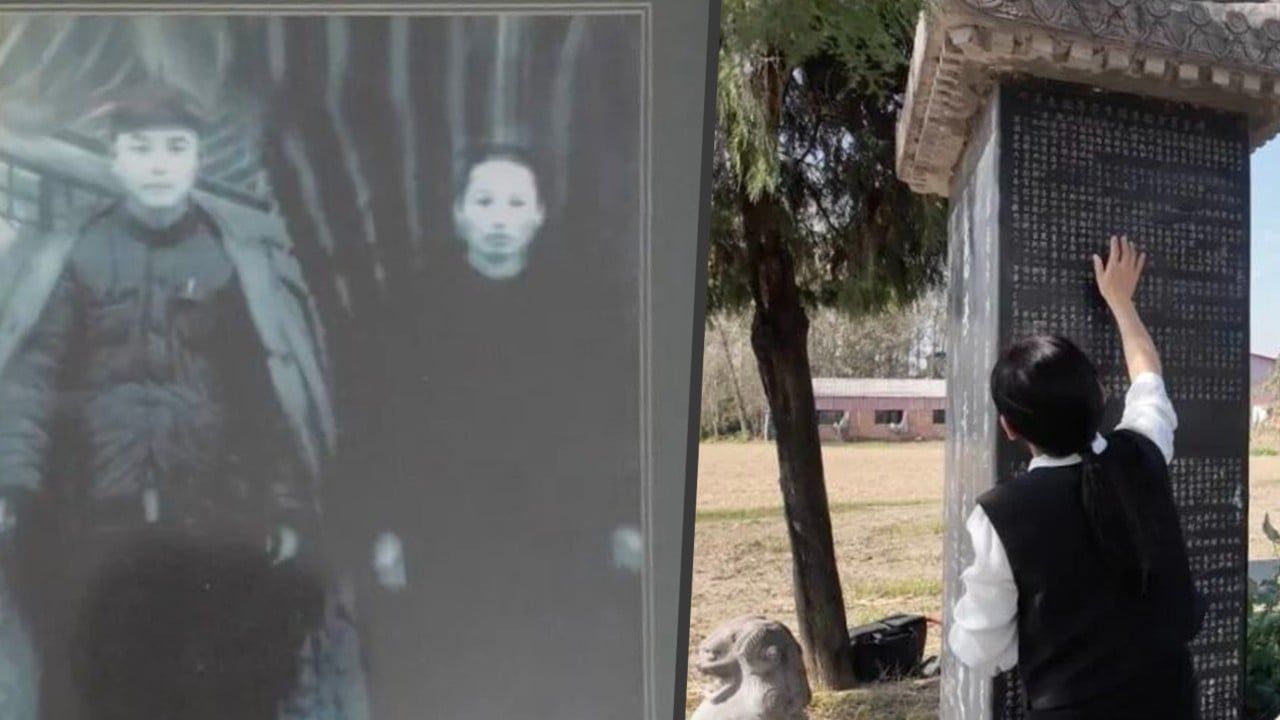
Every few months, a viral human-interest story makes the rounds on health blogs and social media feeds. A dedicated Traditional Chinese Medicine (TCM) practitioner passes away and leaves behind a tombstone etched with dozens of closely guarded family prescriptions. The internet sheds a collective tear. Commentators praise the doctor for "breaking the cycle of medical secrecy" and gifting ancient cures to the public for free.
That reaction is completely backwards.
When you strip away the sentimental framing, carving 100 static herbal formulas onto a slab of granite is not a triumph of open-source medicine. It is a profound misunderstanding of how clinical pharmacology works, a liability for self-medicating readers, and a symptom of why traditional medical knowledge often fails to survive modernization.
I have spent over a decade analyzing clinical trial data, herbal pharmacovigilance reports, and intellectual property frameworks across East Asia. I have watched well-meaning public health initiatives collapse because administrators treated complex medical protocols like baking recipes. If you think a list of herbs carved into stone can replace clinical diagnosis, you do not understand Traditional Chinese Medicine—or modern safety standards.
The Myth of the "Secret Formula"
The standard media narrative relies on a lazy trope: greedy or superstitious practitioners hoard "secret prescriptions" (mìfāng), keeping miraculous cures locked inside family bloodlines until a noble rebel finally chisels them into stone for the masses.
This storyline sells clicks, but it ignores clinical reality.
In classical Chinese medical theory—rooted in foundational texts like Zhang Zhongjing’s Shanghan Lun (Treatise on Cold Damage)—there is no such thing as a fixed pill for a fixed disease. Classical TCM operates on pattern differentiation (biànzhèng lùnzhì). Two patients can walk into a clinic with identical chronic migraines. One receives a warming formula built around Evodia rutaecarpa (Wu Zhu Yu) because their pulse is deep and wiry, indicating internal cold. The second receives a cooling, liver-sedating formula built around Gentiana scabra (Long Dan Cao) because their tongue is red with a yellow coat.
Give the first patient’s formula to the second, and you trigger severe inflammation, hypertension, or gastrointestinal bleeding.
A prescription without diagnostic criteria is like a GPS coordinate without a map. When a formula is stripped of the practitioner's pulse-reading, tongue inspection, and dosage adjustments, it ceases to be medicine. It becomes a gamble.
Why Formulas Were Historically Kept Private
Medical secrecy in pre-modern China was rarely about malice. Before standardized licensing boards, formal medical schools, or regulatory bodies like China's National Medical Products Administration (NMPA), lineage secrecy functioned as a primitive form of quality control.
- Dosage calibration: Many potent TCM formulas rely on toxic botanicals that require precise processing (páo zhì) to neutralize alkaloids. Aconitum carmichaelii (Fu Zi), for example, contains aconitine—a cardiotoxin capable of causing fatal ventricular arrhythmias if boiled improperly or prescribed at the wrong ratio.
- Apprenticeship vetting: Masters withheld core formulas until an apprentice demonstrated years of diagnostic competence. Handing a raw list of ingredients to an untrained person invited accidental poisonings that would destroy both the patient and the practitioner's reputation.
- Ecological scarcity: Wild-harvested botanicals varied wildly in active compound concentration depending on soil, altitude, and harvest season. A written gram weight meant nothing without knowing how to adjust for raw material potency.
Carving those formulas onto a monument bypasses every single one of those safeguards. It hands loaded weapons to grieving family members and curious passersby with zero instructions on safety catches.
The Pharmacovigilance Blind Spot
Let us look at what actually happens when consumers treat traditional prescriptions as plug-and-play remedies.
In 1993, a weight-loss clinic in Brussels substituted Stephania tetrandra with Aristolochia fangchi in an herbal regimen. Over 100 women developed irreversible interstitial renal fibrosis, and dozens later developed urothelial cancer. The culprit was aristolochic acid—a potent nephrotoxin and carcinogen present in several traditional herbs used for centuries without modern epidemiological tracking.
Today, regulatory agencies from the U.S. FDA to the European Medicines Agency strictly ban Aristolochia species. Yet in folk repositories and unverified heirloom prescriptions, toxic botanicals like Aristolochia, Aconitum, and cinnabar (mercury sulfide) appear routinely.
Imagine a scenario where a visitor copies a formula for joint pain off a tombstone, takes a smartphone photo, and brings it to an unregulated herbal stall. The stall vendor misreads a faded character, substitutes a lookalike root, or skips the mandatory two-hour decoction step required to hydrolyze toxic diester-diterpene alkaloids. Who is accountable when the patient ends up in acute renal failure? Nobody. You cannot sue a headstone.
Even non-toxic herbs carry severe pharmacokinetic risks when mixed with modern pharmaceuticals:
| Herbal Ingredient | Common Traditional Use | Modern Drug Interaction | Clinical Consequence |
|---|---|---|---|
| Danshen (Salvia miltiorrhiza) | Blood stasis, chest pain | Warfarin, aspirin, clopidogrel | Amplifies anticoagulation; high risk of intracranial or GI hemorrhage |
| Gancao (Glycyrrhiza uralensis) | Harmonizing formulas, cough | Digoxin, loop diuretics, corticosteroids | Causes pseudoaldosteronism, severe hypokalemia, and cardiac arrest |
| Mahuang (Ephedra sinica) | Asthma, nasal congestion | MAO inhibitors, beta-blockers, stimulants | Hypertensive crisis, myocardial infarction, stroke |
| Huangqin (Scutellaria baicalensis) | Heat-clearing, inflammation | Statins, cyclosporine | Alters CYP3A4 metabolism; reduces drug efficacy or spikes toxicity |
A stone slab cannot ask a patient if they take blood thinners. It cannot check their baseline liver enzymes. It cannot adjust milligram dosages for a 45-kilogram elderly woman versus a 90-kilogram man.
Do People Actually Use Tombstone Prescriptions?
When stories like this go viral, readers inevitably ask: Can you really cure yourself using recipes found on a doctor's grave?
The brutal, honest answer is no. At best, you will brew a bitter tea that does nothing because the formula was tailored to a specific constitutional pattern you do not have. At worst, you will trigger a hepatotoxic reaction or an adverse drug interaction.
Another common question follows right behind: Why don't modern hospitals just test and mass-produce these 100 formulas?
They already tried. For decades, state-backed pharmaceutical institutes across China collected tens of thousands of folk and lineage prescriptions—a massive cataloging effort that eventually yielded breakthroughs like Tu Youyou’s isolation of artemisinin from Artemisia annua (Qinghao) for malaria, which won the 2015 Nobel Prize in Physiology or Medicine.
Notice how Tu Youyou succeeded. She did not engrave a folk recipe on a wall and tell people to boil weeds at home. She extracted the active compound, identified why traditional boiling destroyed its efficacy (requiring cold ether extraction instead), ran standardized animal toxicity assays, isolated the molecular structure, and validated dosing through controlled clinical trials.
Ninety-nine percent of collected folk formulas fail that pipeline. Why? Because when tested against a placebo in randomized controlled trials, static herbal mixtures rarely outperform standard care unless matched to the exact diagnostic subset the original doctor observed at the bedside.
What Real Open-Source Medicine Looks Like
If a retiring or dying physician genuinely wants to democratize their life's work, etching recipes into granite is the worst possible medium. Stone is rigid, unsearchable, un-peer-reviewed, and devoid of clinical context.
True medical generosity requires structured documentation that preserves the decision-making logic, not just the ingredient list:
- Publish Annotated Case Records (Yī'àn): For centuries, the gold standard of TCM knowledge transfer was not the formula book—it was the clinical case anthology. Doctors recorded the patient's exact symptoms, pulse quality, tongue coating, the initial formula prescribed, how the patient reacted after three days, and how the doctor modified the herbs on the second and third visits. Without the follow-up modifications, the first prescription is half a story.
- Deposit Formulas into Structured Pharmacopoeias: Contributing clinical data to university databases or national integrative medicine registries allows researchers to run metabolomic profiling and network pharmacology analyses. This turns anecdotal success into reproducible clinical evidence.
- Document Contraindications and Processing Rules: Every single formula left for public use must explicitly state preparation methods (e.g., pre-boiling mineral ingredients for 30 minutes, adding aromatic herbs in the final 5 minutes), absolute contraindications (pregnancy, renal impairment, hypertension), and maximum duration of use.
The Uncomfortable Truth About Viral Medical Nostalgia
I will concede one point to the defenders of these viral stories: the emotional impulse behind the gesture is admirable. In an era where pharmaceutical patents lock life-saving biologics behind six-figure price tags, seeing a clinician try to give away their intellectual property for free feels refreshing.
Sentiment, however, is not a clinical standard.
Celebrating a tombstone full of uncontextualized prescriptions reveals a deep public illiteracy about how medicine actually works. We want to believe in magic bullets—ancient, hidden formulas that bypass the messy, expensive, rigorous work of modern diagnostics and clinical pharmacology. We love the romantic image of the selfless country doctor defeating medical gatekeeping from beyond the grave.
Real medicine does not live in secret recipes. It lives in accurate diagnosis, standardized preparation, transparent safety data, and rigorous clinical observation. Honor the doctor's intent, respect their decades of service, and walk right past the stone with your notebook closed.



