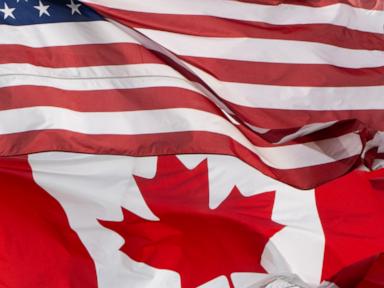
Every headline across the financial media terminal this week sings the exact same lazy tune. They look at the sudden billion-dollar barrier slapped onto Canadian imports—spanning heavy machinery, specialty motorcycles, and high-end craft spirits—and they hyperventilate. They call it a trade war escalation. They scream about supply chain friction, immediate inflation spikes, and dying distributor networks. They treat cross-border logistics like a fragile glass figurine that just shattered on a concrete floor.
It is a completely superficial reading of market mechanics.
I have watched logistics executives panic-buy warehouse space and scream at customs brokers for two decades. Whenever a sudden tariff or outright import ban hits the wire, the herd instinct kicks in immediately. Executives wet their pants, buy air freight they do not need, and run to cable news to cry about margin compression. They are looking at the headline while ignoring the structural plumbing underneath.
This ban is not a catastrophe. It is an aggressive, forced market correction that exposes how lazy domestic operators have become. For years, businesses on both sides of the 49th parallel relied on cheap, frictionless access to Canadian goods to mask their own operational inefficiencies. When raw materials, niche spirits, and motorized imports flow across the border without friction, companies stop optimizing. They get fat. They stop investing in domestic production capabilities. They outsource their supply chain resilience to a neighbor and call it a strategy.
Let us dissect the actual mechanics of what happens when a billion-dollar plug gets pulled on Canadian goods.
The mainstream narrative assumes that because the supply stops, consumer demand evaporates or prices skyrocket into the stratosphere. That ignores basic elasticity and substitution effects. Take the craft spirits and beverage sectors highlighted in these trade disputes. The lazy consensus is that bars and retail shelves will simply go empty, driving patrons away and bankrupting local distributors.
That is not how consumer behavior works. When a specific import hits a brick wall, it creates an instant vacuum. That vacuum is not a tragedy; it is an invitation for local alternative producers who were previously priced out of shelf space by incumbent Canadian brands. For years, domestic distillers and boutique manufacturers struggled to gain distribution because Canadian products sat comfortably on shelves with grandfathered margins and predictable supply lines. Now? That shelf space is wide open. The barrier to entry just collapsed for anyone nimble enough to fill the void within forty-eight hours.
The companies whining about the ban right now are the ones who refused to diversify their supplier base. They built single-source dependencies because it was cheaper on an Excel spreadsheet in 2024. They optimized for cost while completely ignoring variance. That is not risk management. That is corporate negligence masquerading as efficiency.
Consider the motorcycle and heavy industrial equipment segments caught in this crossfire. Importers are crying foul because specialized components and niche recreational vehicles face sudden regulatory blockades. The knee-jerk reaction is to hoard inventory and lobby politicians for exemptions.
The smart money is doing the exact opposite. They are looking at their bill of materials, identifying the exact sub-assemblies coming from north of the border, and aggressively courting domestic machine shops that have been starving for mid-tier manufacturing contracts. Yes, reshoring or finding domestic suppliers costs more upfront. But it eliminates currency risk, cuts shipping lead times from weeks to days, and insulates your balance sheet from geopolitical temper tantrums.
There is a dark side to my argument, and I will own it directly. This approach is brutal on companies with low cash reserves. If you are a small distributor whose entire revenue model depends on reselling a single Canadian whiskey brand or specialized tractor part, this ban will put you out of business. It is unfair, it is abrupt, and it feels arbitrary. Markets do not care about your feelings. They care about adaptability. The small operator who survives this environment will emerge leaner, with diversified supplier contracts and a localized moat that no trade dispute can breach.
We need to stop talking about cross-border trade restrictions as unmitigated disasters and start treating them as stress tests for corporate competence. If your entire business model collapses because a customs gate closes, you did not have a business model. You had a distribution arbitrage scheme. And arbitrage always dies when the rules change.
The executives who win this quarter are not the ones drafting polite white papers for trade ministers. They are the ones re-engineering their supply chains before their competitors even finish their morning coffee. Stop waiting for the border to reopen. It is time to build things closer to home.