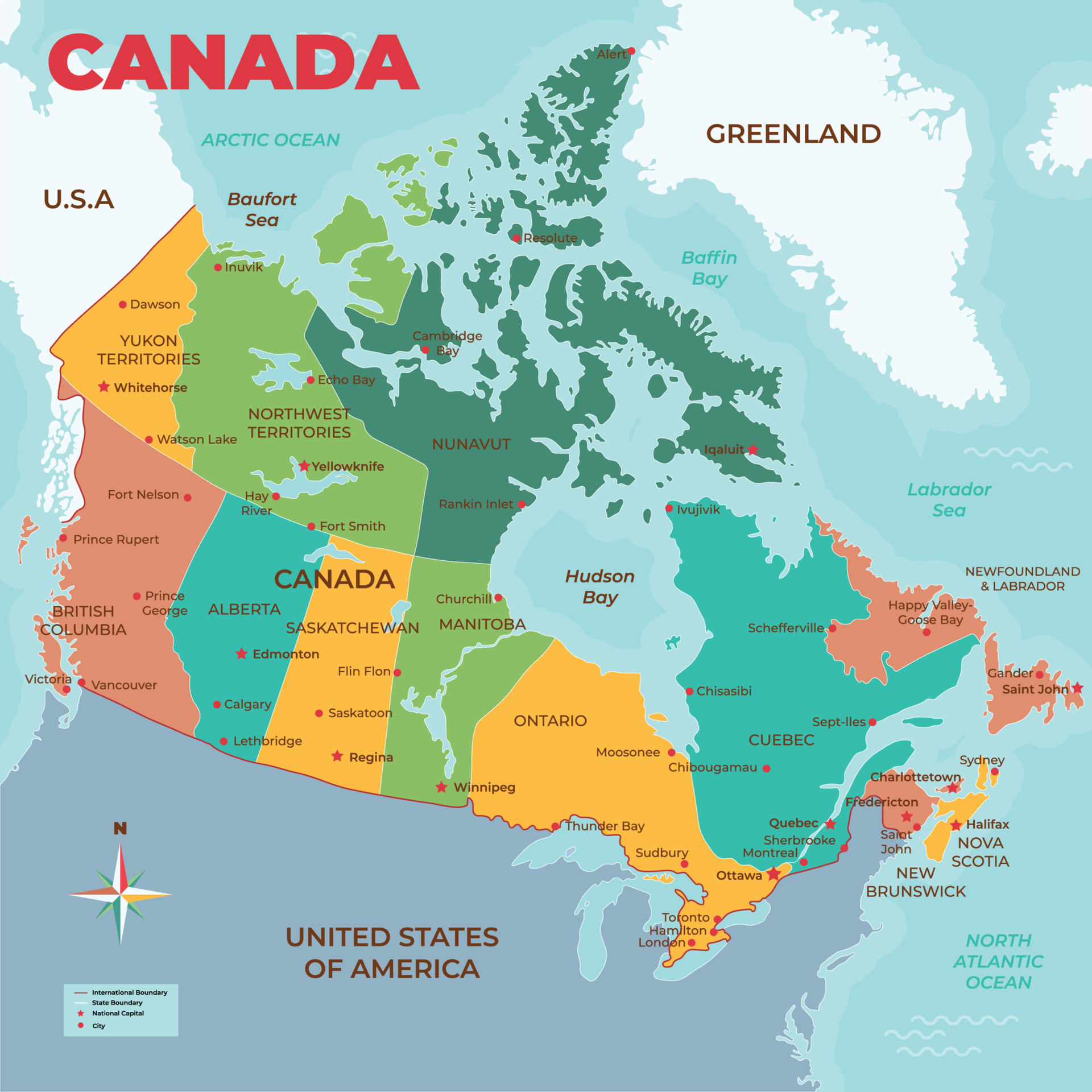
Forget everything you thought you knew about traditional geopolitical alliances. When Prime Minister Mark Carney stepped up to embrace an unprecedented offer for Ottawa to become the European Union’s very first associate member, standard diplomatic playbooks were instantly thrown out the window. Critics immediately shouted about lost sovereignty, while optimists envisioned a massive transatlantic economic powerhouse. The truth sits somewhere much more pragmatic, and ignoring how this deal actually works means missing the biggest structural shift in Western relations in decades.
Let's look past the political theater. The core idea isn't about Canada adopting the Euro or trading away its parliament. Instead, it is a calculated structural alignment designed to secure supply chains, boost defense collaboration, and counter rising economic protectionism globally. For an alternative look, check out: this related article.
Why This Deal Is Happening Now
Geopolitical shifts don't happen in a vacuum. With traditional trade relationships growing increasingly volatile and tariff threats looming large from traditional partners, Ottawa needed to diversify its strategic dependencies. Europe, facing its own security and economic pressures following years of regional conflict and fractured energy markets, found a willing partner in a resource-rich middle power.
Canada already broke precedent by joining the EU's 150-billion-euro SAFE defense program as the first non-European nation. Expanding that footprint into an official associate status takes years of existing trade frameworks—like CETA—and injects rocket fuel into them. Carney has made it clear that he isn't rigidly attached to the exact label of "associate member," but rather focused on the tangible outcomes of deeper industrial collaboration, critical mineral sharing, and defense integration. Related coverage on this matter has been published by Al Jazeera.
Sorting Fact From Fiction On Associate Status
Skepticism is completely fair here. After all, formal "associate membership" doesn't actually exist in foundational EU treaties. It's a completely new category being invented in real-time.
Here is what people usually get wrong about this arrangement:
- It is not full accession. Canada isn't joining the EU to become a voting member state. There is no transfer of legislative control to Brussels, and Canadians aren't signing up for a European super-state.
- It is not just a glorified trade deal. While the text covers competition agreements and fair pricing enforcement, it goes much deeper into joint data infrastructure, liquefied natural gas exports, and security frameworks.
- It requires actual domestic approval. This isn't being pushed through a backroom decree. Federal cabinets are meeting to hash out details, and any resulting framework faces a direct vote in the House of Commons.
What Changes For Businesses and Citizens
If you run a business or manage cross-border supply chains, this shift matters immediately. The upcoming creation of a dedicated Canada-EU business council combined with new transatlantic data cables means reduced friction for tech, energy, and manufacturing sectors.
Expect negotiations to ramp up significantly ahead of the European Council meetings in June, where leaders aim to solidify the core mechanics of the agreement. Citizens should watch for practical updates on professional credential recognition, youth mobility initiatives, and streamlined market access that will actually affect daily life rather than just headlines.
Track the upcoming cabinet talks this spring and monitor how parliamentary committees handle the oversight legislation. Understanding the mechanics of this pact early gives you a massive edge in anticipating where transatlantic trade policies are heading next.
First Ever Associate Member of European Union: Mark Carney, António Costa & Ursula von der Leyen
This video provides a direct look at the historic announcement and press conference featuring Mark Carney detailing the framework of the new partnership.