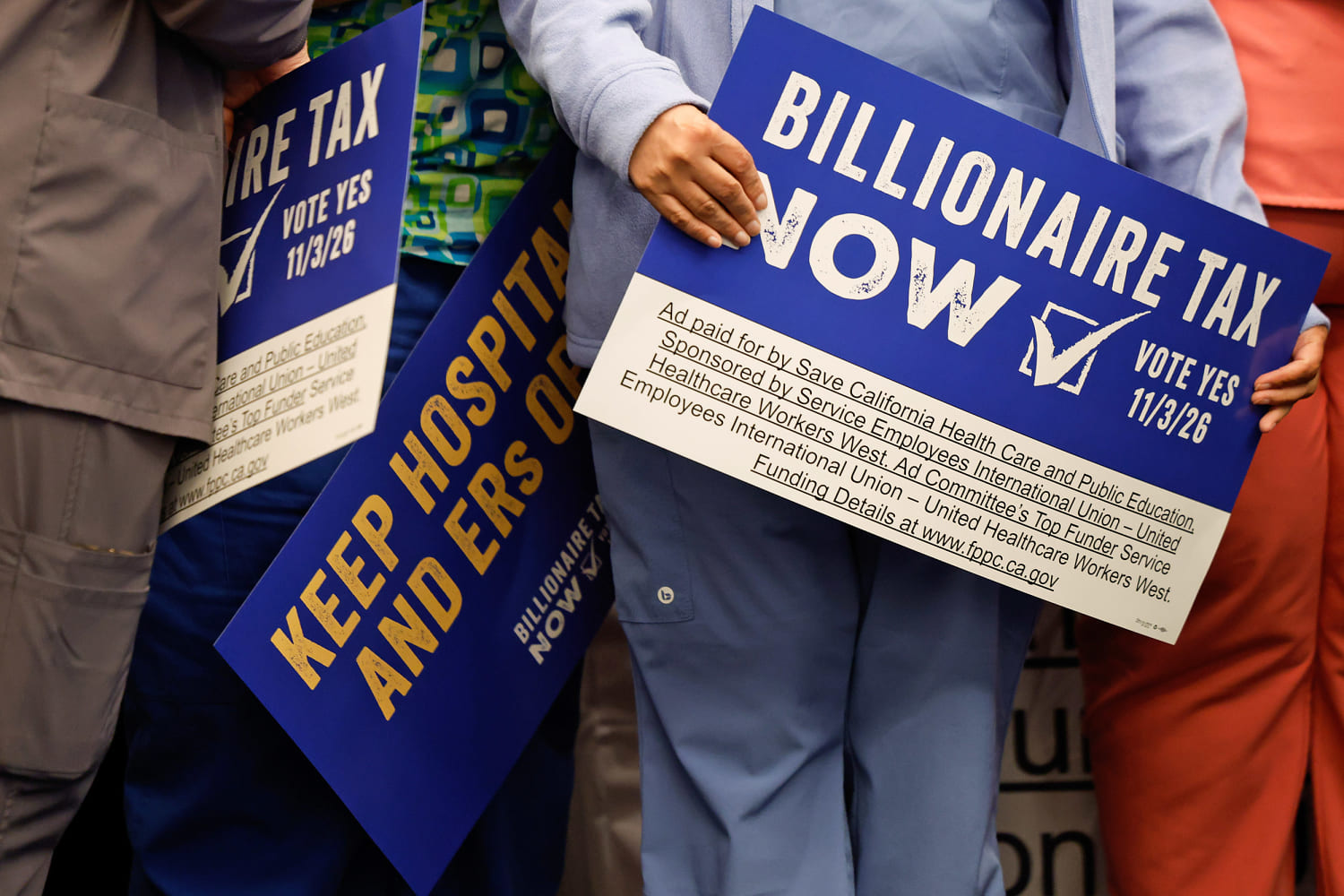
California voters have once again demonstrated a deep, structural hesitation when confronted with wealth-targeted tax proposals. While the state's electorate frequently expresses broad frustration with economic inequality, translating that sentiment into a functioning, majority-backed tax on high-net-worth individuals remains an uphill battle. The core tension does not stem from a sudden surge of sympathy for billionaires. Rather, it reflects a persistent, hard-nosed anxiety about capital flight, administrative feasibility, and unintended economic fallout.
For decades, the Golden State has served as a crucible for tax policy innovation. Lawmakers and advocacy groups continually test the limits of progressive taxation, attempting to bridge state budget gaps while funding expansive social programs. Yet, every time a measure explicitly targeting ultra-high-net-worth residents appears on the ballot or moves through the legislature, it encounters a wall of skepticism. Voters want fairness, but they also want economic stability. When opponents successfully frame a wealth tax as a catalyst for job losses or corporate relocations, the momentum reliably stalls just shy of the crucial majority threshold.
The Mechanics of Discontent
Understanding why these measures stall requires looking past partisan talking points and examining the mechanics of state-level taxation. Unlike federal authorities, individual states operate within a highly mobile national economy. If a billionaire decides that a new state levy is too high, changing residency requires nothing more than moving primary real estate holdings across state lines.
Tax analysts frequently point out that California relies heavily on a volatile revenue structure. The top one percent of earners already pay nearly half of the state's personal income tax. This creates a high-stakes fiscal tightrope. When capital gains surge during tech booms, state coffers overflow. When markets correct, deficits balloon. Proponents argue that a dedicated wealth tax would stabilize this rollercoaster by creating a predictable revenue baseline. Critics, however, contend that an annual levy on unrealized gains would supercharge revenue volatility rather than tame it.
Consider the operational complexity involved in valuing non-liquid assets. How does a state tax board accurately assess the year-over-year value of privately held startup equity, commercial real estate portfolios, or specialized intellectual property? Unlike publicly traded stocks with daily closing prices, private wealth is notoriously difficult to appraise. The legal challenges alone could consume millions in public funds before a single dollar of tax revenue hits the treasury.
The Threat of Capital Flight
The specter of outbound migration hangs over every fiscal debate in Sacramento. Over the past several years, high-profile founders, venture capitalists, and major corporations have shifted their headquarters or primary residences to states with lower tax burdens, such as Texas, Florida, and Nevada.
While researchers continue to debate the exact elasticity of millionaire migration—with some studies suggesting high earners are less mobile than pundits claim, and others pointing to a steady trickle of departures—the political narrative is potent. Voters are acutely aware that California competes in a national market for talent and capital. When business leaders warn that a new tax will accelerate an exodus of innovators, a significant portion of the electorate listens. People worry about the ripple effects on local service industries, property values, and municipal employment if the tax base shrinks.
This dynamic creates a profound political paradox. Working-class and middle-class voters often support the abstract idea of making the ultra-wealthy pay a larger share. At the same gaffe-prone moment, they fear that heavy-handed policies will kill the golden goose, resulting in diminished public services rather than expanded ones.
The Legislative Horizon
As California looks toward future budget cycles, the pressure to find sustainable revenue sources will not vanish. Infrastructure demands, climate adaptation costs, and pension obligations ensure that fiscal policy will remain a flashpoint.
Simply repackaging old proposals with higher rate thresholds or stricter enforcement mechanisms is unlikely to break the deadlock. If proponents want to secure a durable majority, they must address the core structural anxieties head-on. That means providing ironclad guarantees regarding revenue allocation, addressing administrative hurdles transparently, and convincing a pragmatic electorate that the state can manage new wealth streams without crippling its economic engine. Until those foundational questions find credible answers, wealth taxation in California will remain a perpetual near-miss.