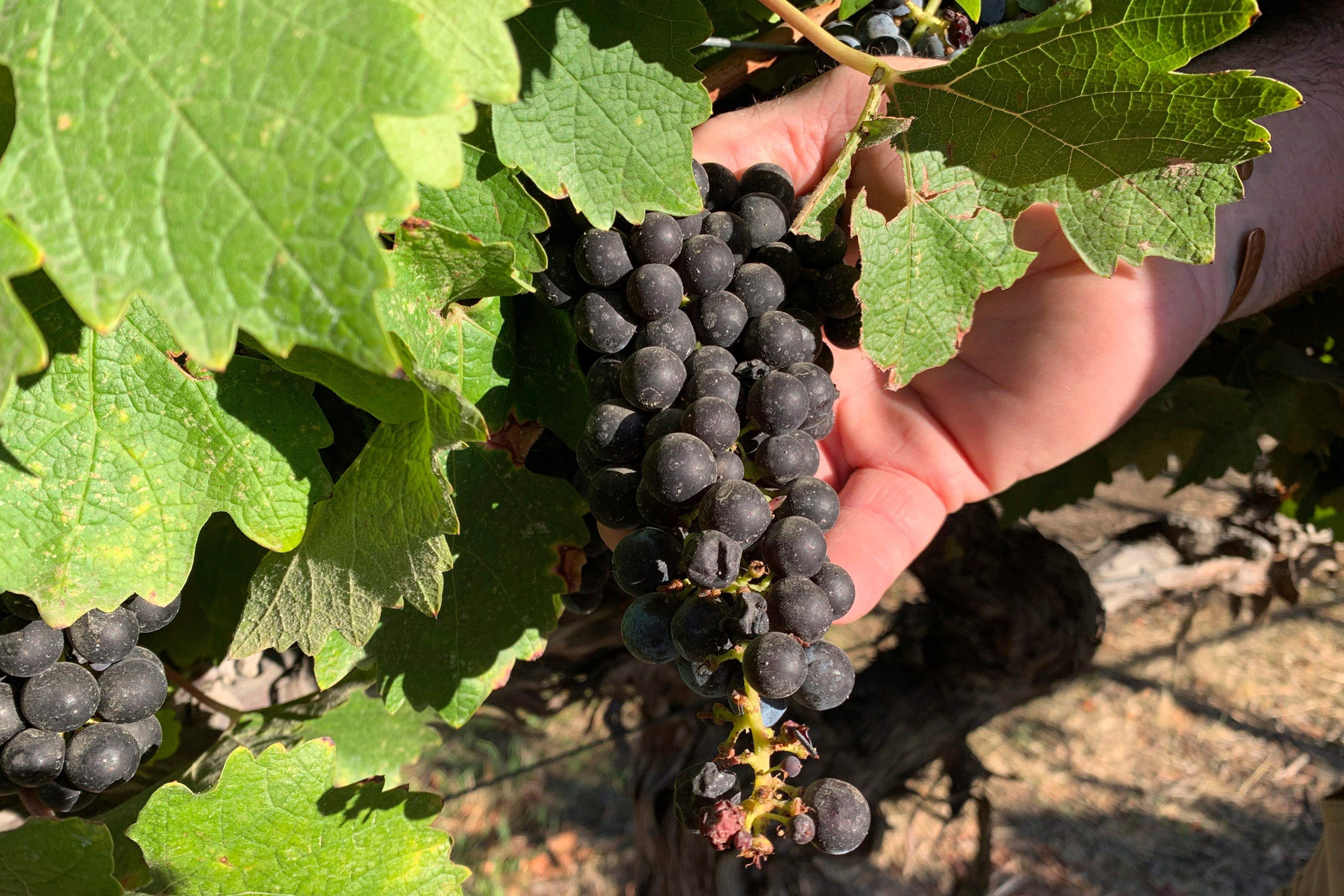
The headlines are weeping all over the agricultural valley. California grape growers are allegedly drowning in unsellable fruit because wine consumption is in freefall among younger generations. The narrative writes itself: sobriety movements, health-conscious millennials abandoning alcohol, and economic anxiety are killing the historic wine country.
It is a comforting story for people who like simple villains. It is also completely wrong. Recently making headlines lately: Stop Blaming Wine Drinkers For The California Grape Crash.
I have watched agricultural capital flow into and out of the Central Valley for two decades. I have sat in boardrooms where million-dollar planting decisions were made based on twenty-year-old momentum rather than current market mechanics. The crisis in California vineyards is not a demand crisis. It is a reckoning with decades of structural overproduction, lazy monoculture, and a refusal to acknowledge that the table wine commodity market died years ago.
Farmers are not struggling because Americans stopped drinking. They are struggling because they spent thirty years farming a product nobody with a pulse actually wants to pay a viable margin for anymore, relying on bulk contracts that masked a rot at the core of the business model. More insights regarding the matter are explored by Harvard Business Review.
The Myth of the Dying Palate
Look at the prevailing panic and you will hear the same tired lament. Gen Z and millennials prefer cannabis gummies, non-alcoholic botanical beverages, or dry January compliance over a Tuesday night bottle of generic Cabernet. Wine sales by volume are indeed slipping.
Yet, premium wine priced above fifty dollars a bottle continues to see strong demand. Artisan producers making distinctive expressions of place cannot grow fruit fast enough. The market has not contracted; it has bifurcated.
What is actually dying is the river of industrialized, mechanically harvested, bulk-fermented plonk that filled cardboard boxes and bottom-shelf glass. For decades, California agriculture enjoyed a subsidized bubble where massive corporate wineries bought up millions of tons of mediocre grapes to churn out generic juice with a California appellation sticker. Farmers planted acreage with zero regard for terroir, clonal selection, or market differentiation, treating dirt like a factory floor.
When the bulk market sneezes, the farmer catches pneumonia. When industrial producers slow down their intake because their warehouses are stuffed with surplus vintage, the independent grower sitting on hundreds of tons of high-yield, low-character Thompson Seedless or generic red wine grapes suddenly realizes they have no buyer.
Blaming sobriety culture for this is like a buggy whip manufacturer blaming Henry Ford for a lack of equestrian interest. The product is obsolete.
The Economics of Surrender
Let us look at the math behind the tear-jerking reports of crushed fruit left to rot on the vine.
A standard acre of commercial wine grapes in the interior valleys produces roughly eight to ten tons of fruit. When bulk prices hover around three hundred dollars a ton, gross revenue sits near three thousand dollars per acre. Factor in water rights costs, fertilizer, machinery maintenance, seasonal labor for pruning and harvesting, and property taxes, and the net margin turns negative faster than a venture-backed startup in a high-interest-rate environment.
For years, water subsidies and cheap capital kept sub-marginal land in production. Farmers kept farming because the bank would roll over the operating loan, hoping for a bounce-back year that never materialized. The real scandal is not that buyers walked away; it is that the production costs never aligned with global market realities.
If you are farming bulk wine grapes in a region requiring intensive irrigation to produce high tonnage of low-flavor fruit, you are running a charity for chemical companies and equipment dealers. You are extracting a scarce resource—water—to produce a commodity that the world has an absolute glut of.
Imagine a scenario where every single vine of mediocre commercial varietal planted on clay-heavy, water-expensive valley floor land is pulled up by the roots within twenty-four months. The short-term economic shockwave would be terrifying. The long-term health of California agriculture would be saved.
What Real Adaptation Looks Like
The conventional wisdom insists that growers need marketing campaigns to convince young people to drink more Chardonnay. This is like trying to convince teenagers to use fax machines by running television commercials about office efficiency.
Real adaptation requires radical divestment.
First, stop treating acreage as a permanent monument to your grandfather’s preferences. The soil and climate of California are among the most diverse on earth, yet we spent the late twentieth century covering thousands of square miles with the exact same three over-farmed clones. If your land cannot support high-margin, site-specific agriculture, it needs to be transitioned out of viticulture entirely. Pistachios, almonds, regenerative row crops, or solar grazing are brutal truths to swallow, but they beat slow bankruptcy by a thousand cuts.
Second, embrace true scarcity. The European model of agriculture understands that value is created by limits. When you restrict yields to two or three tons per acre, concentrate flavor, and farm dry-farmed bush vines that demand deep root systems instead of surface flooding, you produce a luxury good. Luxury goods do not suffer during economic contractions because their buyers are immune to macro-level belt-tightening.
Third, fix the labor equation by eliminating the dependence on back-breaking, low-value volume harvesting. When fruit commands twelve hundred dollars a ton instead of four hundred, you can afford to pay field crews living wages year-round, build genuine vocational infrastructure, and invest in precision technology that does not rely on brute-force manual labor for pennies.
The Unspoken Downside
My prescription is not without casualties. Let us be entirely transparent about the collateral damage of a market-forced correction.
Pulling out millions of vines means rural communities heavily dependent on seasonal agricultural labor will face severe economic dislocation. It means multigenerational family farms that lack the capital reserves to pivot toward high-end boutique production or alternative permanent crops will lose their land to corporate aggregators and private equity funds.
There is nothing romantic about a foreclosure auction. The painful transition from industrial commodity farming to high-value terroir-driven agriculture will crush people who did nothing wrong other than inherit a business model that expired while they were sleeping.
Yet, propping up a zombie industry with government bailouts, water subsidies, and endless hand-wringing over youth drinking habits is a moral and economic failure. It defers an inevitable bloodletting while draining aquifers dry to produce wine that nobody wants to drink.
The Bottom Line
The grape crisis is a symptom of a cleansing fire that should have swept through the valley a decade ago.
Stop crying over unpicked fruit. Stop blaming cultural shifts among twenty-somethings for a balance sheet problem of your own making. The market is screaming a message that has been obvious to anyone paying attention without nostalgia-tinted glasses: grow something exceptional, or grow something else.