You can breathe a sigh of relief. If you woke up to the sound of relentless rain drumming against your window and immediately felt a knot form in your stomach, you are not alone. Late spring downpours in southern Alberta carry a heavy emotional weight. We all remember June 2013. We remember the submerged roads, the evacuated communities, and the sheer helplessness of watching the Bow and Elbow rivers break their banks.
So when Environment Canada issued a heavy rainfall warning and the City of Calgary announced that river levels are forecast to peak by Tuesday, the collective anxiety in this city spiked. You might also find this connected story interesting: The Mechanics of Air Defense Saturation Analysis of Russia June 2026 Strike Dynamics on Kyiv.
But this week is different. Here is exactly why you don't need to panic, why our rivers are rising, and how the city is flexing its new multi-million-dollar defensive muscle to keep our streets dry.
The Raw Numbers of the Current Rain Storm
Let's look at what is actually hitting us. A cold, wet weather front parked itself over Calgary and the surrounding mountain catchments on Saturday evening. Since the skies opened, between 40 and 80 mm of rain has already drenched the region. Forecasters expect another 40 to 70 mm to fall before things finally taper off on Tuesday. As reported in detailed coverage by The Washington Post, the implications are widespread.
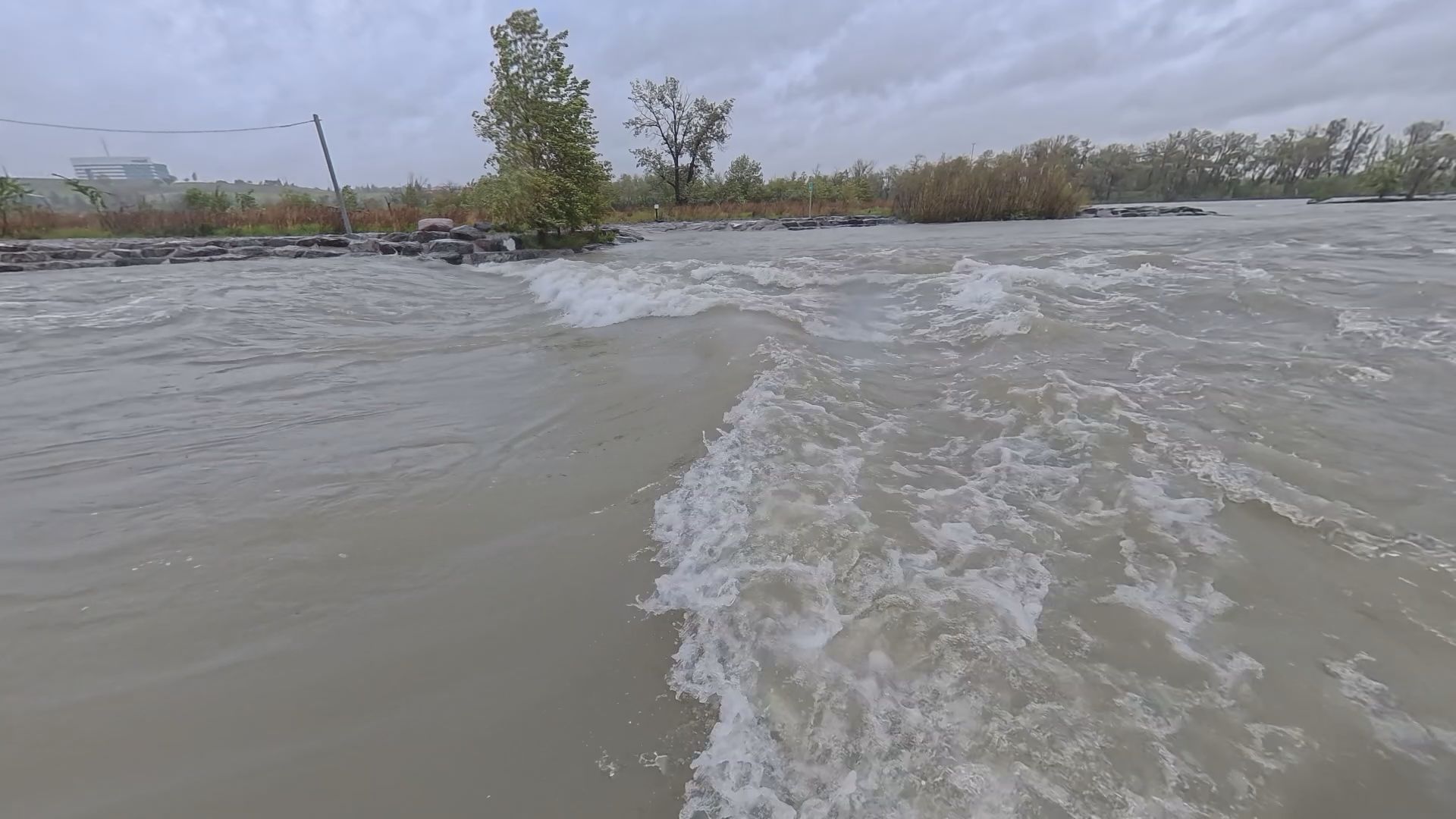
Naturally, the rivers are swelling. The Bow River is currently churning at over 360 cubic metres per second. On an average June day, you would expect to see it moving at about 150 cubic metres per second. Yes, it is running more than double its normal rate. Yes, it looks angry, murky, and fast.
But let's put those numbers into perspective. During the catastrophic 2013 floods, the Bow River peaked at a terrifying 1,840 cubic metres per second. The Elbow River, which is currently sitting comfortably below the Glenmore Dam, exploded past 1,200 cubic metres per second back then. Today's flows are less than a quarter of those historic peaks.
We are dealing with high spring runoff, not an apocalypse.
Weather Dynamics Working in Our Favor
We lucked out with the thermometer this time. Unlike the system that triggered the disaster thirteen years ago, this current weather front brought a sharp drop in alpine temperatures.
Why does that matter? It means a huge chunk of that heavy precipitation fell as snow at higher elevations in the Rocky Mountains instead of rain.
If it rains on mountain snowpacks, it creates a chainsaw effect. The warm rain rapidly melts the snow, sending a wall of water rushing down the valleys directly into our backyard. Instead, the freezing mountain temperatures have effectively locked that moisture in place as fresh powder. It slowed down the alpine snowmelt, drastically reducing the volume of streamflow runoff entering the Bow and Elbow systems.
The Upstream Shield We Didn't Have Before
Calgary isn't just relying on good weather luck. Over the last decade, the city has fundamentally rebuilt its relationship with upstream water management. We are finally seeing those long-term investments pay off in real-time.
Before the rain even started, emergency management officials pulled the trigger on pre-emptive reservoir draws.
- The Glenmore Reservoir: Water managers aggressively lowered the reservoir to expand its capacity. Right now, it is sitting at just 43% capacity. It has massive structural room to swallow the incoming surge from the Elbow River.
- Ghost Reservoir: Upstream on the Bow, TransAlta throttled back its water storage to create an enormous buffer zone.
By deliberately dropping these water levels early, the city created a giant shock absorber. The surge of water from the mountains gets trapped in these upstream basins, allowing engineers to meter out the flow through Calgary at a safe, controlled speed. City officials estimate that these systemic upgrades, alongside localized berms and flood walls, have reduced Calgary's total flood damage potential by an impressive 70%.
What to Actually Expect in Your Neighborhood
You will see some local mess, but it is exactly what our infrastructure was built to handle.
Don't be shocked if you see water pooling deep on your street or bubbling up around catch basins. When this much rain falls in a short window, the storm sewers get overwhelmed temporarily. Neighborhoods are designed with "trap lows"—intentional depressions in roads and greenspaces that hold water safely away from home foundations until the drainage system can catch up.
You will also notice localized pathway closures along the riverbank. Low-lying areas like Prince's Island Park or parts of the Bow River pathway network will likely see some water creeping over the asphalt. It is regular spring behavior.
The Real Danger Right Now
The genuine threat this week isn't to your living room; it's to your safety if you get too close to the edge.
The Calgary Fire Department has issued an official Boating Advisory, and for good reason. The Bow and Elbow are moving with incredible, deceptive power. The water is freezing cold, choked with hidden debris, and the banks are incredibly unstable. The heavy flow is actively eroding riverbanks from underneath. A ledge that looks perfectly solid to stand on can collapse into the torrent without warning.
Fire crews were already called to Harvie Passage on Monday afternoon for a water rescue call involving a group of kayakers. While they didn't end up needing a physical rescue, it highlights a frustrating reality: emergency resources shouldn't be risked because people want to test their limits against an angry river. Stay off the water. Keep your dogs on a short leash, and keep your kids back from the edge.
Your Immediate Next Steps
The rain is easing up through Tuesday, and the crest will pass. Here is what you should do right now instead of doom-scrolling the weather app:
- Clear your local catch basins: If you see leaves, trash, or debris blocking the storm grate on your street, take two minutes to clear it with a shovel. It prevents that annoying street pooling from turning into a flooded driveway.
- Check your sump pump: Make sure it's actually plugged in and humming. With the ground completely saturated, your foundation weeping tile is working overtime.
- Check the map before you commute: If your regular walk, run, or bike commute follows the river pathways, log onto calgary.ca to check for active pathway closures before you head out the door.
- Call 911 immediately if you spot trouble: If you see someone slip into the water or get stranded on an island, do not attempt to jump in after them. Call for the Calgary Fire Department's aquatic rescue team right away.
The city has this under control. Our infrastructure is doing exactly what we paid for it to do. Clean out your gutters, stay away from the riverbanks, and enjoy the fact that by mid-week, the worst of this system will be behind us.