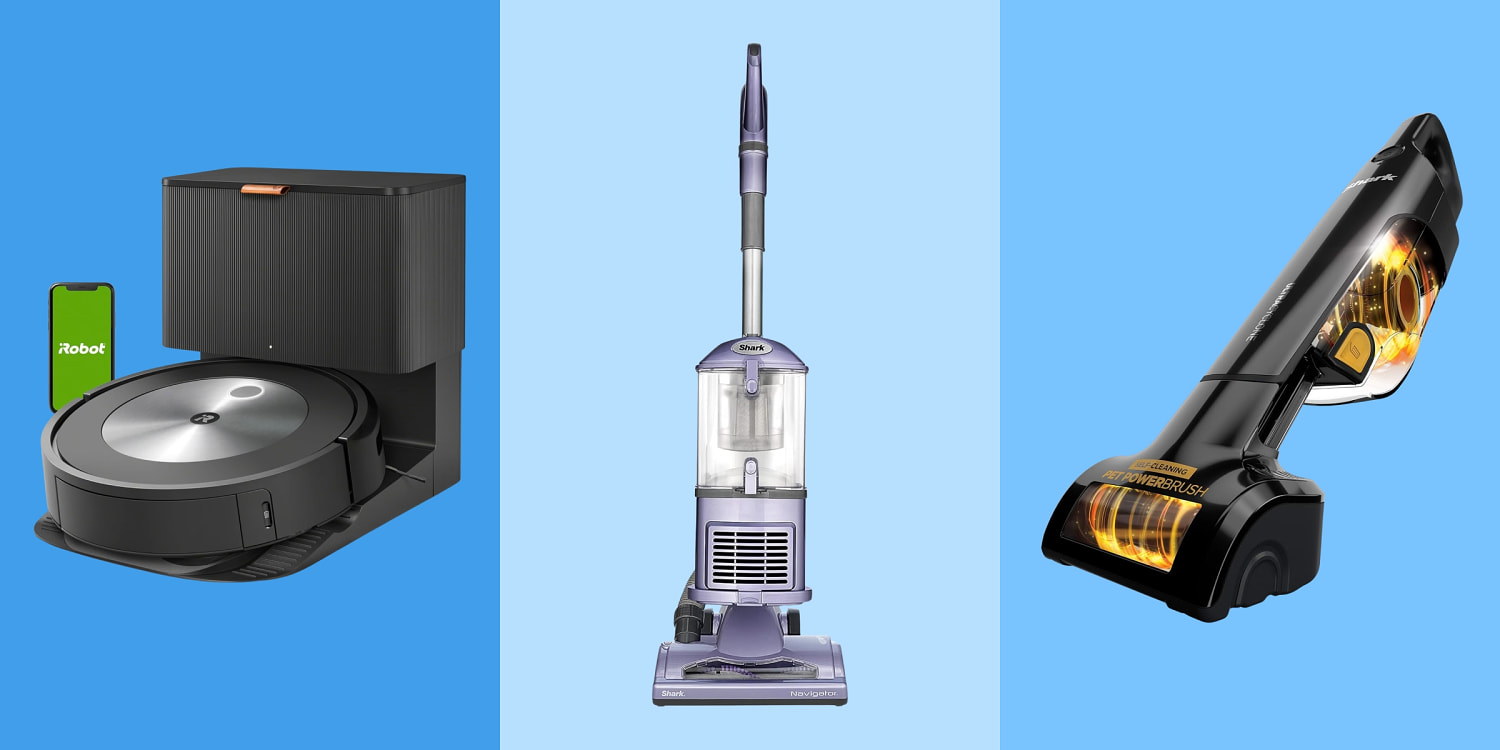
You walk down the appliance aisle, stare at twenty different plastic boxes with glowing LED displays, and realize you have no idea what makes one cost eight hundred dollars while another costs ninety. Marketing departments love selling you raw suction numbers that mean nothing in your actual hallway. They talk about air watts and orbital brush rolls like you are building a rocket ship. Honestly, you just want to pick up the cat hair off the rug before guests come over.
Choosing between a cordless stick, an upright monster, or an autonomous robot feels like picking a weapon for a war you did not sign up for. Each style comes with massive compromises that manufacturers bury in the fine print. Let us break down what these machines actually do when you bring them home, strip away the hype, and look at the best models available right now.
The Cordless Stick Illusion
Cordless stick vacuums sell themselves on freedom. You grab it off the wall mount, zip around the kitchen island, and hang it back up without ever unplugging a cord. It is fast, lightweight, and genuinely fun to use. But the dirty secret of every cordless machine is battery degradation and suction drop-off.
If you buy a high-end option like the Dyson V16 Piston Animal, you get ridiculous suction power that actually rivals old corded behemoths. It crosses the three-hundred air watt threshold and handles deep pile carpets without coughing. You get green lasers lighting up microscopic dust bunnies that your eyes normally miss. It is brilliant.
The catch? Run time on maximum power lasts about eight minutes. If you run it on Eco mode to save juice, it leaves behind heavier debris like stray pieces of kitty litter or cereal crumbs. Batteries also have a hard expiration date. Expect to replace the power pack every few years, which basically adds a subscription fee to your floor care routine.
If you want the cordless convenience without the four-figure price tag, alternatives like the Shark PowerDetect Clean and Empty offer smart middle ground. These units drop into a base station that sucks the debris out of the stick automatically. You avoid creating a dust cloud every time you empty the tiny onboard bin over your kitchen trash can.
The Upright Workhorse Nobody Wants to Store
Upright vacuums are ugly, heavy, and require you to dance around a thick yellow cord. Nobody gets excited about buying one. Yet, when you own a home with heavy shedding pets or wall-to-wall carpeting, nothing else clears the fibers quite as deeply.
Machines like the SEBO Felix or the classic Shark Stratos upright do not rely on a dying battery pack. They draw raw, uninterrupted current straight from your wall outlet. The brush roll spins with mechanical force that resists getting bogged down by long human hair or pet fur.
The downside is physical labor. Carrying a fifteen-pound upright up a flight of stairs feels like a punishment workout. They take up a massive footprint in your hall closet, too. But if you hate buying a new vacuum every three years, a corded upright—especially a bagged unit—will easily outlive any trendy cordless gadget on the market. Bags trap dust completely, meaning your indoor air does not smell like old dog every time you hit the power switch.
The Robot Vacuum Trap
Robot vacuums promise a utopian future where you never think about cleaning floors again. You press a button on your phone, walk away, and come home to clean hardwood. The reality involves hunting down your robot because it ate a stray phone charging cable, got stuck under the TV console, or smeared a surprise pet accident across the entire living room floor.
Modern robot vacuums have gotten scarily smart with LiDAR navigation and AI obstacle avoidance. Flagship models from brands like Dreame and Roborock map your house in seconds and auto-empty their bins into massive base stations that hold weeks of dirt. Some even wash and hot-air dry their own mopping pads so they never smell like mildew.
You still have to prep your floors before they run. If your household is chronically messy with toys, clothes, and cables scattered everywhere, a robot vacuum becomes an expensive paperweight that constantly screams for help via push notifications. Treat them as maintenance tools for daily surface dust, not deep cleaners that replace manual labor.
Matching the Machine to Your Actual Life
Stop trying to find a single machine that does everything perfectly because it does not exist. If you live in a small apartment with mostly hard floors, grab a lightweight cordless stick and call it a day. You do not need an upright.
If you manage a multi-level house with kids, heavy carpets, and multiple shedding dogs, your best strategy involves a two-part setup. Keep a reliable corded upright in the basement or closet for deep weekend cleans, and use a basic stick or a scheduled robot vacuum for daily crumb patrol. Assess your floor type, face your tolerance for maintenance, and buy the tool that fits your routine instead of chasing shiny tech features you will use twice.