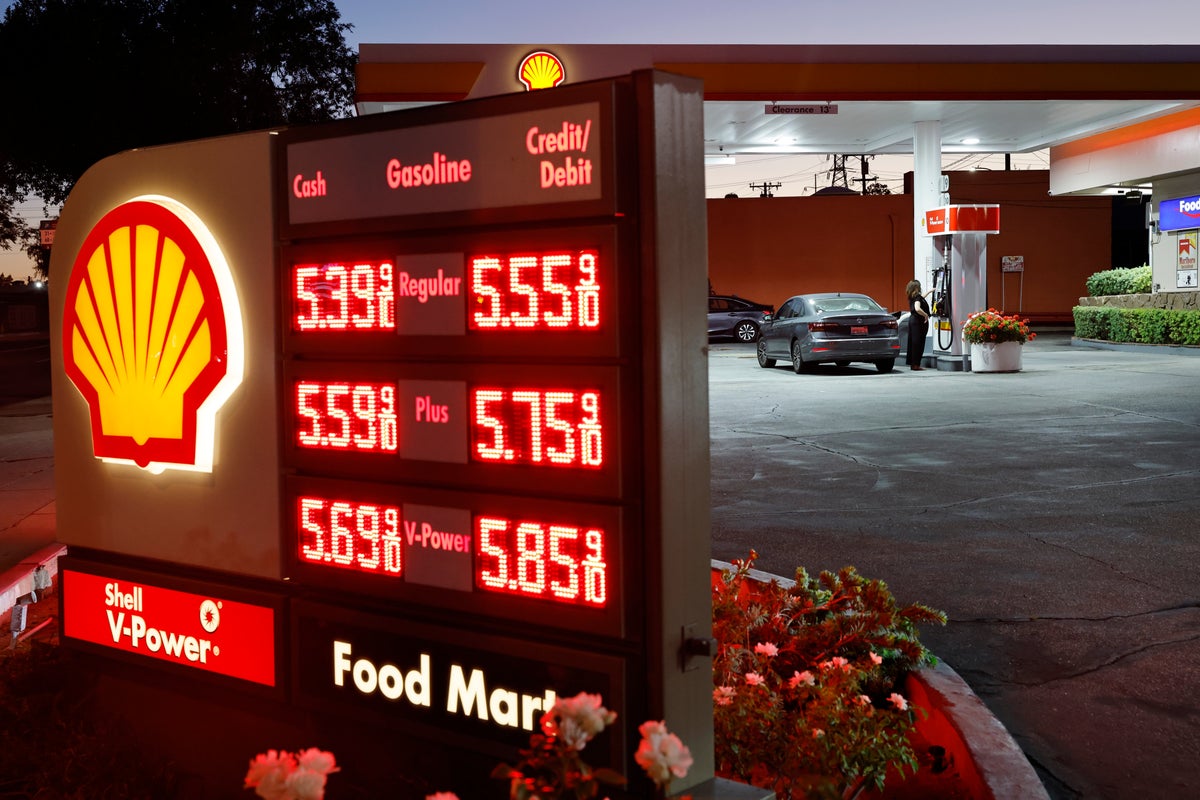
The global economy hangs on a narrow throat of water where roughly twenty percent of the world's petroleum and liquefied natural gas traditionally transit. When President Donald Trump announced that a diplomatic breakthrough regarding the Strait of Hormuz could materialize within days, international crude benchmarks dropped sharply. Markets desperately crave stability. Yet beneath the optimistic White House statements and volatile price drops lies a starkly different reality on the ground and in the high-stakes corridors of Middle Eastern diplomacy.
The Anatomy of a Chokepoint
Controlling a maritime highway means controlling global energy supply lines. Before the current conflict severely constrained shipping flows, the strait served as the primary marine artery for exporters in Saudi Arabia, Iraq, the United Arab Emirates, and Kuwait. When military hostilities flared and a naval blockade took hold, cargo volumes plunged, triggering explosive spikes in energy costs that reverberated through every major industrial sector.
The core dispute centers on sovereignty, routing, and transit management. Tehran has consistently claimed broad regulatory authority over the passage, insisting that commercial traffic adhere to specific corridors close to Iranian territorial waters. Conversely, Washington and its regional allies maintain that the corridor must remain open under international freedom of navigation principles, free from unilateral fees, tolls, or security checkpoints managed by the Iranian military.
Why Claims of Imminent Breakthroughs Fail to Match Reality
Public declarations of fast-approaching resolutions often serve a distinct political function. They soothe panicking financial markets and signal to domestic constituencies that inflation pressures are being actively managed. However, a wide chasm persists between American pronouncements and official stances in Tehran.
While regional intermediaries like Oman and Qatar have worked tirelessly to draft temporary transit blueprints, direct bilateral dialogue between Washington and Tehran remains intensely contested. Iranian officials have publicly downplayed direct engagement, framing discussions strictly around technical maritime management with Muscat rather than an immediate surrender of strategic leverage to the United States.
Consider a hypothetical commercial tanker attempting to transit the Persian Gulf today. Even if a temporary traffic scheme is floated on paper, ship captains face immediate operational hazards: unexploded ordnance, active naval patrols, overlapping security demands, and exorbitant war-risk insurance premiums that make regular voyages financially prohibitive. An announcement on a diplomatic breakthrough does not instantly clear sea mines or rewrite the security calculations of multinational shipping conglomerates.
The Mechanics of Mediation
Oman has shouldered an immense burden acting as a diplomatic conduit. Muscat recently floated proposals to split traffic into distinct lanes or establish cooperative maritime mechanisms reminiscent of management frameworks used in the Strait of Malacca. Under such a system, voluntary contributions or cooperative regional bodies would handle navigational aids and environmental safeguards, theoretically offering Tehran a face-saving exit strategy while preserving international transit rights.
Yet, this compromise risks hitting a wall of domestic political friction inside Iran. Hardline factions view control over the strait as a primary card in their geopolitical hand. Ceding that leverage without substantial, permanent sanctions relief leaves them vulnerable. Meanwhile, neighboring Gulf states watching their state budgets bleed from suppressed export volumes are pressuring all sides to accept temporary fixes, even if deep structural grievances remain unresolved.
The Real Price of Energy Uncertainty
Energy markets are currently pricing in a best-case scenario based on executive optimism. Brent crude dipping below eighty dollars a barrel reflects the immediate psychological impact of peace talks rather than actual tankers moving unhindered through the waterway. If negotiations stall or a minor military miscalculation occurs along the maritime boundary, prices can spike back toward previous highs within hours.
The illusion of a quick fix ignores the deep-seated mistrust governing the region. Solving the crisis requires untangling maritime traffic rules, naval blockades, nuclear program compliance, and regional security architectures. Until those structural pillars are genuinely secured, every optimistic headline represents a fragile truce written on shifting tides.


.png?width=1200&auto=webp&trim=0%2C0%2C0%2C0)