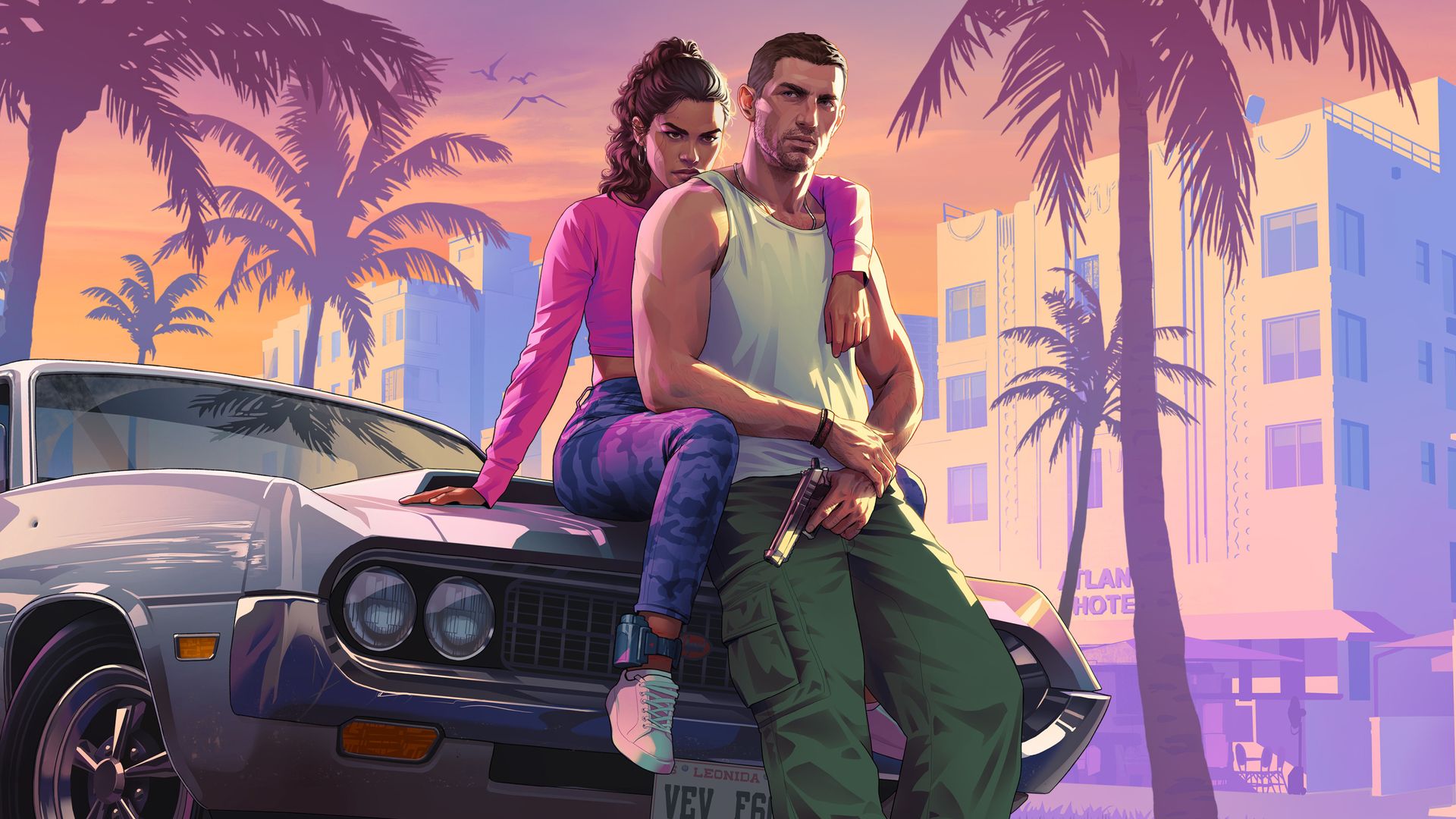
The modern video game marketing cycle thrives on chaos, but the recent uproar surrounding Grand Theft Auto 6 rumors highlights a deepening fracture between content creators and major publishers. When prominent streamer Clavicular publicly lashed out at the latest round of casting and character leaks, labeling Rockstar Games' alleged strategies as mere "clout chasing," it exposed a messy reality. The friction isn't just about who is playing whom. It is about how information is weaponized in an era where attention is the ultimate currency.
To understand why a streamer's venting resonated so deeply, you have to look past the surface-level drama. The gaming community has grown incredibly weary of the endless, unverified drip-feed of information regarding Rockstar’s next flagship title. Every single week brings a new supposed leak, a hidden frame from an old trailer, or a cryptic social media post from a voice actor looking to boost their follower count. Clavicular’s outburst wasn't an isolated incident of internet rage; it was a symptom of collective exhaustion. If you found value in this post, you should check out: this related article.
The Economy of Calculated Leaks and Creative Control
Rockstar Games has historically maintained an iron grip on its public relations. They do not use traditional press conferences, they rarely grant interviews, and their marketing campaigns operate on a timeline of absolute secrecy. Yet, the vacuum created by this silence is inevitably filled by speculation.
The core of the recent controversy stems from rumors suggesting the inclusion of internet personalities or highly specific social media archetypes within the game’s narrative. For a traditional studio known for satirizing American culture rather than pandering to its transient internet celebrities, this perceived shift feels jarring to purists. Critics argue that relying on real-world influencers for character inspiration—or even casting them—dilutes the sharp, detached parody that made the franchise famous. For another look on this event, refer to the recent update from BBC.
Content creators themselves are caught in a bizarre paradox. On one hand, discussing Grand Theft Auto 6 guarantees traffic, views, and revenue. On the other hand, the constant cycle of reporting on unsubstantiated rumors forces these creators into a position where they feel used by the broader industry apparatus. When a streamer accuses a multi-billion-dollar studio of chasing clout, they are turning the traditional power dynamic on its head. It is an acknowledgment that even the largest entertainment properties in the world are now dependent on the decentralized army of internet commentators to sustain their hype cycles over multiple years.
The Friction Between Satire and Pandering
Grand Theft Auto has always been a mirror held up to the worst excesses of society. From the predatory capitalism of the eighties featured in Vice City to the hyper-commercialized celebrity obsession of modern Los Angeles in its fifth iteration, the series succeeds because it punches up, down, and sideways with equal fervor.
The danger of integrating contemporary internet culture too deeply into the core fabric of the game is the incredibly short shelf life of digital trends. A meme that dominates the internet for three weeks in 2024 will feel completely ancient by the time a game releases years later. If the rumors regarding specific character directions are true, Rockstar risks moving away from timeless cultural satire and moving toward a dated time capsule.
The Cost of Digital Authenticity
Developing a world that feels alive requires more than just high-fidelity graphics. It requires cultural resonance. When development cycles stretch to near a decade, maintaining that resonance becomes a logistical nightmare.
- Development timelines vs cultural shifts: A joke written in a script in 2021 might be completely irrelevant or widely misunderstood by the time the game launches.
- The influencer trap: Aligning character traits with modern streaming culture risks alienating older fans who prefer the cinematic, narrative-driven roots of the studio's storytelling.
- The authenticity deficit: Audiences can spot forced relevance from a mile away, and the backlash from a failed attempt to capture "the youth market" can permanently damage a brand's prestige.
The skepticism from industry observers isn't unfounded. We have seen numerous high-profile titles stumble by trying too hard to speak the language of the internet. When a game tries to mirror the fast-paced, disposable nature of streaming culture, it often loses its own identity in the process.
Why the Backlash Matters Beyond the Hype
The anger directed at these rumors points to a larger problem facing major game development. The industry has become so massive, and the budgets so bloated, that risk aversion dominates every major decision. True innovation is frequently sidelined in favor of predictable, data-driven marketing metrics.
If the audience believes that a studio as historically rebellious as Rockstar is shifting toward safe, influencer-approved content, the foundational trust between the developer and the consumer begins to erode. This isn't just about a streamer calling out a corporation for clout chasing. It is about the audience demanding that the creators of Grand Theft Auto remain the trendsetters, rather than the trend followers.
The endless speculation will continue until the game is finally in the hands of players. Until then, every leak, every rumor, and every creator backlash serves as a reminder that the relationship between the gaming industry and its community is more volatile than ever. The studios that survive this hyper-critical environment are those that realize an audience cannot be sustained on empty hype alone.