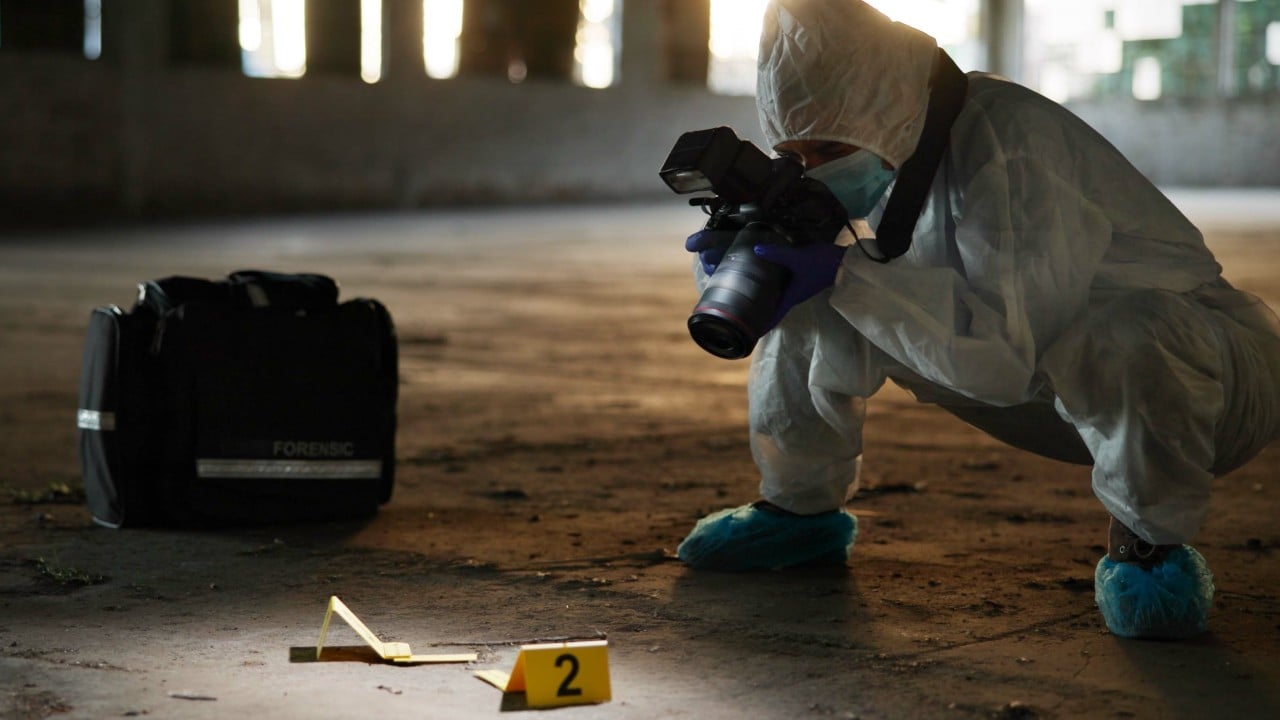
Chinese forensic teams face an incredibly high bar when determining cause of death in cases involving dismembered remains. When a body is recovered in multiple pieces, the immediate assumption of the public—and often the police—is homicide. However, modern forensic science dictates that mutilation does not automatically equal murder. Teams of specialized pathologists are routinely forced to reconstruct scattered anatomical evidence to prove whether a individual was killed by another person, or if post-mortem mutilation was used to cover up a natural death, accidental overdose, or suicide.
By analyzing micro-trauma on bone surfaces, tissue vital reactions, and toxicological markers, forensic experts can accurately pinpoint the exact moment life ended. They look past the sensationalized horror of a scattered body to uncover the cold, clinical reality of the final minutes of life.
The Anatomy of Post Mortem Mutilation
To understand how a forensics team rules out homicide, one must look at the strict distinction between antimortem injuries and post-mortem injuries. Pathologists do not focus on the cuts themselves; they focus on how the body responded to them.
When a living person is cut, the heart is pumping. Blood pressures push erythrocytes into the surrounding tissue, creating localized swelling, clotting, and deep bruising. If a body is dismembered after death, there is no blood pressure. The cuts are clean, pale, and remarkably free of systemic hemorrhaging.
Forensic experts utilize a specific checklist to isolate the true cause of death.
- Tissue Vital Reactions: Looking for cellular inflammation and histamine responses that only occur in living tissue.
- Keratin Surface Analysis: Inspecting the edges of wounds via scanning electron microscopy to detect tool marks and burning.
- Bone Margin Discoloration: Determining if structural fractures occurred while the bone was fresh or dry.
If a body shows completely bloodless margins across every single dismemberment site, the forensic team is forced to work backward. They must look inside the remaining organs to find what actually stopped the heart before the blade ever touched the skin.
Why Panicked Cover Ups Mimic Homicide
In many high-profile cases across East Asia, individuals have died of sudden medical emergencies or accidental drug ingestions during illicit activities. The companions present, terrified of China's strict criminal justice system or severe social ruin, panic.
Instead of calling emergency services, they make the catastrophic decision to hide the body by scattering it.
Consider a hypothetical scenario where an individual suffers a fatal cardiac arrhythmia brought on by hidden health defects during a private meeting. The surviving party, believing they will be blamed for murder, attempts a crude anatomical disposal. When a sanitation worker or passerby inevitably discovers a package of remains, the initial police response is treated as a major violent crime.
The forensic team, however, breaks the case open at the autopsy table. If the toxicology report shows lethal levels of a substance, or if the coronary arteries show acute thrombosis, the narrative shifts entirely. The individual died of natural or accidental causes. The subsequent dismemberment, while a severe crime against a corpse under Chinese law, is no longer a homicide investigation.
The Microscopic Evidence that Erases Doubt
When macro-evidence is lost due to decomposition or severe bodily destruction, teams lean heavily on bone biochemistry. Tool marks left by saws, cleavers, or knives leave microscopic striations on the bone cortex. Forensic analysts can match these patterns to specific household tools, tracking the exact movements of the person handling the blade.
Furthermore, if a body was subjected to heat or chemical exposure in an attempt to destroy DNA, the deep marrow often remains untouched. Marrow can preserve drugs, poisons, and cellular structures long after the outer skin has degraded. By extracting fluid from deep within intact bone segments, pathologists can establish a clear timeline of chemical exposure.
This rigorous scientific scaffolding is what allows a forensic team to confidently step forward at a press conference and contradict the public consensus. Ruling out murder in a case that looks undeniably like a slaughter is one of the most difficult, yet necessary, functions of a high-end investigative unit. It prevents the wrongful execution of panicked individuals for a murder that never actually took place.