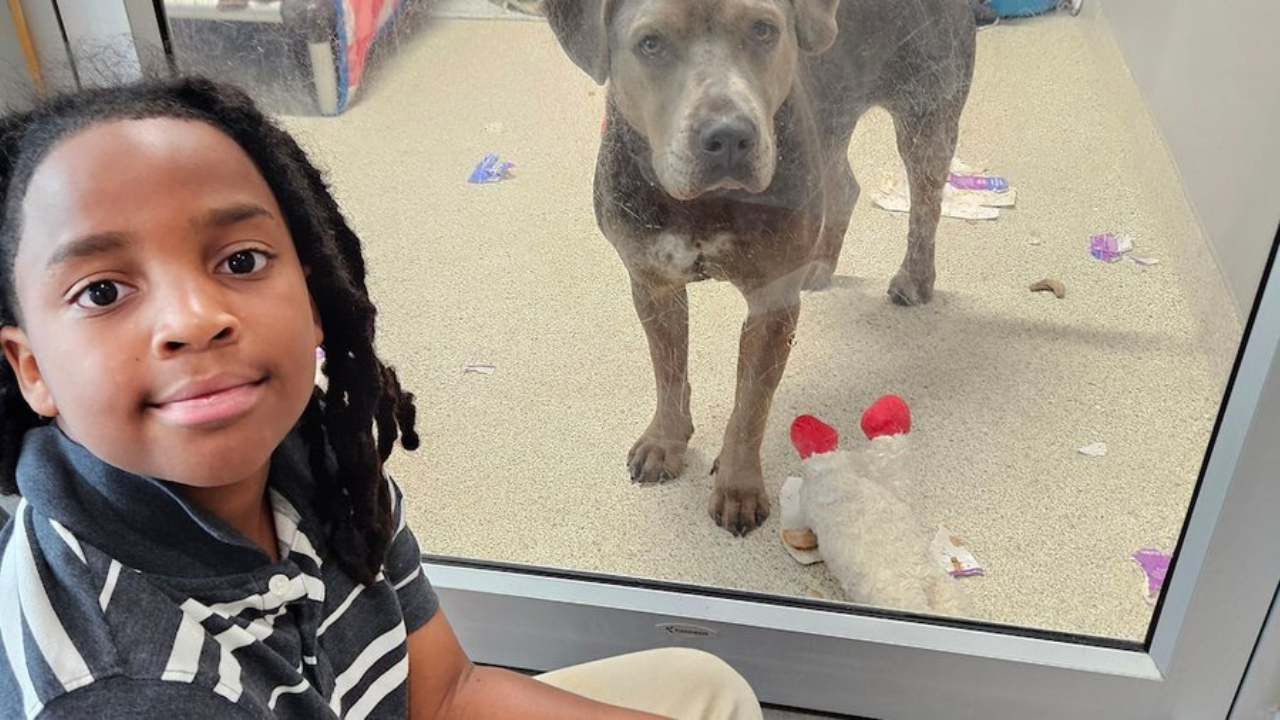
Eleven-year-old Nehemiah Turner did not set out to shatter records at the Jacksonville Humane Society. He simply wanted to quiet the noise. Over two years, alongside his grandmother, this Florida fifth-grader logged more than 100 volunteer hours reading aloud to anxious shelter dogs and cats through the Pawsitive Reading initiative, becoming the first child in the program's history to hit that milestone. While mainstream headlines frame this as a cute human-interest vignette about an extraordinary kid, the raw mechanics of what Nehemiah achieved expose a deeper, systemic vulnerability within modern animal welfare operations.
Shelters are loud, high-stress environments. Concrete walls bounce sound. Metal bars clang. Hundreds of displaced animals live in a perpetual state of sensory overload, producing elevated cortisol levels that manifest as frantic barking, pacing, and self-harming behaviors. Potential adopters walk down concrete corridors and encounter a wall of raw anxiety. That psychological barrier often seals an animal's fate. Dogs that bark aggressively out of sheer terror are routinely labeled unadoptable.
Enter the human voice.
When a child sits quietly outside a kennel and reads a book, the dynamic shifts. The posture is non-threatening. The eye contact is broken. The sound waves carry a rhythmic, low-frequency cadence that acts as an auditory anchor for a panicked animal. Nehemiah spent countless hours reading to dogs like Hopper, who lingered in the facility for nearly 400 days before finally securing a permanent home. The physical presence of a calm human listener changes the neurochemistry of a shelter pet. Heart rates drop. Cortisol metrics stabilize. The animal learns to associate the presence of a human voice with safety rather than abandonment.
Yet, relying on children to perform baseline behavioral therapy highlights the chronic underfunding of municipal animal rescue infrastructure.
The Strain Beneath the Surface
Most public and private animal shelters operate on razor-thin margins. Professional behaviorists are expensive luxuries reserved for elite private rescues. Standard municipal facilities juggle hundreds of intakes daily with skeleton crews of overworked staff and well-meaning volunteers. When a facility has to choose between funding medical care and hiring full-time behavioral enrichment specialists, medical care wins every time.
Programs like the Pawsitive Reading initiative bridge that gap. They cost almost nothing to run. They require only a quiet corner, a stack of books, and a willing participant. But treating community volunteers as a primary engine for animal rehabilitation introduces structural risks.
Consider the training curve. Children are inherently empathetic, but animal psychology is complex. A frightened dog can misread a movement, and a child can miss subtle physiological warnings of impending aggression. While structured programs mitigate these risks with strict safety protocols and mandatory orientations, the burden of animal mental health should not rest on the shoulders of elementary school students.
Furthermore, burnout among shelter workers is an invisible crisis. When staff members watch animals deteriorate psychologically behind bars month after month, compassion fatigue sets in. The presence of young volunteers injects a much-needed morale boost into jaded rooms. Adults see a child sitting patiently outside a cage, and the collective atmosphere shifts from institutional despair to active hope.
Moving Beyond the Cliché
The internet loves a feel-good story about an exceptional child. Social media algorithms reward viral snapshots of kids holding gold paw-print badges and certificates signed in gold ink. But reducing Nehemiah's achievement to a wholesome anecdote misses the structural critique that industry analysts must confront.
Why do rescue animals spend four hundred days in a cage? Why is behavioral enrichment treated as an extracurricular activity rather than a mandatory component of veterinary care?
The answer lies in systemic overcrowding and the broken economics of pet ownership. Breeders continue to flood the market, backyard breeding operations evade regulation, and municipal budget cuts starve animal control divisions of resources. When the safety net fails at the policy level, it falls onto the community to pick up the pieces.
Nehemiah Turner proved that a human voice can change a life. He demonstrated that patience and consistency can make a shelter animal more adoptable. But his story is also an indictment of a system that requires an eleven-year-old boy spending his weekends in a concrete kennel block to supply the basic emotional comfort that every rescue animal deserves by right of existence.
The next time a viral post celebrates a child saving a shelter pet, look past the heartwarming headline. Ask why the animal was frightened in the first place, and where the adults were supposed to be.