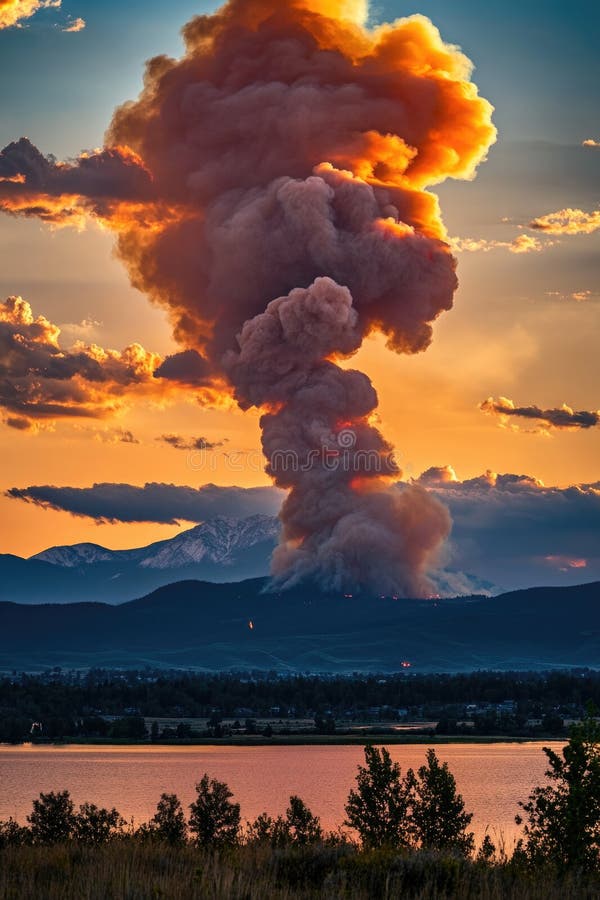
Moscow targeted three Ukrainian river and maritime ports overnight, striking critical infrastructure and fuel storage depots across the Odesa and Danube regions in an intensified push to choke Kyiv’s economic arteries. Russian military authorities confirmed the strikes, describing them as precision bombardments against facilities supporting Ukraine's war effort. Yet behind the official press releases lies a calculated campaign to systematically destroy Ukraine's export logistics, disrupt civilian energy reserves, and force Western nations to absorb the compounding cost of sustaining a blockaded nation.
The overnight barrage represents more than a routine tactical exchange on a map. By focusing heavy ordinance on port silos, fuel dumps, and loading piers along the Black Sea and the Danube River, Russian planners are striking at the heart of Ukraine's financial self-reliance. Grain and agricultural goods remain Ukraine’s primary source of foreign currency. Denying Kyiv the physical means to export those commodities inflicts immediate, compounding damage on its national budget.
The Logistics of Economic Suffocation
Striking a port yields immediate operational returns for an attacking force. Logistics hubs are stationary, sprawling, and filled with volatile materials like petroleum and dry agricultural dust.
When a drone or cruise missile hits a bulk fuel storage tank, the resulting fire rarely remains contained to a single unit. Radiant heat damages neighboring infrastructure, warps rail lines, and renders loading cranes useless for months. Repairing specialized port equipment during active hostilities is nearly impossible. Global engineering firms hesitate to send technicians into active conflict zones, and replacement components face massive supply chain delays.
The target selection reveals a clear operational progression. Early in the conflict, strikes aimed primarily at military command posts and air defense arrays. The focus has since shifted toward economic targets that dictate whether Ukraine can survive as a functioning state over a multi-year horizon.
The Danube River Bypass Under Pressure
When Black Sea access became perilous, Ukraine pivoted heavily toward its Danube River ports, such as Izmail and Reni. These inland waterways offered a vital lifeline, allowing barges to move grain directly into Romanian waters and onward to international buyers.
Russia adjusted its targeting doctrine accordingly. Loitering munitions now routinely target grain elevators, repair yards, and fuel bunkering stations along the riverbank.
- Storage Depots: Striking silos deprives farmers of safe holding capacity, forcing them to sell crops at a loss or allow yield to rot in the field.
- Refueling Hubs: Destroying diesel reserves stalls both civilian transport trucks and river tugboats, creating massive bottlenecks along export corridors.
- Piers and Cranes: Heavy machinery cannot be easily hidden or armored, making loading gear an exceptionally fragile single point of failure.
This pressure on river transport creates an acute logistics crisis. Grain trucks queue for miles along narrow rural roads leading to remaining operational docks, turning long lines of transport vehicles into vulnerable targets.
Western Insurance Markets as a Secondary Battlefield
Physical destruction of a pier is only half the objective. The secondary target is the maritime insurance industry in London and Europe.
Commercial shipping operates on strict risk assessments. A shipowner will not charter a vessel into a war zone unless international underwriters provide hull and machinery coverage alongside war risk insurance. Every strike on a Ukrainian port sends risk premiums skyrocketing.
When insurance rates spike beyond commercial viability, a port is effectively blockaded without a single enemy warship needing to enforce a line at sea.
By maintaining a steady tempo of strikes on port infrastructure, Moscow ensures that war risk insurance rates remain prohibitively high. Even if a dock survives a missile attack intact, commercial ship captains will refuse to dock there if their insurers revoke coverage. Ukraine is then forced to subsidize insurance funds out of its own depleted treasury to tempt commercial fleets back into the Black Sea.
Energy Reserves and Winter Operations
The overnight strikes targeting fuel depots hit a second critical target: Ukraine’s operational mobility. Fuel is the baseline requirement for everything from agricultural tractors to civilian power generators and military transport.
Striking fuel storage facilities during periods of high agricultural demand hits two sectors simultaneously. Farmers require millions of gallons of diesel during harvest and planting cycles. Disrupting local fuel supplies forces regional authorities to make brutal trade-offs between fueling civilian transport, powering backup generators for hospitals, or supplying the military logistics network.
Russia uses swarms of low-cost loitering munitions to strain Ukrainian air defense networks before launching heavier cruise missiles. Ukraine faces an impossible calculus: expend millions of dollars worth of rare Western surface-to-air missiles to shoot down low-cost drones, or conserve those interceptors and allow port infrastructure to absorb direct hits.
The Long-Term Realities of Maritime Recovery
Rebuilding damaged port infrastructure requires years of capital investment and absolute security guarantees. Neither condition exists today.
International trade routes adapt quickly to friction. When Ukrainian grain exports face constant disruption, global buyers shift their supply chains to alternative producers in South America, North America, or Australia. Once those long-term supply contracts are rewritten, Ukraine will struggle to win back those customers even after hostilities end.
The destruction of grain handling systems, dock facilities, and energy infrastructure along the Black Sea coast demonstrates that modern warfare extends far beyond frontline trenches. Russia's targeting of Ukrainian ports is an exercise in economic attrition, designed to make the long-term cost of sustaining Ukraine unsustainable for both Kyiv and its international partners. Every destroyed crane and burned fuel depot adds years to the country's ultimate economic recovery.


