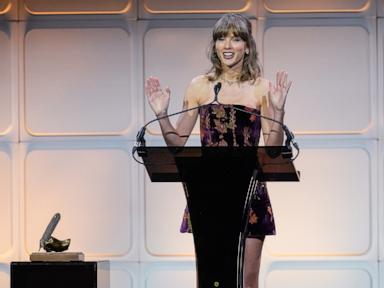
Sir Tom Jones recently pulled the plug on two scheduled live performances due to an acute illness, issuing a direct apology to ticket holders and promising rescheduled dates or full refunds. On the surface, a veteran vocalist stepping back from the microphone to nurse a compromised throat or upper respiratory infection is standard operating procedure in the live music sector. Yet when an octogenarian powerhouse cancels back-to-back arena or amphitheater engagements, the ripple effects expose the fragile financial architecture, extreme physical demands, and high-stakes insurance mechanics governing legacy touring acts today.
Most entertainment outlets treat a canceled concert as a brief human-interest blurb. They reprint the publicist's statement, wish the artist a speedy recovery, and move on to the next press release. That surface-level reporting misses the actual story. In the modern live entertainment industry, a last-minute cancellation by a headliner of Jones's stature triggers a complex chain reaction involving promoter guarantees, non-appearance insurance deductibles, crew payroll obligations, and the unforgiving biology of aging vocal cords. In similar updates, take a look at: The Structural Economics of Representation in A Different World.
The Anatomy of a Last-Minute Cancellation
When a touring singer wakes up with laryngitis, bronchitis, or a viral upper respiratory infection, the decision to cancel is rarely made lightly or unilaterally. Before any public statement hits social media, an otolaryngologist—commonly known as an ear, nose, and throat specialist—usually examines the performer's vocal folds using a stroboscope.
The math is brutal. Performing through acute vocal fold inflammation risks permanent hemorrhage or polyps, injuries that can end a six-decade career overnight. For a baritone whose entire brand relies on sheer vocal power and resonance rather than backing tracks or heavy choreography, singing while compromised is professional suicide. E! News has analyzed this critical topic in extensive detail.
Once the medical verdict comes down, the operational clock starts ticking. Venues have already staffed security, catering, and box office personnel. Local stagehands have often already unloaded semi-trucks full of lighting trusses and soundboards. Canceling hours before doors open means absorbing sunk costs that nobody wants to pay.
The Financial Domino Effect on Promoters and Venues
To understand what happens behind the curtain when Sir Tom Jones cancels two shows, consider the standard financial structure of a legacy tour. Unlike emerging artists who play for door splits or modest guarantees, established icons command substantial upfront guarantees against a percentage of net box office receipts.
Let us look at a hypothetical example to illustrate how the numbers break down for a mid-sized venue holding 5,000 people. Suppose tickets average $120, generating a gross potential of $600,000.
- Artist Guarantee: Often structured around $150,000 to $250,000 per night, depending on the territory and routing.
- Production Costs: Sound, lighting, rigging, and local crew wages easily eat up $40,000 to $75,000 before a single note is sung.
- Venue Overhead: Security, ushers, utilities, and municipal fees add another $25,000 to $40,000.
- Marketing Spend: Local radio, digital ads, and print campaigns—usually $15,000 to $30,000—are already spent and entirely unrecoverable.
When a show is postponed rather than outright canceled, the promoter holds onto the cash float from ticket sales, buying time to lock in a makeup date. However, when a routing gap makes rescheduling impossible and refunds are triggered, the promoter loses every dime spent on local marketing and load-in labor, while the primary ticketing platform often retains certain service fees or absorbs processing chargebacks.
Why Touring Past Eighty Breaks Traditional Industry Models
Sir Tom Jones has spent more than sixty years on the road, operating with a work ethic forged in the grueling club circuits of South Wales and the relentless residency schedules of 1960s Las Vegas. That longevity is remarkable, yet it places him inside a small, unprecedented cohort of performers pushing the boundaries of human endurance in their eighties.
Decades ago, rock and pop stars retired from heavy touring by fifty. Today, legacy acts drive the highest-grossing segments of the global concert business. Fans pay premium prices to see authentic legends while they still can, creating immense financial incentives for artists, managers, and agencies to keep booking dates well into an artist's eighth or ninth decade.
The human body does not care about box office demand. Aging changes the larynx in specific, measurable ways. Vocal folds lose elasticity and muscle mass over time—a condition clinicians call presbyphonia. Recovery from a simple cold or sinus infection that might take a twenty-five-year-old singer forty-eight hours can sideline an eighty-something vocalist for two weeks.
The Routing Trap
Modern tour routing exacerbates these physical vulnerabilities. Because venue availability is tighter than ever—driven by a post-pandemic surge in touring artists competing for the same arenas and outdoor sheds—routing schedules are frequently dictated by open calendar dates rather than optimal rest intervals.
A routing sheet might force a performer to play back-to-back nights in different cities, separated by an overnight bus ride or an early morning commercial flight. Cabin air dehydrates the mucous membranes lining the throat. Fluctuating air conditioning in hotels and dressing rooms irritates sensitive airways. When an artist operates on tight margins of physical recovery, a single minor virus topples the entire schedule.
The Hidden World of Non-Appearance Insurance
Whenever a major artist cancels due to illness, fans naturally wonder who absorbs the financial blow. The answer lies in non-appearance insurance, a specialized underwriting market dominated by syndicates at Lloyd's of London.
Coverage is neither cheap nor guaranteed. Before an underwriter writes a policy for a performer over seventy-five, the artist must undergo rigorous independent medical evaluations. Blood panels, cardiovascular screenings, and vocal cord examinations are standard prerequisites.
Even when coverage is secured, policies come loaded with strict exclusions and hefty deductibles:
- Pre-existing Conditions: Any illness linked to a documented chronic issue—such as recurring bronchitis, acid reflux, or previous orthopedic surgeries—is routinely excluded from payouts.
- Deductible Thresholds: Policies frequently require the artist to miss a minimum number of shows—often two or three consecutive dates—before a claim triggers. Canceling just two shows sometimes leaves the touring entity absorbing the entire loss out of pocket.
- Proof of Incapacity: A doctor's note isn't enough. Insurance adjusters demand clinical proof that performing would have caused physical harm or was medically impossible, preventing artists from canceling simply because their voice felt slightly tired.
For touring veterans, keeping an unblemished claims record is vital. Every illness-related cancellation drives up premiums for the next tour cycle, directly eating into the artist's net take-home pay. Consequently, artists push themselves to the absolute brink before pulling the plug. When someone with Jones's reputation for durability cancels, it signals genuine physical incapacity rather than mere fatigue.
The Lip-Sync Dilemma and Why Jones Refuses to Cheat
In an era where backing tracks, pitch correction, and pre-recorded vocal stems are commonplace even among major stadium acts, a singer with a sore throat could theoretically phone it in. Many modern tours run redundant vocal tracks underneath the live microphone, allowing frontmen to drop out during demanding choruses while the audience remains none the wiser.
Sir Tom Jones belongs to an older school of live performance. Throughout his career, his live show has been built on dynamic vocal improvisation, spontaneous key changes, and raw acoustic projection. Relying on pre-recorded vocals would dismantle the very thing audiences pay to witness.
Canceling a show when the voice isn't there represents an adherence to an unwritten contract with the audience. Ticket buyers paying hundreds of dollars deserve the genuine article, not a pantomime. While an immediate cancellation frustrates travelers who booked hotels and flights, delivering a subpar, mimed performance inflicts far deeper, lasting damage to an artist's credibility.
What Ticket Holders Actually Face When Shows Drop
Beyond the boardroom math and medical realities lies the immediate frustration of the consumer. When a headliner cancels two dates on short notice, the secondary ticketing market turns into a minefield.
Fans who purchased tickets directly through primary box offices—such as Ticketmaster, AXS, or the venue's own portal—generally enjoy straightforward protections. If a show is canceled outright, automated refunds usually process within fourteen to thirty business days. If the show is postponed, buyers typically receive a thirty-day window to request a refund if the new date does not work for their schedule.
The real casualties are buyers who used unauthorized resellers or speculative ticket brokers. While established secondary marketplaces like StubHub or Vivid Seats guarantee refunds for canceled events, they routinely withhold refunds for postponed events, forcing buyers to either attend the rescheduled date months later or attempt to resell the tickets themselves—often at a steep loss. Furthermore, ancillary travel expenses—non-refundable hotel rooms, train tickets, airfare, and childcare—are almost never covered by event insurance unless the buyer purchased specialized travel policies upfront.
The Reality of Legacy Touring Moving Forward
Looking at the broader concert economy, illness-related cancellations by veteran performers are no longer anomalies; they are an inevitable statistical reality. As iconic figures from the 1960s and 1970s continue performing into their late seventies and eighties, promoters, insurers, and fans have had to recalibrate expectations.
We see this reflected in how tours are now paced. Smarter management teams build mandatory two-day rest buffers between performances, utilize private aviation to minimize exposure to airborne illnesses and dehydration, and carry on-tour vocal therapists and medical personnel. Even with those safeguards, biology remains undefeated.
Sir Tom Jones's apology to his fans reflects the genuine regret of a consummate showman who views a missed performance as a personal failing. Yet his brief step back from the stage serves as a stark reminder to the entire live music industry: the golden era of rock and pop legends is operating on borrowed time, and every night they actually make it to the microphone is a triumph over age, physics, and the grueling mechanics of the road.