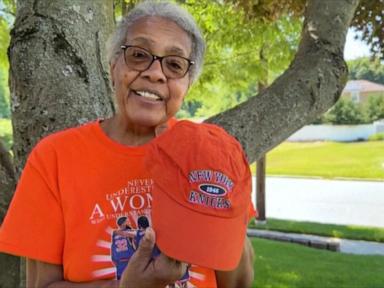
The corporate broadcast presents a clean, heartwarming narrative. Before the ball tips off for Game 2 of the NBA Finals between the New York Knicks and the San Antonio Spurs, cameras pan to standard profiles of generational loyalty. You see the baseline superfans, the heartwarming local community fixtures surprised with tickets on morning television, and the eccentric subcultures like San Antonio’s Salesian Sisters wearing custom silver-and-black jerseys over their habits.
It is a beautiful picture of sports bringing people together. It is also entirely incomplete.
Behind the heavily curated human-interest packages lies a starker, more aggressive economic reality. The 2026 NBA Finals has become a battleground not just for players on the hardwood, but for the very soul of sports fandom. As the Knicks and Spurs meet in an unexpected cross-generational clash, the underlying system is pricing out the traditional working-class fan base, weaponizing geographic restrictions, and turning authentic devotion into a high-stakes luxury commodity.
The Hostile Takeover of the Frost Bank Center
The Knicks took Game 1 on the road in a gritty 105-95 victory, but the real story unfolded in the concourses and on secondary ticketing platforms. For months, the San Antonio front office watched the postseason secondary market with growing panic. They knew what happened when the New York fan base mobilized during earlier rounds.
To prevent a total blue-and-orange takeover of their home arena, the Spurs front office implemented a hardline tactic. They restricted Ticketmaster sales for the Finals to credit cards tied to zip codes within a 150-mile radius of San Antonio. Any orders originating outside that boundary were summarily canceled.
Furthermore, the organization threatened to permanently revoke the season ticket packages of local holders caught offloading their seats to New York buyers on the secondary market.
It did not work.
The New York fan base simply absorbed the friction as a transaction cost. Wealthy expatriates, corporate brokers, and die-hard travelers bypassed the geographic blocks through regional proxies and speculative brokers. By the time the gates opened for Game 1, the cheap seats at the Frost Bank Center were trading for $800 minimum, while a comparable nosebleed seat back at Madison Square Garden for Game 3 was clearing $4,000.
The result was an immediate, volatile cultural friction. Fights erupted in the arena concourses as traveling New York fans clashed with locals who felt their home turf had been bought out from under them. One widely circulated video captured a physical altercation where a New York fan had his jewelry ripped off during a heated shouting match. This is not the clean, family-friendly atmosphere broadcast executives project. It is the natural consequence of an economic system that treats tickets like high-yield tech stocks.
Divine Intervention Versus Corporate Isolation
To find the actual heart of these fan bases, you have to look away from the courtside rows where actors like Timothée Chalamet sit for free. The true institutional memory of these franchises exists in spaces that the modern sports economy struggles to monetize.
Consider the Salesian Sisters of St. John Bosco, known locally as the Spurs Nuns. Their relationship with the team spans more than two decades, beginning when retired sisters started writing letters of encouragement to Gregg Popovich during his tensest coaching years. The late Erin Popovich maintained a quiet, deep relationship with the sisters, embedding them into the fabric of the organization long before Victor Wembanyama arrived.
On game nights, the sisters pray for player safety and team unity. Wembanyama himself has embraced them, bowing his head for pre-game blessings. It is a genuine, organic connection. Yet, the sisters are quick to point out the practical reality of their situation. Their visibility during this Finals run is not just about team pride; it is a vital survival mechanism for their actual mission.
"All of this is divine providence... because we're actually very much in need," noted Sister Bernadette Mota. "Our mission, we rely on the generosity of people."
The spotlight brings in critical donations ranging from $10 to $100 to keep their youth programs running. The team uses their imagery for cultural authenticity, and in return, the sisters leverage the exposure to fund basic community necessities.
Meanwhile, miles away from the arena, a completely different subculture of fandom exists inside the walls of Rikers Island. In the dayroom of the Beacon Center, individuals like Richard Weems, a 44-year-old Harlem native awaiting court proceedings, watch the Finals on a shared television. Weems does not care about the Knicks. He became a Spurs fan in the 1990s because he admired the stoic, unflashy execution of Tim Duncan. He watches Wembanyama’s highlights with a quiet, knowing nod.
For the staff and those held inside the facility, the game is not a luxury lifestyle branding exercise. It is a brief window of shared humanity. The social dynamics of a watch party inside a jail dayroom require a sophisticated level of mutual respect and fast-paced banter. It is an environment completely divorced from the sterile, corporate luxury suites occupying the lower bowls of modern arenas.
The Illusions of Accessibility
Teams are fully aware that the optics of pricing out their core audience looks terrible. To combat the backlash, franchises have developed low-cost alternatives designed to capture the energy of the working-class fan without actually giving them access to the live product.
Madison Square Garden sold out its Game 1 watch party in minutes, charging $10 per ticket to watch a broadcast on the arena scoreboard while the team was thousands of miles away in Texas. The proceeds went to charity, which is commendable, but the event itself served a dual purpose. It allowed the franchise to extract concession revenue and data from thousands of fans who could never dream of affording the multi-thousand-dollar price tag of a real home Finals game.
This is the compromise of the modern sports landscape. The wealthy purchase the live experience, while the actual driving force of the culture is relegated to secondary, simulated environments.
The Spurs tried a different approach to inject life into their home environment by fostering the "Jackals"—a fan group explicitly envisioned by Wembanyama to recreate the raucous, organized chanting and drumming culture of European soccer matches. It is an attempt to manufacture an intense, intimidating home-court advantage through sheer auditory volume.
The contrast is striking. On one side of the arena, you have the organized, soccer-style chanting of the Jackals. On the other, a row of quiet nuns offering silent prayers. Both represent an authentic desire to impact the game, yet both are constantly pushing against an overarching ticket infrastructure that favors the silent corporate ticket holder over the vocal supporter.
The Breaking Point of Modern Fandom
The current model is unsustainable for anyone who values the historic, community-driven nature of professional basketball. When a standard fan must choose between paying their mortgage or taking their child to a single championship game, the contract between a city and its team is fundamentally broken.
The geographic restrictions applied by San Antonio are a desperate band-aid on a systemic issue. You cannot use capitalistic mechanisms to drive ticket prices to astronomical levels and then expect capitalistic forces to respect regional borders. If a New York hedge fund manager wants to pay $5,000 for a seat in San Antonio, no zip-code filter will stop them.
The real casualty is the unique regional identity of the fan bases themselves. When the stands are populated exclusively by the ultra-wealthy and corporate clients, the distinct flavor of a New York crowd or a San Antonio crowd is replaced by a homogenous, polite golf-gallery applause. The chants become weaker. The energy becomes manufactured.
The players notice. The coaches notice. The fans at home notice.
Professional sports leagues are running a dangerous experiment to see exactly how much money they can extract from their product before they completely hollow out the culture that made the product valuable in the first place. The heartwarming stories of superfans, nuns, and community fixtures will continue to be broadcast on morning television because they provide a necessary shield against this reality. But as the screams of fighting fans in the Frost Bank Center concourse demonstrate, the tension under the surface is reaching a boiling point. Fandom was once a birthright passed down through generations of local families. Now, it is simply a luxury good available to the highest bidder, regardless of where they call home.