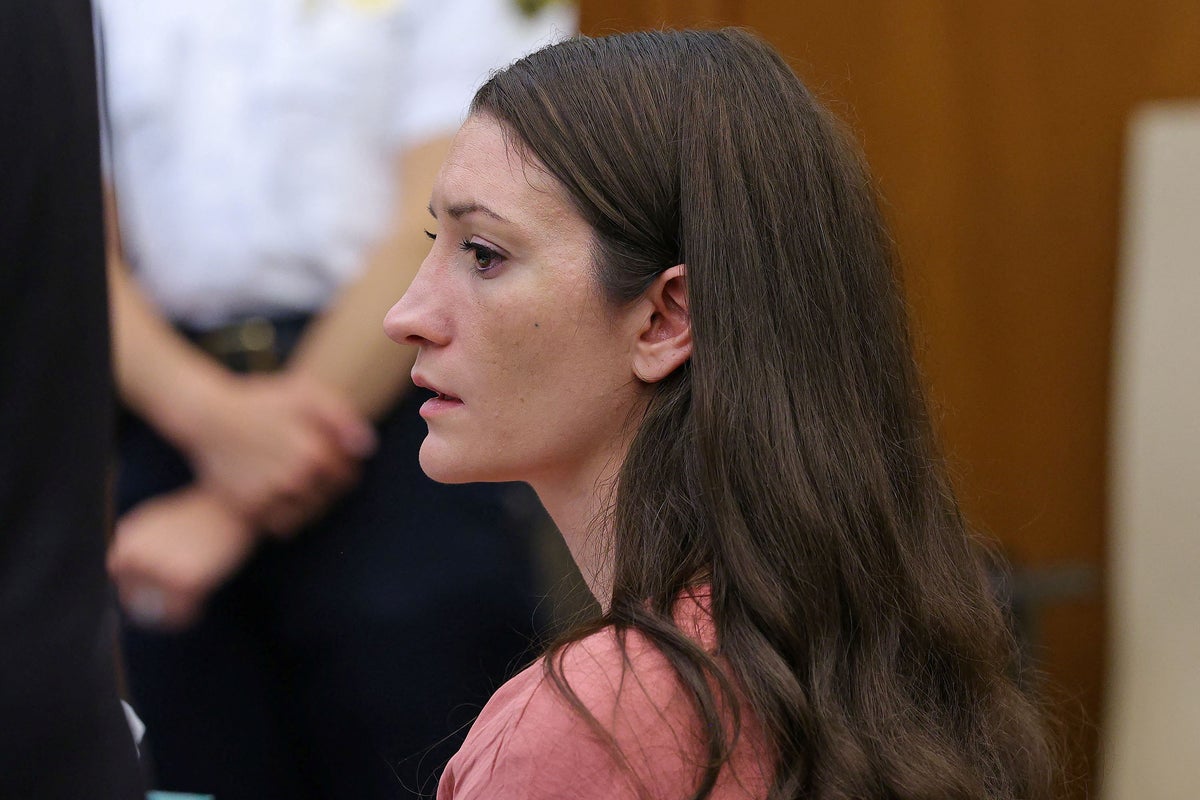
The courtroom fell entirely silent when the private thoughts of a mother accused of unthinkable violence were read aloud into the public record. During the trial proceedings regarding Lindsay Clancy, jurors listened to diary entries that mapped a psychological descent into severe postpartum psychiatric illness. This evidence sits at the center of a profound legal and medical reckoning. The core issue of the Lindsay Clancy trial examines whether acute postpartum psychosis completely strips a person of criminal responsibility, forcing our justice system to evaluate how it handles severe mental health crises during the immediate postnatal period.
Courts are fundamentally unequipped to measure the invisible mechanics of a brain collapsing under the weight of severe psychiatric injury. Legal frameworks demand binary answers of guilt or innocence, sanity or insanity. Human biology rarely cooperates with those rigid boxes. When mothers experience catastrophic psychiatric failures after childbirth, the prosecution and the defense clash over a terrifying question. Where does medical pathology end and criminal intent begin?
The Anatomy of Postpartum Psychiatric Collapse
Medical literature distinguishes clearly between standard postpartum depression and the rare, volatile territory of postpartum psychosis. The former involves persistent sadness, anxiety, and fatigue. The latter is an acute medical emergency characterized by delusions, severe insomnia, mood swings, and a total break from consensus reality.
During the legal proceedings, defense arguments centered on the concept of command hallucinations and severe psychotic depression. Medical experts testifying in similar high-profile infanticide cases frequently point to the extreme velocity of hormonal withdrawal after delivery, combined with genetic vulnerabilities and sleep deprivation, as triggers that can fundamentally rewrite a person's cognitive reality.
When Lindsay Clancy wrote in her diary about feeling helpless and seeking medical assistance, she was documenting a distress signal that modern medical infrastructure failed to intercept adequately. The system of outpatient psychiatric care, medication adjustments, and short-term hospitalization often operates like a sieve. Patients fall through the gaps because the protocols rely heavily on self-reporting. A patient experiencing psychosis may lack the cognitive capacity to accurately evaluate their own danger to themselves or others.
The Legal Fiction of Mens Rea in Psychotic States
Our criminal justice system relies heavily on the doctrine of mens rea, the requirement of a guilty mind. To convict an individual of a severe crime, prosecutors must prove intent or extreme recklessness.
When a defendant suffers from active psychosis, the foundational premise of intent fractures. If a mother experiencing a severe psychotic episode believes she is protecting her children from a greater evil, or acting under the influence of commanding delusions, her capacity to understand the nature and consequences of her actions is severely compromised.
Yet, juries look at the physical aftermath and struggle to reconcile the horrific nature of the acts with the medical explanation of a hijacked brain. The prosecution often argues that actions taken prior to the event—such as planning or executing a specific sequence of steps—demonstrate rational thought. Defense psychiatrists counter that purposeful behavior can coexist with severe delusions, as the brain executes complex motor routines while the underlying reality-testing mechanism is entirely offline.
The Overmedicalization of Motherhood and Systemic Failures
We must look past the courtroom drama to examine the broader institutional failures that allowed this tragedy to materialize. Society clings to the romanticized archetype of motherhood. The cultural narrative insists that maternal instincts are automatic and universal, masking the brutal physiological reality of postpartum recovery.
Mothers experiencing severe mental health distress often conceal their symptoms out of sheer terror. They fear the machinery of the state. They worry that admitting to dark thoughts or intrusive images will result in losing custody of their children or facing social ostracization. This stigma creates a dangerous feedback loop of silence.
Hospitals and mental health clinics frequently discharge patients too quickly due to insurance constraints and bed shortages. When Lindsay Clancy sought help, navigating the labyrinth of psychiatric pharmacology required precise adjustments that demand weeks of close inpatient monitoring. Instead, many patients are cycled through outpatient appointments where medication changes are prescribed with minimal oversight.
Rethinking Accountability and Compassion
The trial of Lindsay Clancy forces a grim confrontation with our collective failure to protect vulnerable parents. Punishing an individual who was entirely untethered from reality offers retribution, but it does nothing to prevent the next tragedy.
If the legal system cannot accommodate the medical reality of severe postpartum psychiatric illness, trials like this become hollow exercises in moral theater. We demand accountability while ignoring the systemic rot that leaves mothers isolated, overmedicated, under-monitored, and drowning in silence. The diary entries read in court were not confessions of a malicious actor. They were distress flares fired by a woman begging for a rescue that never arrived.