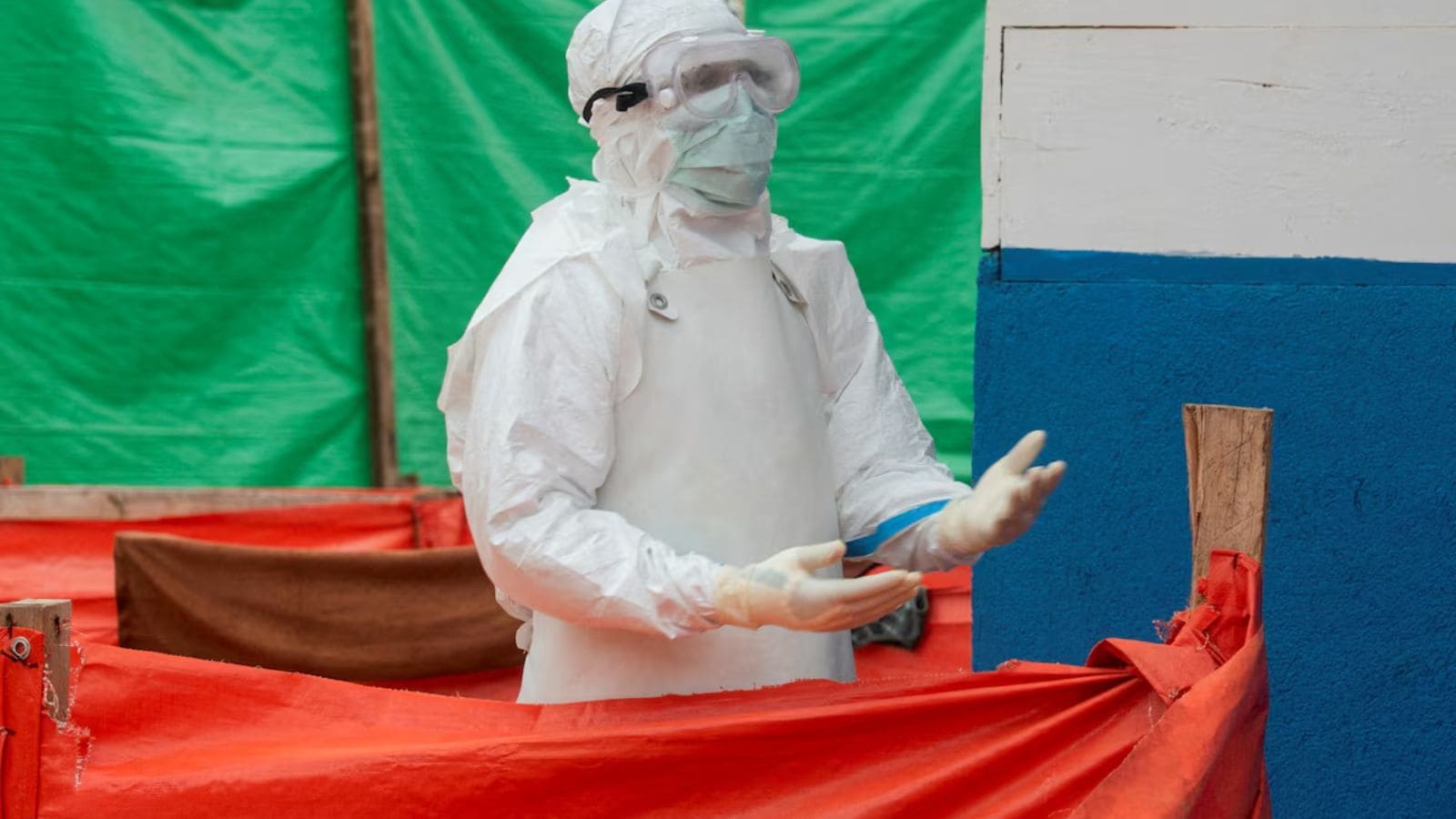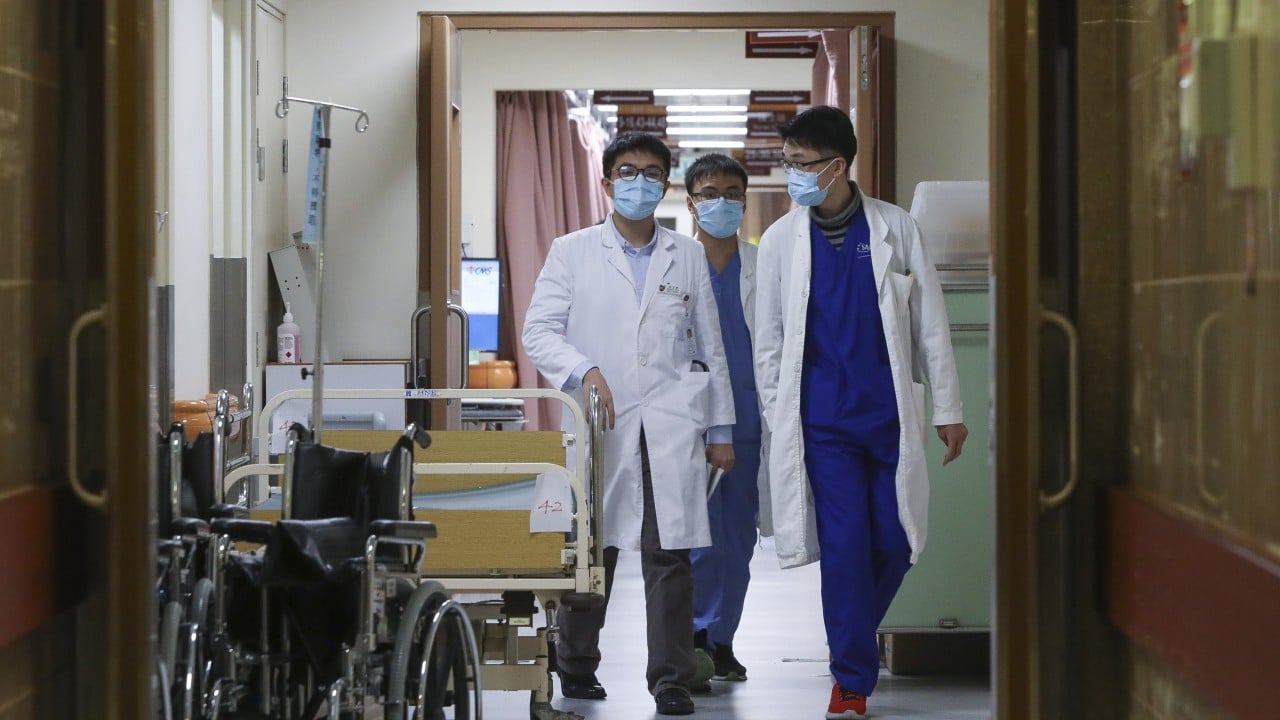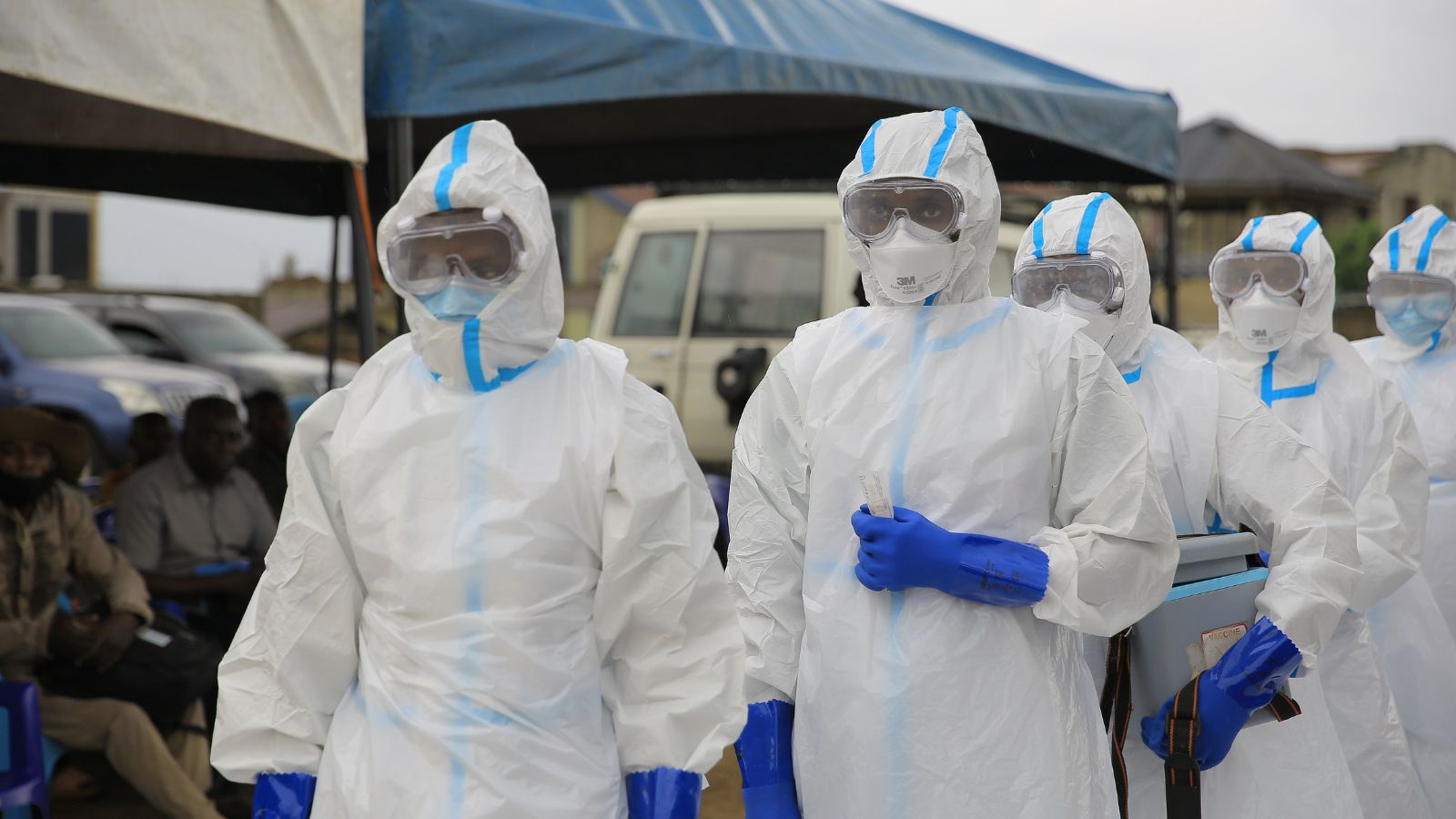
The machinery of international health intervention operates on a simple, comforting assumption. When an outbreak hits, resources flow, clinics materialize, and specialists deploy. Yet that machinery is grinding to a halt in the Democratic Republic of Congo, starved of the very people required to keep it moving. Ebola does not spread in a vacuum, nor is it contained by abstract policy declarations from global capitals. It spreads in rural clinics where nurses work double shifts without clean water, where hazard pay vanishes into bureaucratic black holes, and where the people holding the line against a lethal pathogen are fundamentally unprotected.
When the World Health Organization warns that Congo is running short of health workers while Ebola remains out of control, the diagnosis identifies a symptom of a much deeper institutional failure. Decades of chronic underinvestment, compounded by recurring security crises in the eastern provinces, have left the healthcare workforce battered and depleted. Medical personnel are not merely scarce; they are exhausted, demoralized, and frequently abandoned by the supply chains meant to protect them. To understand why hemorrhagic fever outbreaks continue to spiral despite billions spent on containment, one must look past the epidemiological models and examine the human infrastructure left to absorb the shock. You might also find this similar article interesting: The Ancient Roots That Reached Baku.
The Anatomy of Staff Shortages on the Frontline
In an operational zone, a shortage of health workers is not measured in abstract percentages. It is measured in abandoned triage tents, locked dispensary doors, and community health committees forced to choose between treating patients with bare hands or turning them away entirely.
When experienced nurses and hygiene officers fall ill or flee infected zones, institutional memory vanishes overnight. New recruits step into high-stress environments with minimal preparation, multiplying the risk of nosocomial transmission—the spread of infection within healthcare facilities. Hospitals that should serve as bulges against the tide instead become epicenters of contagion. As extensively documented in recent articles by WebMD, the results are notable.
The structural vulnerabilities are glaring. Many provincial clinics operate without reliable electricity, running water, or basic personal protective equipment stocks. Nurses often go months without receiving their promised stipends, forcing them to moonlight in unregulated pharmacies or charge patients out-of-pocket fees for basic supplies just to feed their families. When a deadly virus arrives on the doorstep of a facility already operating on the brink of collapse, the staff does not stand firm. They disperse. Protecting communities requires protecting the workers first, yet international response plans consistently prioritize rapid deployment of high-tech therapeutics while treating local personnel as disposable components.
Bureaucratic Friction and the Cost of Delayed Response
Money moves slowly in public health emergencies, but pathogens do not wait for budget approvals. International donor funding often arrives wrapped in restrictive mandates, procurement bottlenecks, and endless reporting requirements that fail to account for the chaotic realities of rural Central Africa.
By the time emergency funds clear administrative hurdles and translate into operational hazard pay or deployed protective gear, the local workforce has already absorbed weeks of unprotected exposure. Burnout sets in before the containment phase even gains traction.
Local health officials find themselves trapped between angry communities demanding answers and distant coordinators demanding compliance with rigid protocols that do not fit field conditions. This friction breeds profound mistrust. When health workers strike over unpaid hazard allowances during an active viral outbreak, international observers express shock. Those on the ground recognize it as an inevitable reckoning. You cannot ask individuals to risk their lives for a public health system that refuses to pay them on time, insure their families, or guarantee their safety.
Community Resistance Rooted in Structural Neglect
Public health messaging often frames community resistance to Ebola interventions as a failure of education or a triumph of superstition. This framing is convenient because it shifts responsibility away from institutional failures and onto the victims.
The reality is far more pragmatic. When a community watches underpaid, underequipped local nurses fall ill and die without receiving adequate compensation or care, their skepticism toward centralized health directives hardens into self-preservation.
If the health system cannot protect the people who work inside it, why should ordinary citizens trust it with their sick relatives? Isolation centers are frequently viewed with suspicion not because of abstract folklore, but because they represent an alien authority that arrives with vast resources during a crisis while ignoring basic community needs during peacetime. Rebuilding trust requires more than community engagement officers holding megaphone workshops. It requires sustained investment in local healthcare infrastructure, reliable salaries, and a demonstrable commitment to the safety of every nurse, midwife, and sanitation worker operating in high-risk zones.
Moving Beyond Emergency Cycles
International intervention models remain trapped in a destructive cycle of panic and neglect. When infection rates spike, emergency funds pour in, international specialists descend on urban hubs, and temporary treatment centers sprout like mushrooms. Once the numbers decline, the spotlight shifts, funding dries up, and the underlying structural rot is left untouched until the next flare-up.
This cyclical approach guarantees future failures. A workforce cannot be improvised during an emergency. Retaining skilled medical personnel in high-risk zones demands long-term salary guarantees, robust mental health support, continuous training in infection prevention, and secure supply chains that function independently of whether a camera crew is present.
Until international health architecture shifts its focus from reactive containment to foundational workforce resilience, outbreaks in the region will continue to outpace the response. The crisis in Congo is not merely an epidemiological challenge. It is a test of whether global health institutions are willing to fix the human foundations of care, or simply continue managing the fallout of their collapse.