Darkness used to mean something different inside the cinema.
Before the glow of hand-held glass panels colonized every waking hour, before movie houses became sterile multiplexes smelling of corporate popcorn and automated ticket kiosks, darkness was a shared cavern. It was a space where strangers wept together in the hush of an opening sequence, breathing the same recycled air while flickering light danced across dust motes and young faces.
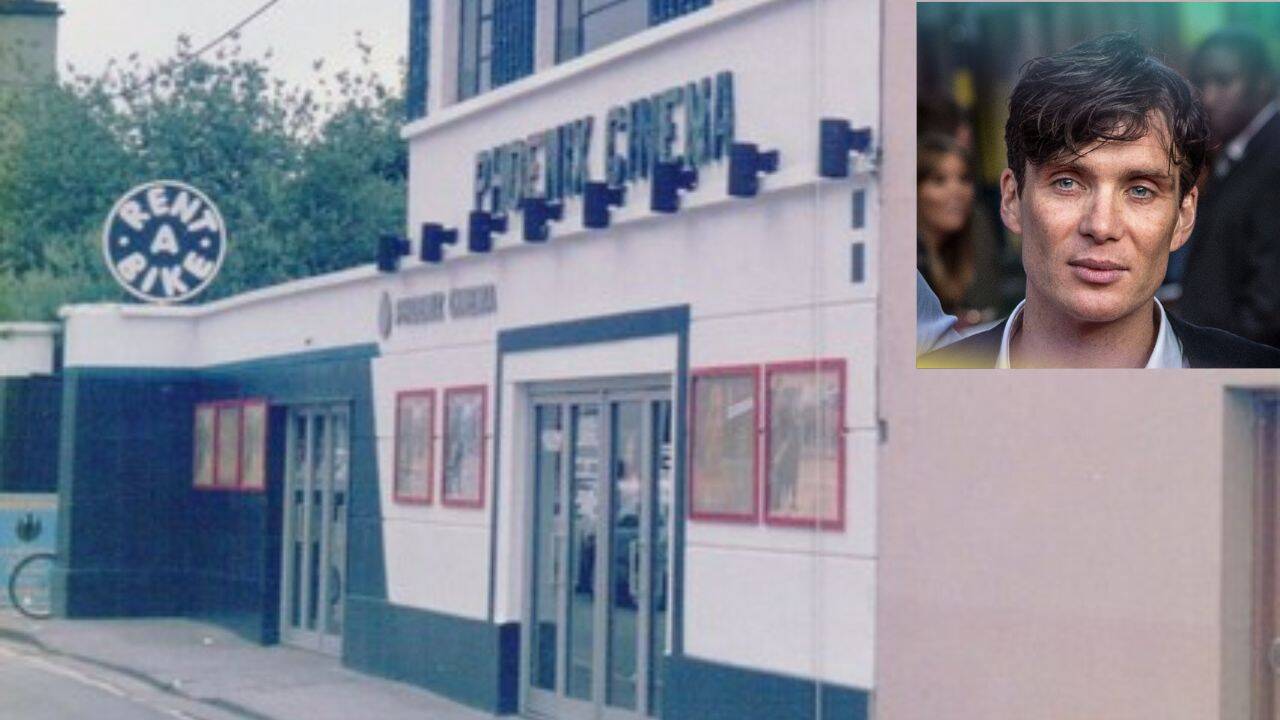
In Cork, Ireland, that darkness lived within the walls of the redundant art-deco cinema on Cork’s South Main Street. For decades, it was known as the Kino. To the neighborhood kids growing up in the shadows of the harbor town, it wasn't just a building with a marquee. It was a portal. A sanctuary from the damp chill of Atlantic winters. A place where impossible worlds whispered from a silver sheet.
Among those kids was a gangly teenager with a head full of music and an eye for the strange. His name was Cillian.
Years later, that same boy would walk red carpets in Los Angeles and London, holding gold statuettes and commanding screens across the planet with a stare that could cut glass. But long before he became an Academy Award winner, long before the tailored suits and the global acclaim, he was just another kid sitting in the middle stalls, hypnotized by the projectionist's beam.
Then, the lights went out for good.
Like independent cinemas across the globe, the Kino fell victim to the cold arithmetic of modern economics. High rents, shifting viewer habits, and the relentless march of streaming giants squeezed the life out of it until its doors locked tight in 2016. For years, the building sat quiet—a brick-and-mortar ghost of a community’s collective memory.
Developers circled. Plans were whispered. The typical fate of such spaces involved luxury apartments or another generic coffee chain. The soul of the street was slated for demolition, one brick at a time.
Most people look at a shuttered building and feel a quiet pang of nostalgia. They sigh, shake their heads, and keep walking. They accept that progress always demands a sacrifice, and that memory is cheap currency in a world driven by capital.
Cillian Murphy refused to look away.
Instead of letting the building become another nameless casualty of urban renewal, Murphy teamed up with fellow Cork natives—architects, cultural advocates, and filmmakers—to quietly orchestrate a rescue mission. They didn't just buy a piece of real estate. They bought a time machine. They bought a gathering place. They bought back the neighborhood's heartbeat.
The plan for the resurrected Kino is not about nostalgia for nostalgia's sake. It is an intentional, radical act of defiance against the atomization of modern life. In an era where we consume culture in isolation—slouched on couches, staring at algorithmic recommendations served by servers thousands of miles away—the return of a community arts venue is a return to humanity.
Consider what happens when people step into a physical theater. You cannot swipe away the person sitting next to you. You cannot fast-forward through the tense silence. You are forced into communion. You share a collective gasp. You hold your breath in unison. That shared vulnerability is the invisible social glue that keeps communities from fracturing into total isolation.
When artists become stewards of their communities, something profound shifts in the cultural landscape. Too often, success acts as an ejection seat, propelling talented individuals into gated enclaves far removed from the soil that raised them. They become global citizens with local amnesia. Murphy’s return to South Main Street is the opposite trajectory. It is an acknowledgment that the ground beneath our feet matters, and that the spaces that made us who we are deserve to be protected from the wrecking ball.
The newly envisioned venue is designed to be more than a movie theater. It is set to be a crucible for local talent, a platform for independent voices that Hollywood algorithms will never feed you, and a living room for a city that refuses to lose its character. It proves that urban spaces do not have to belong exclusively to corporate homogenizers.
In the end, the story of the Kino’s rebirth is not really about an actor buying an old building. It is about the stubborn refusal to let our shared histories be paved over. It is a reminder that the best way to honor the past is to hand it back to the future, lit up and glowing in the dark.