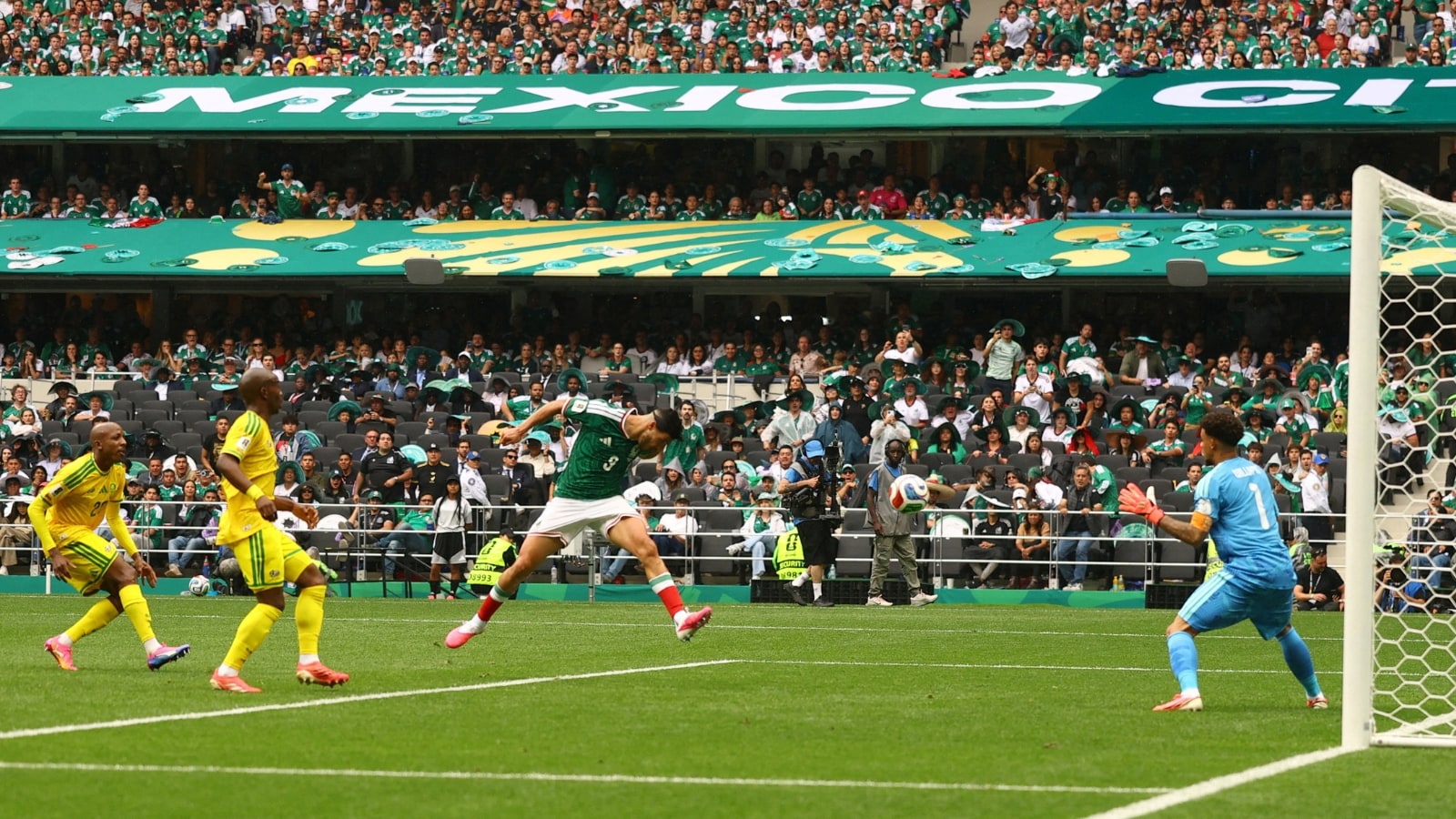
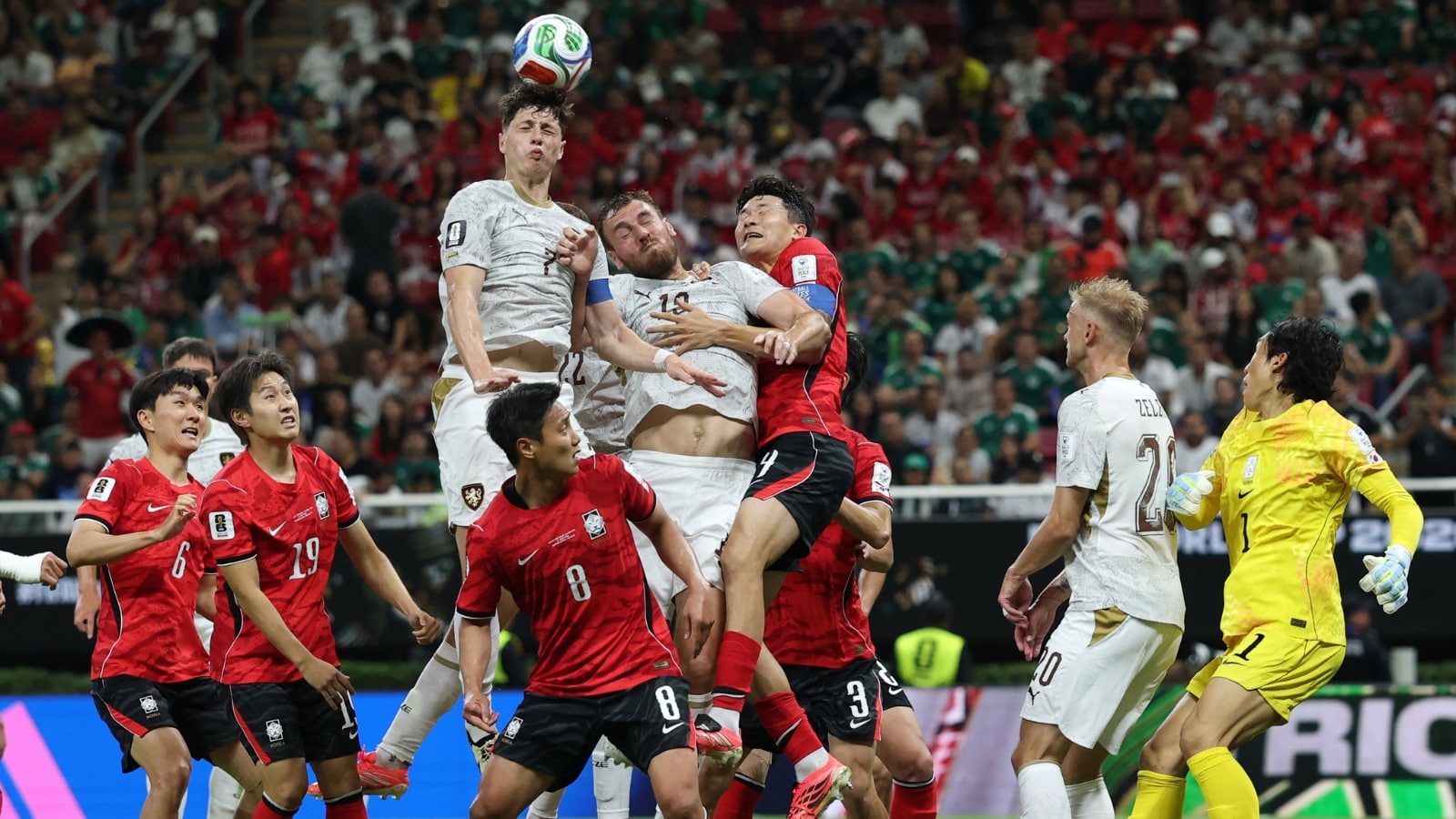
You can look at football as just tactical shapes, expected goals, or transfer valuations. Sometimes, though, the sport completely breaks through those analytical boundaries and connects to something deeply human. That's exactly what happened when 21-year-old winger Esmir Bajraktarevic stepped up to take the fourth penalty for Bosnia and Herzegovina against Italy in the World Cup qualifying playoffs.
The pressure was immense. Italy, a historical football powerhouse, stood on one side. On the other was a nation that has endured unspeakable tragedy. Bajraktarevic buried the ball into the back of the net, sealing a historic 4-1 penalty shootout victory and punching Bosnia's ticket to the 2026 World Cup. It sent shockwaves through the sport. But to truly understand why this moment mattered so much, you have to look beyond the scoreboard. You have to look at his last name, his family, and a town called Srebrenica.
A Legacy Born Out of Survival
Bajraktarevic was born in Appleton, Wisconsin, in 2005. He grew up thousands of miles away from the Balkans. Yet, his identity was completely shaped by the events that unfolded there ten years before his birth. His parents, Elmir and Emina, are survivors of the 1995 Srebrenica genocide. During that horrific week in July, Serb paramilitaries murdered more than 8,000 Bosnian Muslim men and boys.
The tragedy hit his family directly. Bajraktarevic’s maternal grandfather, four of his uncles, and several other relatives were systematically killed. His parents managed to escape, living as refugees in Switzerland before finally rebuilding their lives in the American Midwest.
When Emir Suljagic, the head of the Srebrenica Memorial Center, watched the young winger celebrate the historic win against Italy, he captured the collective emotion of a nation on social media. He noted that there was once a deliberate plan to ensure children like Bajraktarevic would never be born. He called the young man's joy and success the ultimate form of retribution.
Growing up in Wisconsin, Bajraktarevic didn't live through the war, but it was a constant presence in his household. He ate traditional dishes like börek and ćevapi, spoke Bosnian with his parents daily, and wore a pendant featuring the Bosnian coat of arms. He made it clear in interviews with outlets like The Blazing Musket that the tragedy of Srebrenica is an inseparable part of who he is.
The Financial Sacrifice and the American Dream
The path to professional football wasn't a smooth, wealthy ride. The Bajraktarevic family worked incredibly hard to establish themselves in the United States, but youth soccer in America is notoriously expensive. His father, a passionate football fan who still plays recreationally at 50 years old, recognized his son’s immense talent early on. The family simply lacked the funds to support the heavy travel costs required for elite youth development.
A beautiful piece of human connection changed everything. While playing locally, Bajraktarevic became close friends with a teammate named Liam. When Liam’s parents learned about the family's background and financial hurdles, they chose to step in. They funded his travel costs so he could try out for major clubs.
This generosity allowed him to secure a spot at SC Wave in Milwaukee. It meant embarking on grueling three-hour daily car rides just to train. That sacrifice paid off. He eventually entered the Chicago Fire youth system before transitioning to the New England Revolution academy in 2021.
By May 2022, he signed a Homegrown Player contract with New England at just 17 years old. He proved to be a dynamic, shifting winger with exceptional technical ability on the ball. He made 45 senior appearances for the MLS club, including a standout 2024 campaign where he recorded three goals and set a club record with four assists in the Concacaf Champions Cup. His rapid rise caught the attention of European scouts, leading to a €3 million transfer to Dutch giants PSV Eindhoven in January 2025. He quickly adapted, helping PSV secure consecutive Eredivisie titles.
The Choice of the Heart
Representing a country on the international stage is often treated like a business decision by modern dual-national players. Bajraktarevic had options. He was a regular in the United States youth national team setups, representing the U19 and U23 squads. He even earned a senior cap for the USMNT in a friendly against Slovenia in January 2024.
He was fully eligible to be part of the USMNT cycle heading into a home World Cup. He openly expressed pride in his American upbringing and the life his family built in Wisconsin. His bloodline pulled him elsewhere.
When the call came from the Bosnian Football Federation later in 2024, he didn't hesitate. He chose to switch his international allegiance. He later stated to the Sarajevo Times that there was never a true dilemma in his mind, noting that he had spent his entire childhood idolizing legendary Bosnian striker Edin Dzeko and dreaming of wearing the national jersey.
Moving Past Divisive Politics
International football in Bosnia is incredibly complicated. The country remains politically fractured along ethnic lines between Bosniaks, Serbs, and Croats following the Dayton Agreement. These deep societal divisions frequently bleed into sporting institutions.
The current national team squad is defying those rigid divisions. The locker room features a mix of Muslim, Orthodox Serb, and Catholic Croat players playing side by side. Following their monumental playoff victory over Italy, the team celebrated together in the dressing room by singing tracks from Dubioza Kolektiv, a prominent Bosnian ska-reggae band famous for its fiercely anti-racist anthems and rejection of ethnic nationalism.
For a nation still grappling with its past, a kid from Wisconsin provided a powerful symbol of unity. He chose to look back at his family's deep trauma and transform it into a message of hope on the pitch.
If you want to track his journey as he leads the line in the upcoming tournament group stages, keep a close eye on the Eredivisie match archives and upcoming international friendly lineups. His rise proves that football can be much more than a game. It can serve as a living testament to survival, identity, and the enduring strength of a family's roots.