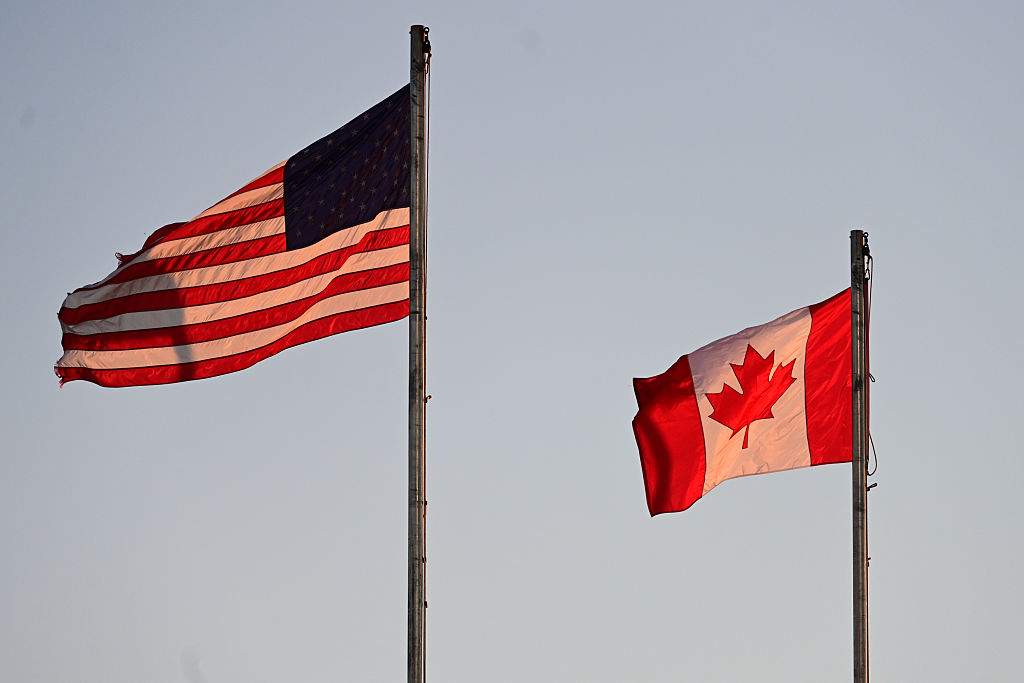
For over two decades, a quiet lifeline has stretched across the northern border. Millions of Americans, crushed under the weight of the most expensive prescription drug market in the industrialized world, turned to Canadian pharmacies to stay alive. They mailed prescriptions north, received essential maintenance medications in return at a fraction of domestic prices, and managed chronic conditions without facing financial ruin. That quiet escape hatch is now slamming shut.
A bureaucratic shift in customs enforcement has upended cross-border medication access. While framed as a routine overhaul of international shipping protocols and low-value shipment exemptions, the policy change hits personal pharmaceutical imports hard. Medications mailed from outside the United States now face rigorous documentation hurdles, bond guarantees, and steep tariffs that have effectively destroyed the cost advantage of ordering from abroad.
The fallout is immediate and severe for patients dependent on foreign supply lines. Consider a hypothetical example of a patient requiring specialized maintenance inhalers or cardiovascular treatments: a medication that previously cost eighty-five dollars with shipping suddenly balloons past one hundred forty dollars, while other critical respiratory drugs leap from one hundred fifty dollars to over two hundred seventy dollars overnight. For fixed-income seniors and uninsured workers, these sudden cost surges translate directly into rationing doses or abandoning regimens entirely.
To understand how this crisis materialized, one must look beyond the immediate trade adjustments and examine the structural vulnerabilities of the American healthcare model. The United States pharmaceutical market operates under a system of statutory monopolies, patent protections, and fragmented negotiations that allow manufacturers to charge astronomical prices for identical chemical compounds sold cheaply elsewhere. When domestic options like commercial insurance tiers, discount cards, or manufacturer assistance programs still leave patients facing monthly bills exceeding one thousand dollars for single prescriptions, cross-border acquisition remains the only viable math left on the table.
Federal regulators and customs officials maintain that the updated rules are necessary to secure international supply chains, prevent illicit product entry, and modernize oversight of low-value postal imports. From a purely administrative standpoint, cracking down on the unregulated flow of packages makes theoretical sense to logistics enforcement agencies. Yet, applying blanket customs filters to personal-use prescription medications without carving out functional safe harbors creates a devastating policy collision. Patients seeking economic relief from predatory domestic pricing are treated like commercial importers, shouldering administrative overhead and tariff burdens meant for industrial cargo.
Lawmakers from both sides of the aisle, alongside advocacy organizations representing millions of patients, have pressed health and border enforcement agencies to pause the enforcement until explicit protections for personal medication imports are established. State-level initiatives, such as Florida's stalled attempt to construct an authorized Canadian drug importation program, highlight the persistent friction between state-level desperation and federal regulatory roadblocks. Yet these administrative appeals have largely stalled against the inertia of federal trade policy.
The human cost of this regulatory rigidity is already accumulating in living rooms and kitchen tables across the country. Patients accustomed to a predictable monthly budget are scrambling to stockpile dwindling reserves before shipments are turned away or priced out of reach entirely. As the border narrows and administrative walls grow higher, the illusion of a functioning safety net for the chronically ill fades into sharp, unforgiving focus.