Dust hangs thick in the air of a North Carolina aircraft hangar, smelling faintly of jet fuel, stale popcorn, and the collective adrenaline of ten thousand people waiting for a lightning strike.
Outside, the autumn wind rustles the pine needles of the Piedmont, carrying the crisp, indifferent promise of an early evening frost. Inside, the roar is physical. It vibrates through the concrete floor, rising up through the soles of cheap sneakers and heavy work boots alike. This is not merely a political gathering. It is an eviction notice served on the status quo, written in the frantic shorthand of modern American populism.
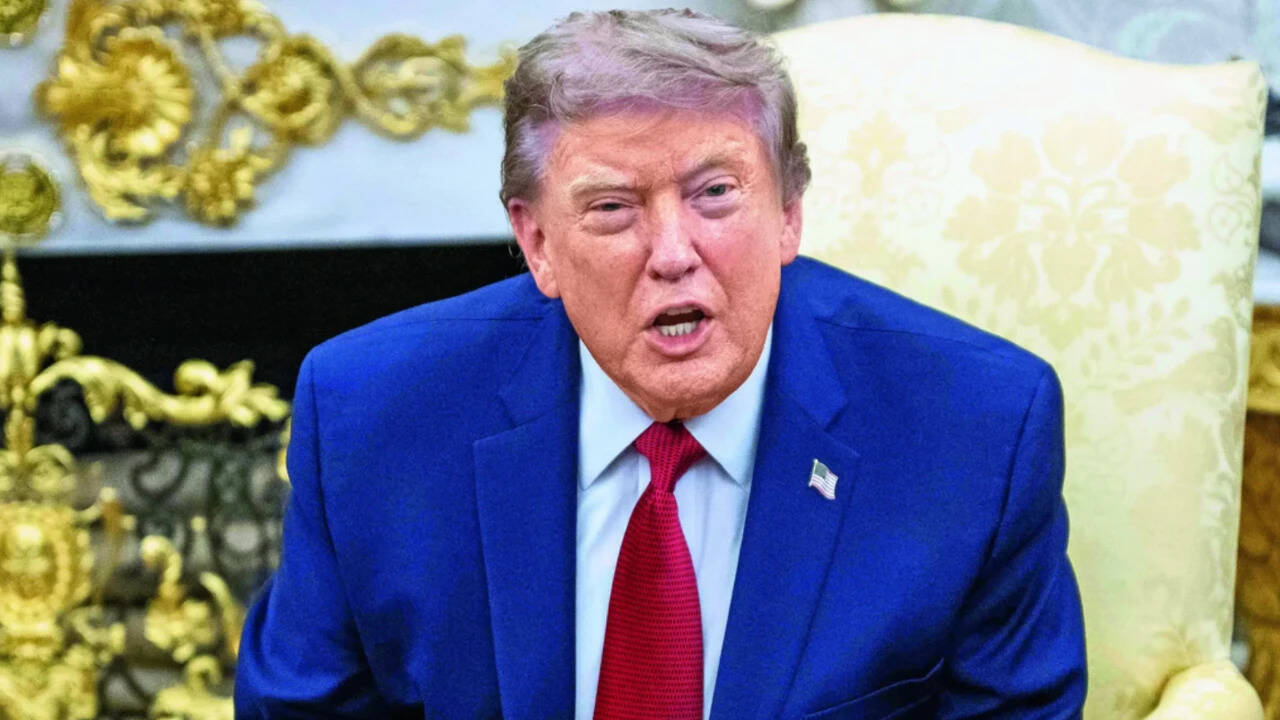
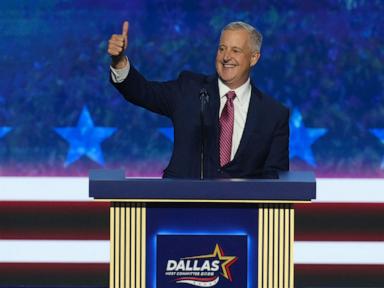
At the center of the storm stands Donald Trump. But look closer at the stage, just a few paces to the side of the podium, where a quieter, sharper drama is unfolding. Standing there is Michael Whatley.
To the casual observer passing a television screen in a lonely roadside diner, Whatley might look like central casting for a mid-level corporate attorney: neatly pressed suit, conservative tie, an expression carved from cautious optimism. He is not a firebrand who commands the stadium microphones with theatrical venom. He is an architect. And in the high-stakes chess match of American electoral politics, architects often matter far more than the standard-bearers who shout from the marquee.
Trump’s decision to campaign alongside his handpicked nominee for the Republican National Committee and his closely allied local figures is not a spontaneous eruption of affection. It is a calculated consolidation of institutional machinery.
The Machinery Beneath the Noise
We talk endlessly about the theater of politics—the red hats, the banner drops, the soaring rhetoric echoing off stadium rafters. We dissect every twitch of an eyebrow on a debate stage as if it were an ancient oracle's omen. Yet elections are rarely won by passion alone. They are won by logistics, by the unglamorous mechanics of ballot curing, early voting mobilization, and the cold, unyielding arithmetic of election administration.
For years, conservative populism ran on pure combustion. It was an engine fueled by raw energy, capable of moving mountains during high-turnout presidential cycles, but prone to stalling in the intricate, bureaucratic trenches of mail-in voting and legal challenges. Trump recognized a fundamental truth that many traditional conservatives missed: you cannot fight a modern institutional war with nineteenth-century weapons.
Enter Whatley. As the head of the North Carolina Republican Party, Whatley earned a reputation within inner circles not as a charismatic stump speaker, but as an operational fanatic. He understood that every provisional ballot is a battlefield, and every county election board is a contested frontier.
When Trump throws his arm around Whatley on a North Carolina stage, he is signaling a marriage between populist electricity and establishment-grade infrastructure. It is the fusion of the rally crowd and the legal team.
Consider what happens next in a state like North Carolina. It is a perennial purple crucible, a place where soaring mountain ridges give way to booming research hubs and growing urban centers, all while rural farming communities watch their traditional ways of life drift away on a changing economic tide. The state is a demographic pressure cooker. Win here, and you hold the strategic high ground of the southeastern seaboard. Lose here, and the map narrows dangerously for any Republican presidential ambition.
The Geography of Discontent
Walk down Main Street in a small North Carolina town—somewhere near the foothills, where the textile mills closed a generation ago and never came back—and you will hear the soundtrack to this political realignment.
It is the sound of quiet frustration. People who worked forty years on an assembly line find themselves competing for logistics warehouse jobs that pay by the algorithm and monitor bathroom breaks by the second. They look toward Washington and see a government that feels as distant and incomprehensible as the weather on Mars.
When Trump speaks to these crowds, he names their grievance. He gives shape to their invisible losses.
"They forgot about you," he tells them, his voice carrying over the distortion of aging stadium speakers. And in that moment, the thousands nodding in unison aren't thinking about abstract tax rates or geopolitical treaties. They are thinking about the pharmacy bill they couldn't afford last month, or the grandchild who had to move three states away to find a decent job.
But grievance without direction is just noise. Whatley and the modern apparatus surrounding Trump’s inner circle represent the channel cutting through that noise. They are building the canals to direct the flood of populist anger into concrete electoral outcomes.
This is where the narrative shifts from campaign trail romance to tactical cold reality. While critics often paint these rallies as reckless spectacles, the quiet work happening behind the velvet ropes is intensely disciplined. Data modeling, legal preemptions, and precinct-level targeting have replaced the old boys' club of backroom deal-making.
The Test of the Pivot
Can a movement born of rebellion successfully institutionalize itself without losing the very spark that created it?
That is the central tension of the current political era. Revolutions, by their nature, despise bureaucracy. They thrive on the outsider ethos, the visceral thrill of breaking the china. Yet, to govern—or to secure the levers of power necessary to enact a vision—a movement must build its own bureaucracy. It must master the very systems it seeks to dismantle.
When Trump champions leaders like Whatley, he is trying to bridge that impossible chasm. He is telling his base: Trust the rebel, but respect the plumber.
The lights in the hangar begin to hum as the final applause dies down. The crowd drifts out into the cool evening air, clutching their placards like cheap religious relics, their ears still ringing with the cadence of grievances aired and victories promised. They climb back into F-150s and faded sedans, turning their headlights toward home down two-lane highways cutting through the dark woods.
Back in Washington, and across the county election boards of the Tar Heel State, the spreadsheets are already updating. The lawyers are reviewing the latest filing deadlines. The quiet machinery grinds on, indifferent to the cheers, but entirely dependent upon them.
The stage is dark now. The banners hang limp in the stagnant air. But the blueprint has been drawn, inked in red and blue, ready for the next test of a nation trying to figure out who it is when the shouting stops.