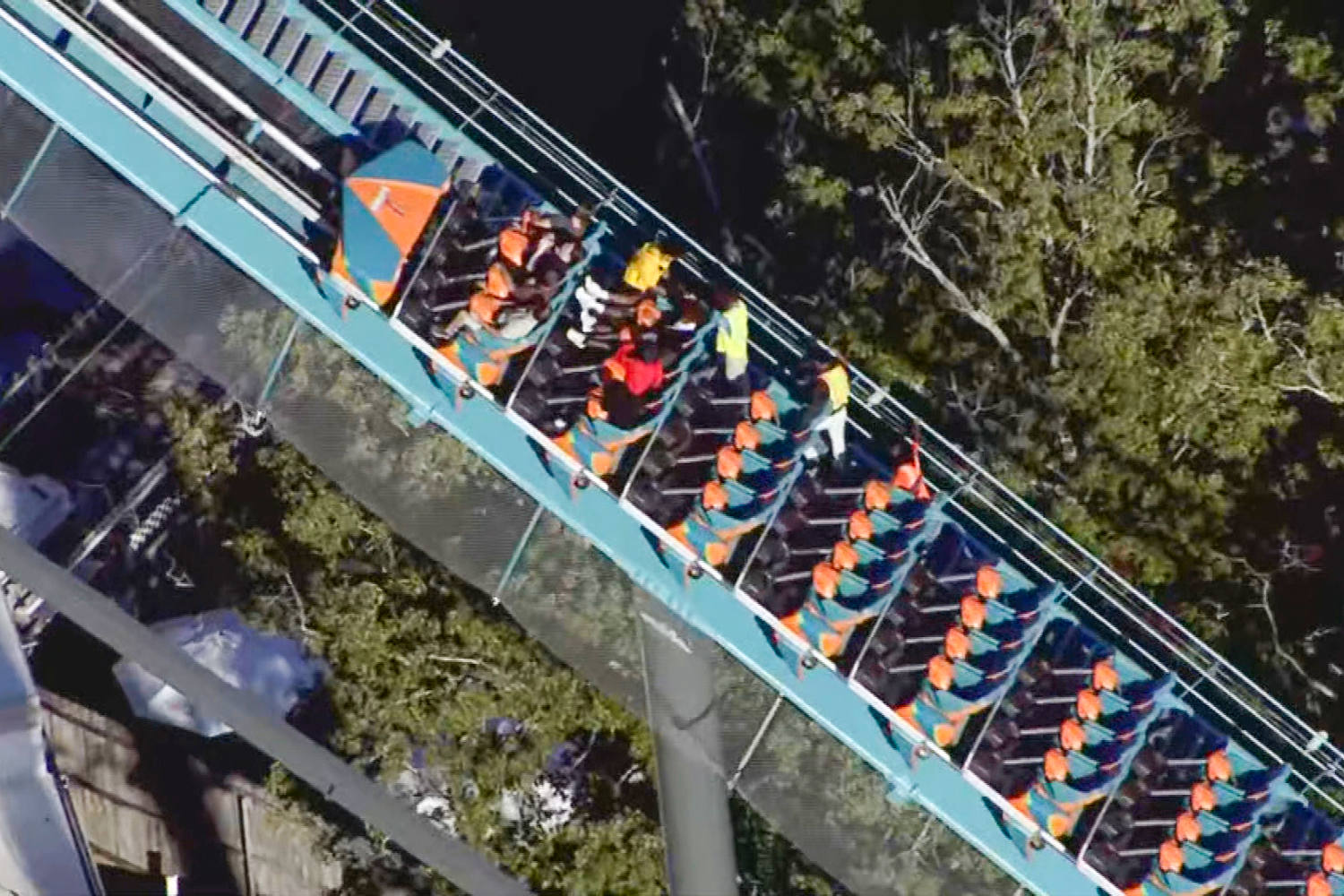
Another headline breaks. A tragedy at an amusement park. The immediate public reaction follows a predictable script of shock, horror, and an instant, knee-jerk demand to shut down the ride, regulate the industry into oblivion, or scream about structural safety failures.
It is lazy thinking. It is emotional processing masked as public discourse.
When a guest dies or suffers severe injury after falling or exiting a moving amusement park attraction, the instinct is to point the finger straight at the mechanics of the machine. People look at towering steel tracks, high-speed turns, and rushing cars, assuming that the sheer kinetic violence of the environment must be the culprit. But look at the actual incident reports across the industry over the past few decades. The overwhelming majority of catastrophic failures on modern rollercoasters do not stem from structural steel snapping, cables failing, or mechanical engineering letting go.
They stem from human behavior.
Modern amusement parks operate under safety engineering standards that rival commercial aviation. Redundant systems, magnetic braking, computerized block zones, and structural load-bearing checks occur daily, sometimes hourly. The physical machinery is meticulously monitored. What cannot be easily monitored, predicted, or fully engineered around is human unpredictability.
When a passenger unbuckles a restraint prematurely, panics, ignores safety signage, or attempts to stand up in a moving vehicle, the system is forced to contend with variables it was never designed to tolerate. Yet, every single time an incident happens, the media and the public rush to indict the ride itself rather than examining individual compliance and personal responsibility.
This is the consensus trap. It feels compassionate to blame the massive corporation and the scary machine. It feels protective to demand heavier oversight. But it completely misses the operational reality of risk management.
Imagine a scenario where every single rollercoaster in the world is retrofitted with five-point harnesses, physical cages, and automated lockdown gates that make escape physically impossible. Would accidents drop to zero? No. Because risk mitigation is a two-way street. You cannot engineer stupidity, panic, or defiance completely out of human nature. When you build a system that assumes zero human error, you create a false sense of invulnerability that often invites even riskier behavior.
The uncomfortable truth is that amusement parks are among the safest public environments on earth statistically. You are vastly more likely to be injured driving to the park than riding anything inside its gates. But safety does not mean immunity from physics. Gravity does not negotiate. Momentum does not care about your intentions.
When society treats every tragedy as a mechanical failure, we distract ourselves from the real conversation. We should be talking about visitor compliance, park security enforcement, personal accountability, and the psychological factors that cause individuals to bypass safety protocols in the first place.
Stop pretending that wrapping every thrill ride in bubble wrap will solve the problem. The danger has never lived purely in the steel. It lives in the moment a person decides the rules do not apply to them.