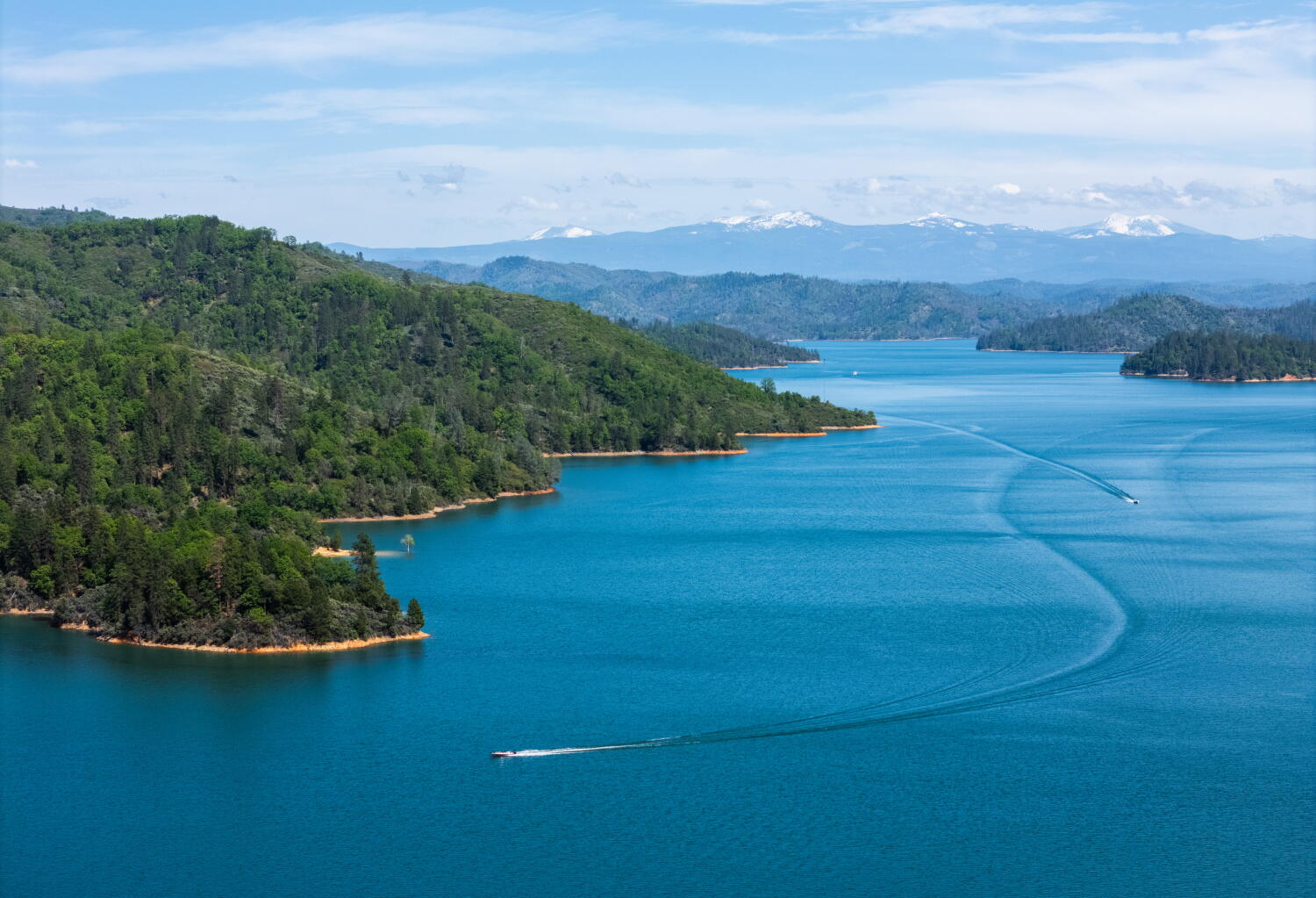
When an animal breaches the surface of an open body of water and an adult human initiates an unassisted rescue attempt, the primary driver of the resulting fatality is rarely the physical distance or the temperature differential alone. Instead, it is an abrupt cascade of physiological responses and mechanical miscalculations known as the rescue-induced drowning syndrome. Analyzing the fatal incident at Shasta Lake—where an individual entered the water to retrieve a dog and subsequently drowned while the animal survived—requires stripping away the narrative of sentimental impulse and examining the strict variables of fluid dynamics, cold shock response, and human cognitive overload under acute stress.
The Cost Function of Altruistic Intervention
Human behavioral economics demonstrate that acute threat perception regarding dependents or companion animals overrides standard risk assessment heuristics. In aquatic environments, this override creates a severe deficit in resource calculation. The human organism possesses a fixed reserve of cardiovascular endurance, thermal regulation capacity, and motor control. When a rescue attempt is initiated without personal flotation devices or marine assets, the initiator immediately enters a high-cost environment where every stroke depletes a finite energy budget. Building on this topic, you can find more in: Cross Border Kinetic Escalation and the Logistics of Deterrence Failure.
Risk Equation: R = (D * V) / (F * T)
Where:
D = Distance from egress point
V = Water viscosity and hydrodynamic drag
F = Flotational support level
T = Thermal baseline capacity
In the Shasta Lake scenario, the initial state vector of the swimmer changed instantaneously from a resting metabolic rate to maximal exertion. A dog, possessing superior surface-to-mass swimming efficiency and a natural quadrupod paddle stroke, generates distinct propulsion mechanics compared to a human vertical kick or freestyle stroke. The human attempts to match an erratic, panic-driven trajectory in deep water, converting a linear swim into an uncoordinated struggle for buoyancy.
Thermal Shock and Respiratory Control Collapse
Shasta Lake, like many deep, stratified reservoirs, maintains significant temperature gradients. Even during warmer ambient months, sub-surface layers or localized spring feeds can induce an immediate cold shock response upon immersion. This physiological mechanism triggers an involuntary gasp reflex, severe hyperventilation, and tachycardia within the first thirty to ninety seconds of exposure. Experts at Reuters have also weighed in on this trend.
The operational consequences of cold shock are direct and unyielding:
- Loss of voluntary breath-hold control, drastically increasing the probability of water aspiration during the initial panic phase.
- Peripheral vasoconstriction, which shifts blood volume centrally and spikes systemic blood pressure, heavily taxing an unconditioned or stressed myocardium.
- Rapid depletion of neuromuscular coordination in the extremities, transforming fine motor control into gross, inefficient spasms.
When an individual plunges directly from a warm shoreline or vessel into cold water to save a pet, they bypass the physiological acclimatization phase. The respiratory rate spikes before the brain can execute rational tactical decisions, cementing a state of physiological panic.
Hydrodynamic Realities of Cross-Species Rescue
Attempting to rescue a distressed animal in an open water column introduces a compounding vector of danger: structural entanglement and counter-productive kinetic energy. Canines in water operate entirely on surface propulsion. Their primary instinct is to climb onto any available floating mass to elevate their airway above the waterline.
When a human reaches a swimming dog without a retrieval tool or watercraft, the animal invariably attempts to utilize the human torso as a vertical platform. This behavior exerts downward vertical force on the rescuer, counteracting the rescuer's own upward buoyant stroke.
Rescuer Buoyancy Deficit = (Human Dead Weight) + (Downward Canine Climb Force) - (Inefficient Stroke Lift)
This dynamic forces the human into an energy-negative loop. To keep the airway clear, the rescuer must expend maximum metabolic output treading water while simultaneously absorbing unpredictable kinetic impacts from the animal's limbs. Within minutes, lactic acid accumulation in the large muscle groups of the shoulders and legs leads to muscular failure. Once positive buoyancy can no longer be maintained through active treading, the transition to sub-surface submersion occurs rapidly.
Cognitive Tunneling and Situational Awareness Deficit
Under extreme acute stressors, human cognitive architecture undergoes narrowing, commonly referred to as perceptual narrowing or weapon focus, though in this context, it manifests as target fixation on the subject in distress. The individual discards environmental feedback—such as distance to the nearest safe egress, current drift, and progressive muscle fatigue.
The decision-making matrix collapses into a binary directive: reach the target. This eliminates the evaluation of self-preservation variables, such as shedding heavy footwear or clothing that acts as a water-logged anchor, or shouting for shore-based assistance. The resulting strategy lacks redundancy or contingency planning. The dog, driven by primal thermal and locomotor instincts, survived precisely because its biological design optimized energy expenditure and surface floating capability, whereas the human system exhausted its reserves countering both the environment and the rescue target's own survival mechanics.
Strategic Operational Protocols for Open Water Hazards
Mitigating loss of life in domestic animal aquatic emergencies requires replacing impulsive physical intervention with standardized containment protocols.
- Deny Direct Entry Without Flotation: Never enter natural water bodies without an independent personal flotation device and a tethered extension tool.
- Utilize Passive Extraction Vectors: Direct the animal toward a shallow gradient or throw a positive buoyancy line, allowing the animal's natural swimming capability to execute the horizontal transit while the human remains secured on stable ground or a vessel.
- Recognize Metabolic Hard Stops: Accept that human physiological limits in cold, deep water preclude protracted wrestling matches with distressed fauna. If the extraction cannot be achieved within the initial two minutes of controlled aerobic output, tactical disengagement is the sole metric for survival.
By replacing emotional heuristics with rigorous mechanical assessment, the threshold between intervention and secondary casualty becomes mathematically clear.