The neon of the Strip does not flicker. It pulses, a living artery of amber and violet that pumps millions of hopeful hearts through the belly of the desert. If you stand long enough on the corner of Las Vegas Boulevard near the Golden Nugget, the air starts to taste like dry ice and caramelized almonds. You can hear the low, metallic clatter of coin hoppers from decades past echoing in the ghosts of old casinos, even as modern digital ticket-in-ticket-out machines hum their quiet electronic songs.
This city was built on a very specific kind of human architecture. It is made of concrete, cigarette smoke, crushed velvet, and a stubborn refusal to look at the clock.
For decades, the story of this town was written by two distinct kinds of men. There were the old-school operators—the floor bosses who knew a card cheat by the twitch of an eyelid, the men who treated a casino like a high-stakes saloon where everybody drank for free if they stayed long enough at the tables. Then came the modern corporate accountants, the men in sharp charcoal suits who looked at a twenty-four-story resort hotel and saw only square-foot yields, depreciation schedules, and EBITDA margins.
Those two worlds have circled each other like wary predators for forty years.
Lately, one side has been winning decisively.
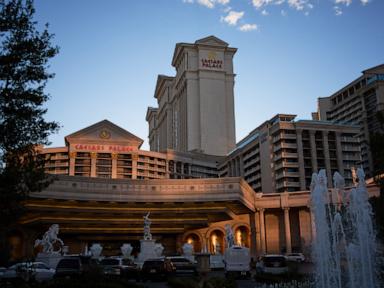
Consider what happened when the votes were tallied and the final signatures dried on a massive six-billion-dollar transaction. Caesars Entertainment stockholders formally hitched their wagon to a new star, signing off on a massive merger with Fertitta Entertainment. Six billion dollars. A number so large it ceases to be money and becomes weather—a sudden barometric pressure shift that changes how every executive breathes from Atlantic City to the Nevada state line.
To understand why this matters, you have to look past the financial filings. You have to look at the kitchen.
Imagine a Friday night inside a high-end steakhouse tucked deep within one of these monolithic properties. The room smells of dry-aged beef, expensive white Burgundy, and raw panic. The head chef, a man named Marcus who hasn't seen his daughter's soccer games on a Friday since the Bush administration, is barking orders at a line of twelve cooks. Every plate that leaves that pass has to be flawless because a single dissatisfied high-roller can sink a thousand-dollar dinner tab with a wave of a hand.
Marcus does not care about corporate debt restructuring. He does not care about stock ticker symbols or liquidity ratios. He cares about whether the butter sauce broke.
Yet, for years, the men who signed Marcus's paychecks were far removed from the kitchen floor. They sat in glass towers overlooking the Pacific or across quiet conference tables in Manhattan, managing balance sheets that were bloated by post-pandemic recovery efforts and heavy debt loads. They knew the math of gambling, but they often forgot the theater of it. A casino is not a bank with slot machines. It is a stage. If the actors are miserable, the audience stops believing the magic.
Enter Tilman Fertitta.
He is not a distant spreadsheet warrior who views hospitality through a quarterly earnings lens. He is a man who started his career washing dishes and parking cars in Galveston, Texas, eventually building an empire of hospitality and gaming that includes the iconic Golden Nugget brand. When a man like Fertitta takes the reins of an operation as storied and sprawling as the Caesars ecosystem, the shift is visceral. It is the return of the operator-king.
The merger is a massive consolidation of power. It brings together historic gaming weight with aggressive, vertically integrated hospitality. But the human translation of that transaction is much simpler: the people running the show now are people who actually know how a steak gets to the table and how a cocktail waitress keeps her smile through the twelfth hour of a double shift.
Let us trace the invisible mechanics of what happens next.
When a corporate giant absorbs a sprawling empire, the first casualty is usually soul. The corporate office introduces standardized cost-cutting measures. Towels become thinner. The lighting in the hallways gets dialed down to save pennies on the watt. The piano player in the lounge is replaced by a Spotify playlist routed through ceiling speakers that crackle softly in the bass.
That is the fear that always hangs over these massive multi-billion-dollar buyouts. The bean counters win, and the magic dies.
But this particular marriage feels fundamentally different because of who is holding the knife. Fertitta’s playbook has never been about quiet cost-cutting; it has been about aggressive execution and relentless control over the customer experience. If you own the restaurant, the parking garage, the hotel room, and the gaming floor, you don't have to share the margin with middlemen. More importantly, you can fix the broken links in the chain immediately.
If a guest complains about a slow check-in line, an old-school owner doesn't commission a six-month consultant study. He changes the staffing model by Tuesday morning.
The six billion dollar figure is staggering, but the human drama is happening at ground level. It is about whether the cocktail service gets faster. It is about whether the dealers feel backed up by management when a table gets unruly. It is about whether the sprawling properties can recapture that distinct, electric energy that made people want to fly across oceans just to stand beneath a neon sign and roll the dice.
Vegas has always been a city of reinvention. It reinvents its skyline every decade, bulldozing yesterday's architectural marvels to make room for tomorrow's taller, shinier behemoths. It reinvents its demographics, shifting from a mob-backed playground for high-rollers into a family-friendly amusement park, and then back again into an elite destination for global hedonists and sports tourism.
Through all those mutations, the core desire of the visitor has never changed.
People do not come to Nevada for the balance sheets. They come because, for forty-eight hours, they want to feel like they matter. They want a world where someone pours their drink with a flourish, where the cards are crisp, and where the outside world—with all its tedious bills and quiet despairs—can be locked outside behind heavy velvet ropes.
When massive financial entities merge, they are essentially betting that they can keep that illusion alive on a massive scale without letting the seams show.
Six billion dollars buys a lot of velvet rope. But it cannot buy style. It cannot buy the instinctual understanding of what makes a gambler stay for one more hand or what makes a diner leave a five-hundred-dollar tip.
That requires something older and rarer. It requires the touch of someone who understands the floor.
The ink is dry on the paperwork now. The stock is shifting. The corporate offices are adjusting their organization charts. But out on the floor, beneath the low roar of the slot machines and the bright flash of the craps tables, the real test is just beginning. The house has made its bet. Now we wait to see how the cards fall.